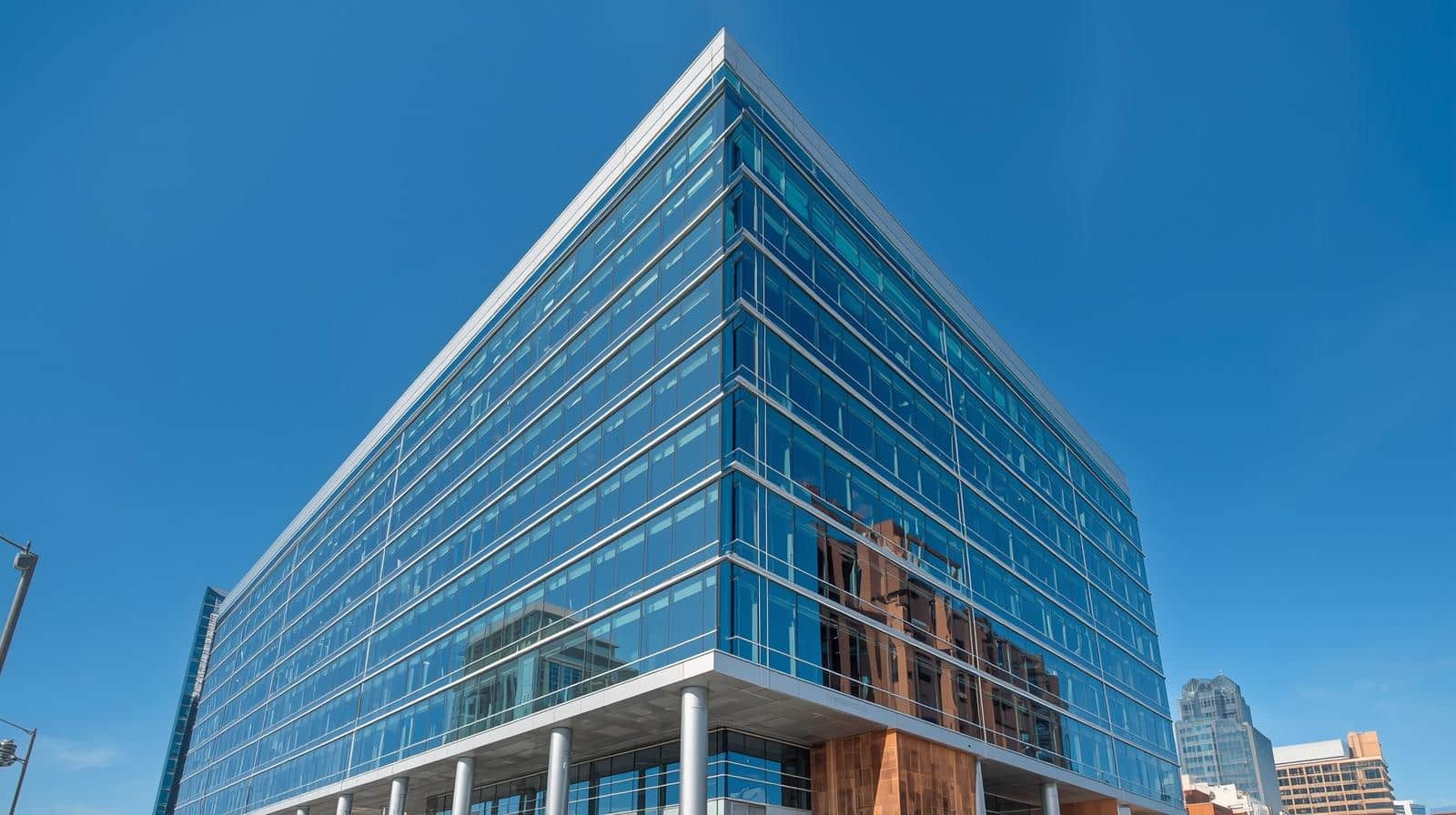

Commercial lease costs are the full price of occupying a space, not just the rent number printed on a listing. That difference catches businesses all the time, especially when a polished office in Buckhead or a busy storefront in Cobb looks affordable until parking, CAM, build-out, and surprise add-ons start stacking up. If you want to compare spaces without getting fooled by the headline rate, you need to know what the deal really costs from day one through move-out.
What “commercial lease costs” actually means
Commercial lease costs mean every dollar tied to using a commercial space. That includes base rent, of course, but it also includes operating expenses, taxes, insurance, utilities, maintenance obligations, build-out costs, deposits, legal review, and the one-time charges that show up before you ever unlock the door.
Here’s the thing: the listing rate is usually just the opening scene. In commercial real estate, the full cost lives in the proposal, the expense schedule, the work letter, and the lease itself. A suite can look cheaper than the one next to it and still cost more over the term once the extras come into focus.
That matters because your business budget runs on actual cash leaving your account, not on a tidy per-square-foot number. If you only compare asking rents, you can end up choosing the wrong space for the right reasons.
Why the sticker price catches so many tenants off guard
A listing might show a relatively modest cost for that type of work per square foot, or a relatively modest cost for that type of work full service, or a relatively modest cost for that type of work NNN. Simple enough. But that rate often leaves out pass-through expenses, utility charges, reserved parking, after-hours HVAC, suite cleaning, telecom setup, and move-in costs.
That’s why commercial lease pricing can feel a little like booking a flight. The base fare gets your attention. The seat fee, bag fee, and change fee show up later. By the time you’re done, the “cheap” option wasn’t cheap at all.
In office buildings around Midtown or Perimeter, a tenant can fall in love with a nice lobby and a sharp suite finish-out, then find out the building charges separately for parking and extra cooling after 6 p.m. In retail centers, CAM and signage costs can quietly change the economics. In smaller industrial buildings, repair responsibility can become the real hidden cost.
The difference between rent and total occupancy cost
Rent is only one part of the picture. Total occupancy cost is everything your business pays to operate from that location, both month to month and over the full lease term.
Think of rent as the cover charge. Total occupancy cost is the full tab.
That distinction matters before you tour anything, because it changes how you compare options. A lower face rent with steep pass-throughs, weak TI support, and rising operating expenses may be worse than a higher quoted rent with fewer surprises. If your goal is to make a smart location decision, total occupancy cost is the number that deserves your attention.
How commercial lease rates are quoted
Commercial landlords and brokers usually quote rates in annual dollars per square foot. If you’re used to residential rent or a simple monthly payment, that can feel backward at first.
The market speaks one language. Your cash flow speaks another.
You need both. The quoted lease rate helps you compare listings in the market, but your monthly budget needs a real-world number that includes recurring extras and timing.
Price per square foot per year
The standard commercial quote is a yearly rate based on rentable square footage. If a space is quoted at a relatively modest repair total for that kind of fix per square foot and the suite is 2,000 rentable square feet, the annual base rent is a wide repair range that can reflect minor fixes versus major component work.
To get the monthly base rent, divide by 12. In that example, your monthly base rent is a monthly rate that depends on scope and local market conditions.
This sounds simple, but the catch is that the square footage used for pricing is often rentable, not usable. That means you may be paying for more square footage than you physically occupy, which matters a lot when comparing deals.
Monthly rent vs. annual rent
Commercial pricing is usually annualized because that’s how the market compares buildings. Your business still pays monthly, and that’s where decision-making gets more practical.
If a landlord quotes a lump-sum quoted amount per square foot on 3,500 rentable square feet, that means a monthly rate that depends on scope and local market conditions per year. Monthly, that’s a monthly rate that depends on scope and local market conditions in base rent before any extras. If the same space also carries a monthly rate that depends on scope and local market conditions per square foot in operating expenses, another a monthly rate that depends on scope and local market conditions per year gets added, or a monthly rate that depends on scope and local market conditions per month. Suddenly the “a monthly rate that depends on scope and local market conditions” listing behaves like a monthly rate that depends on scope and local market conditions monthly occupancy commitment.
That’s why annual rates are useful for market shopping, but monthly total cost is what actually tells you if the space works.
Gross, net, and effective rent
Gross rent usually means some operating costs are included in the stated rate. In a full-service office lease, that often covers a portion of taxes, insurance, common area maintenance, and standard building services. It does not always mean everything is included.
Net rent means the base rent sits on top of additional charges. In a net lease, you may pay rent plus taxes, insurance, and maintenance costs separately. That lower base rate can look attractive at first glance, but the total number is what matters.
Effective rent is the average cost after concessions are factored in. If you get two months of free rent on a five-year deal, your effective rate may be lower than the face rent shown in the lease. But free rent does not erase other costs, and it definitely does not make a weak lease structure a good one.
The square footage trick: usable vs. rentable space
One of the oldest surprises in commercial leasing is that the square footage you pay for is not always the square footage you actually use. This is normal in the market, but it still throws people off because the difference can be meaningful.
Usable square footage
Usable square footage is the space inside your suite that your business directly occupies. If you walk the interior of your office, showroom, clinic, or warehouse office area, that’s the space you actually control and use day to day.
This is the practical space where desks go, shelves sit, clients wait, and staff work. It’s the space your business feels.
Rentable square footage and load factor
Rentable square footage includes your usable square footage plus a share of common areas in the building. That shared portion is often called the load factor or add-on factor.
If your office suite has 2,500 usable square feet and the building applies a 15 percent load factor, your rentable square footage becomes 2,875. Your rent is based on 2,875, not 2,500.
Why? Because you also benefit from lobbies, hallways, restrooms, elevators, and shared amenity areas. That’s the logic, at least. In practice, it means two spaces that feel similar can carry very different rent math depending on building efficiency.
Why two similar spaces can produce very different rent numbers
A building with a high load factor can make a suite look more expensive than expected once the rentable number is applied. Another building may quote a slightly higher rate but have a lower load factor, which can make the total cost more favorable.
This is why a side-by-side comparison based only on asking rate can mislead you. A smaller-feeling suite with an aggressive add-on factor can cost more than a larger-feeling one in a more efficient building. If you want an apples-to-apples comparison, compare both total annual cost and cost per usable square foot.
The main types of commercial leases and how each shifts your costs
Lease structure matters because it determines which costs stay with the landlord and which move onto your shoulders. A deal is not just about how much space costs. It’s also about how risk gets divided over time.
Full-service gross lease
In a full-service gross lease, many building expenses are bundled into the quoted rent. This is common in multi-tenant office buildings. The landlord often covers taxes, insurance, common area maintenance, janitorial for common areas, and standard HVAC during normal operating hours.
But “full-service” is not a magic phrase. Electricity may be separately metered or capped. After-hours HVAC may cost extra. Expense increases above a base year may still be passed through. In-suite cleaning may be limited. So yes, it can be simpler, but it is not automatically all-inclusive.
Modified gross lease
A modified gross lease sits in the middle. Some costs are included in rent, and some are shared or separately billed. The exact split depends on the lease language.
This structure is common in smaller office and flex settings. You might pay base rent that includes taxes and insurance, but cover utilities directly. Or you might have janitorial included while paying a share of maintenance increases. The catch is that “modified gross” describes a concept, not a standard package. The details can vary a lot.
Net lease
A net lease means the tenant pays base rent plus one or more categories of building expenses. That lower quoted base rent often creates the illusion of a cheaper deal, but the separate charges can move around and rise over time.
When you hear “net,” assume there is more math behind the quote.
Single net (n) lease
In a single net lease, you usually pay base rent plus property taxes. Other major expenses may remain with the landlord.
This structure is less common than double net or triple net, but it still shows up. The main point is that even one expense pass-through can materially change the true monthly cost, especially if taxes increase after reassessment.
Double net (NN) lease
A double net lease adds another category. You typically pay base rent plus property taxes and building insurance.
That means your occupancy cost becomes more sensitive to tax changes and insurance market swings. If premiums rise, your share can rise too.
Triple net (NNN) lease
A triple net lease usually means you pay base rent plus property taxes, building insurance, and common area maintenance. This is one of the biggest sources of surprise costs in office, retail, and industrial deals.
NNN leases are common because they separate the landlord’s ownership return from the building’s operating costs. For you, that means a lower base number on the flyer and a more complicated real payment in practice. If CAM, taxes, or insurance rise, your monthly cost rises with them.
Absolute NNN lease
An absolute NNN lease pushes nearly all property costs and responsibilities onto you. Depending on the building and lease, that can include major repairs, structural issues, roof problems, and full maintenance obligations.
This is much more common in single-tenant properties. The simplicity of controlling the whole site can be appealing, but so is a surprise roof bill to absolutely nobody.
Percentage lease
A percentage lease is common in retail. You pay base rent, and once sales pass a certain breakpoint, you also pay a percentage of gross sales.
A low base rent under a percentage lease can sound great, especially in a strong center. But if your business performs well, total occupancy cost rises with success. That may be perfectly fair in the right setup, but it needs to be modeled ahead of time.
The core charges You’ll see on most commercial leases
Most commercial lease costs fall into a handful of recurring categories. If you can identify these buckets early, you’ll ask better questions and avoid getting attached to a space before the economics are clear.
Base rent
Base rent is the starting charge for the space before extras are added. It is the clean number most listings advertise.
That said, base rent is rarely the number your business actually pays each month. It is the foundation, not the finish line.
Additional rent
Additional rent is a catch-all lease term for charges beyond base rent. This often includes CAM, tax reimbursements, insurance reimbursements, utility charges, and other pass-throughs.
The phrase matters because once something is defined as additional rent in the lease, failure to pay it can trigger the same remedies as failure to pay base rent. In other words, these are not optional side charges. They are part of the core payment obligation.
Operating expenses
Operating expenses cover the day-to-day cost of running the property. That can include maintenance, management, landscaping, common area janitorial service, security, elevator service, parking lot upkeep, and repairs to shared systems.
In a multi-tenant office tower, this can be a large and evolving category. In a neighborhood center, it may include landscaping, lot lighting, and trash pickup. In an industrial park, it may include road maintenance and drainage work. Same concept, different flavor.
Property taxes
Property taxes can be billed directly or passed through in a lease structure. In net leases, tax changes often hit your monthly occupancy cost quickly.
Taxes also create budgeting risk because reassessments can move faster than your revenue. A building sale, new improvements, or market-wide valuation shifts can all affect this number.
Building insurance
Building insurance is the landlord’s insurance on the property itself. In many leases, you reimburse a share of that cost. This is separate from your own business insurance, which may include general liability, contents coverage, workers’ comp, or business interruption coverage depending on your operation.
It’s easy to miss this distinction. The landlord insures the building. You insure your business inside it. Often, you pay toward both.
Common area maintenance (CAM)
CAM stands for common area maintenance. In plain English, it covers shared parts of the property and the cost of keeping them functional and presentable.
That can include lobby cleaning, elevator maintenance, parking lot striping, landscaping, exterior lighting, sidewalk upkeep, trash service, security patrols, and management overhead tied to common areas. In retail, CAM is often one of the most watched charges because it can swing more than tenants expect.
The hidden fees that catch tenants most often
This is where most commercial lease surprises live. Not in the headline rent, but in the side charges, carve-outs, reconciliations, and responsibilities that appear late or get buried in legal language.
CAM reconciliation and year-end true-ups
CAM is often billed monthly as an estimate. At year-end, actual expenses are compared against what you paid. If actual costs were higher, you owe the difference. That bill is the reconciliation, sometimes called a true-up.
This is one of the most common budget surprises in commercial leasing. Your monthly statement may look stable for most of the year, then a catch-up invoice lands months later. If snow removal, insurance, repairs, landscaping, security, or management costs ran higher than projected, your share rises too.
A rough estimate is not protection. It is just an estimate.
Management and administrative fees
Many landlords charge management or administrative fees as part of operating expenses or CAM. Sometimes this is a clear percentage. Sometimes it is buried in a broader expense pool.
The amount may not seem huge on paper, but over several years it adds up. More importantly, it can be one of the easier areas for operating costs to swell without much day-to-day visibility from your side.
Utilities that are not included
Utilities can be separately metered, submetered, or prorated across tenants. Electricity, water, sewer, gas, trash, and internet are all candidates for separate billing.
A full-service office suite may include standard electricity but not server-heavy usage or supplemental cooling. A retail suite may have direct utility accounts but still share trash or grease handling charges. An industrial space may require meaningful power upgrades before your equipment can even run.
If the proposal says “utilities not included,” that line deserves more attention than most people give it.
After-hours HVAC charges
Many office buildings include HVAC only during standard operating hours. If your team works late, comes in on weekends, or needs special climate control for equipment, you may pay extra.
That charge can be hourly, by zone, or by request. In some buildings, it’s modest. In others, it becomes a recurring nuisance that quietly changes how usable the space is for your business.
This is especially worth flagging if your operation stretches beyond the classic 8-to-5 office rhythm.
Parking fees
Parking is a major cost driver in dense office submarkets and structured parking buildings. You may face monthly reserved parking charges, garage access fees, visitor parking restrictions, validation costs, or limited parking ratios that force additional offsite solutions.
In areas like Buckhead and Midtown, parking can materially change the cost of an office lease. A polished suite with a manageable rent number can turn expensive fast if every employee space and guest validation carries a fee.
Parking also affects operations. If your team or customers struggle to park, the problem is not just financial. It’s functional.
Janitorial and cleaning scope gaps
“Janitorial included” sounds comforting until you learn it covers only common areas. Or only nightly trash removal. Or only basic vacuuming in your suite, not consumables, deep cleaning, glass, special waste, or post-construction cleanup.
Cleaning scope gaps matter more than they sound like they should. In medical, salon, food, fitness, and high-traffic customer uses, cleaning needs can be more intense and more expensive than a basic office assumption.
A small wording gap here can create a very real monthly bill.
Repairs and maintenance responsibilities
Repair language can make or break the economics of a lease. The lease should clearly address doors, locks, glass, plumbing lines, electrical systems, lighting, HVAC units, roof leaks tied to your use, and interior wear and tear.
In some smaller office, retail, and industrial properties, you may carry direct responsibility for the HVAC serving your suite. That means routine service, emergency repair, and replacement risk can shift to you. One old rooftop unit can undo a lot of “savings” from lower base rent.
This is one of the areas where vague wording becomes expensive fastest.
Signage and directory fees
Retail and office tenants often assume signage is part of the deal. Sometimes it is not. Monument signs, storefront signs, building directory listings, design review costs, permit fees, fabrication, and installation may all be separate.
And then there’s timing. If sign approvals drag, your opening can drag too.
For visibility-driven businesses, signage is not cosmetic. It’s part of the economics.
Security deposits, letters of credit, and personal guarantees
Not every cost shows up as rent. Security deposits tie up cash. Letters of credit tie up banking capacity. Personal guarantees extend risk beyond the company itself.
These are easy to mentally file under “just paperwork,” but they affect liquidity and exposure. A larger deposit or tougher guarantee package can make a seemingly fine lease feel much heavier.
Legal review and document fees
You should expect legal review costs for your own counsel, and some landlords also charge lease prep or document fees. Those amounts may not be huge compared with rent, but they belong in your budget.
A commercial lease is not the place to save a few thousand dollars by skipping review and then pay for a bad clause for five years.
Holdover rent penalties
If your business stays in the space past the lease expiration date without a new agreement, holdover rent usually kicks in. This is often priced at 125 percent, 150 percent, or even 200 percent of the prior rent.
Even a short delay in moving out can get expensive. If your next space is delayed, construction slips, or your renewal talks drag, holdover clauses turn timing problems into cash problems.
Upfront costs before you ever open the door
Most businesses focus on monthly occupancy cost first. Fair enough. But the first wave of cash often hits before the business is fully operating in the new space, and that timing matters.
First Month’s rent and deposits
At signing or before possession, you may owe the first month’s rent, a security deposit, and possibly the last month’s rent depending on the deal structure and credit profile.
Even when deposit requirements are reasonable, they still reduce available cash during a period when you are also paying for setup, moving, and downtime.
Tenant improvement costs
Tenant improvement costs are the dollars needed to make the space usable for your business. That can mean paint, flooring, walls, plumbing, electrical changes, lighting, millwork, restrooms, doors, upgraded HVAC, or accessibility updates.
This is one of the biggest budget gaps in leasing because many businesses underestimate construction pricing. Cosmetic updates are one thing. Reworking a layout, adding sinks, moving power, or upgrading ventilation is another world entirely.
Furniture, fixtures, and equipment
Desks, chairs, shelving, warehouse racking, reception furniture, display fixtures, point-of-sale hardware, breakroom appliances, and conference room equipment all count.
If your last space was plug-and-play and your next one is not, this category grows fast. It also tends to arrive in bursts, which can pressure cash flow even if the total project budget looked manageable on paper.
Cabling, internet, and IT setup
Low-voltage cabling, internet installation, routers, phones, access control, security systems, Wi-Fi hardware, and conference room tech are easy to underestimate.
A nice suite without sufficient cabling is like a new apartment without outlets in the right spots. Technically usable, practically frustrating. If internet service requires special construction or building approvals, setup costs and lead times can both rise.
Permits, licenses, and inspections
Depending on your use, you may need permits, fire inspections, health department approvals, business licenses, alarm permits, signage permits, and a certificate of occupancy before opening.
These costs vary by municipality and use type, but the bigger issue is timing. Permits can delay opening, and delayed opening has a cost all its own.
Moving costs and downtime
Movers, IT reconnection, storage, temporary staffing disruption, setup delays, and overlap rent between old and new locations all belong in the real cost of a move.
Downtime is easy to ignore because it does not always appear as an invoice. But if your team loses productivity for a week or your customers can’t find you during a transition, that’s part of the move cost too.
Build-out money: tenant improvements, allowances, and the catch behind “free” dollars
Tenant improvement money is one of the most misunderstood parts of commercial leasing. The phrase sounds generous. Sometimes it is. Sometimes it just shifts cost from one pocket to another over time.
What a tenant improvement allowance is
A tenant improvement allowance, often called a TI allowance, is the landlord’s contribution toward building out or modifying the space.
It may be quoted as a dollar amount per square foot or as a total project allowance. Either way, it is supposed to help cover the cost of making the space fit your use.
What TI usually covers and what it Doesn’t
TI money often covers demolition, framing, drywall, paint, flooring, standard electrical work, lighting, and HVAC modifications that are part of the approved construction scope. But not always every category.
Furniture, fixtures, IT cabling, security systems, design fees, permitting, specialty plumbing, kitchen equipment, branding elements, and moving costs are often excluded. If your business needs a lot of non-standard improvements, the allowance may look healthy while still leaving a sizable gap.
This is where line-item budgeting matters. “Tenant gets a relatively modest cost for that type of work per square foot” is not enough information by itself.
Turnkey build-out vs. allowance structure
In a turnkey build-out, the landlord agrees to deliver the space completed to an agreed scope. In an allowance structure, you receive a defined dollar contribution and cover overages yourself.
Turnkey sounds simpler, and often it is, but the paperwork still matters. You need a clear scope, quality standard, timeline, approval process, and responsibility map. Otherwise “turnkey” can become a debate about what was actually included.
With an allowance structure, the risk of overage is easier to spot because it’s yours from the start. With turnkey, the risk often hides in ambiguity.
When TI money gets repaid through rent
Landlords do not hand out TI dollars out of pure generosity. If a deal includes a strong improvement package, the cost may come back through higher rent, a longer lease term, reduced flexibility, or fewer free-rent concessions.
That does not mean you should avoid TI. It means you should treat it like financing, not like free money. If the landlord spends more upfront, the deal often recovers that value somewhere else.
Escalations: why your rent rarely stays flat
The first-year number is only the beginning. Most commercial leases include built-in increases, and those increases can materially affect the full-term cost.
Fixed annual increases
Some leases have fixed annual bumps, often 2 percent to 3 percent, or a set dollar amount increase each year.
These are predictable, which is the good part. But even predictable increases change the economics over a five-year or seven-year term. A deal that feels manageable in year one may feel tighter later, especially if revenue does not rise as fast.
CPI-based escalations
Other leases tie increases to the Consumer Price Index. That means rent growth tracks inflation according to a specified formula.
CPI-based escalations can be fair in concept, but harder to forecast. If inflation runs hot, your occupancy cost can rise faster than expected. Some leases include floors or caps. Some do not. That detail matters.
Expense increases and base years
In many full-service office leases, the landlord includes operating expenses up to a base year amount, often the actual expenses incurred in the first year of your term. After that, you pay your share of increases above that base year.
This is one reason “full-service” does not mean “flat forever.” If taxes, insurance, janitorial contracts, utilities, or maintenance costs rise after the base year, your rent bill can rise too through expense pass-throughs.
Renewal option pricing
Renewal options can be priced a few different ways. The rent may be preset, tied to fair market value, or calculated through a formula.
Fair market value sounds reasonable, but if the method is vague or the notice deadlines are strict, the renewal can become a stressful negotiation. A weak renewal clause can also force an expensive move if market rents rise sharply and you have little leverage left.
Retail, office, and industrial spaces get expensive in different ways
The hidden costs in a lease depend a lot on the property type. A charge that barely matters in a warehouse can be a huge issue in an office tower, and vice versa.
Office lease costs to watch
Office tenants should pay close attention to parking, load factor, after-hours HVAC, janitorial scope, access control systems, conference center use fees, and common-area charges.
A Class A office suite can look clean and predictable because many expenses are packaged into a full-service format. The catch is that convenience-driven extras often sit outside the package. If your team works long hours, hosts visitors daily, or needs several reserved spaces, those costs become part of the core economics.
Retail lease costs to watch
Retail tenants need to watch CAM, signage costs, utility demand, storefront maintenance, co-tenancy issues, required hours of operation, and percentage rent where applicable.
Retail also carries more exposure to property presentation. If the center boosts landscaping, security, or parking lot work, CAM may rise. If your sign package needs landlord approval and city permits, opening costs climb. And if your success rent formula is tied to sales, a “good problem” still affects margins.
Industrial lease costs to watch
Industrial tenants should focus on dock equipment, power capacity, lighting, trailer parking, outside storage restrictions, paving and yard maintenance, roof and HVAC responsibility, and repair obligations tied to office build-outs inside the warehouse.
A basic warehouse quote can seem refreshingly low. But if your business needs heavy power, dock upgrades, racking permits, fenced outside storage, or office HVAC repair, the real cost can move quickly.
Location changes the math more than most tenants expect
Location changes more than asking rent. It changes parking economics, operating expenses, access, labor convenience, customer behavior, and how much build-out or image investment the space needs.
Submarket differences across greater atlanta
In greater Atlanta, the same business can face very different occupancy structures depending on where it lands. Buckhead and Midtown often bring higher parking costs, larger load factors in taller office buildings, and more structured-service charges. Cumberland and Perimeter may offer a different balance of access, pricing, and parking setup. Alpharetta can shift the equation again, especially for office users weighing commute patterns and campus-style buildings.
Industrial corridors near I-285 or the airport can look efficient on paper, and often are, but access to docks, truck circulation, trailer parking, and outside storage rules may become the make-or-break details. In suburban retail corridors, visibility and ingress can justify higher occupancy cost, but only if the customer flow actually supports your use.
A cheaper submarket that hurts staffing, customer convenience, or logistics is not automatically the better deal.
Building class and amenities
Building class changes both the quote and the way costs are packaged. Class A buildings often charge higher rents and may also carry structured parking, stronger amenity packages, access systems, and higher operating expense assumptions. Class B buildings may offer better economics with fewer bells and whistles. Class C buildings can reduce rent but may increase risk around maintenance, efficiency, or image.
Amenities have a price, whether visible or hidden. Fitness centers, conference suites, upgraded lobbies, security desks, and lounge areas all affect the operating cost structure somewhere.
Access, visibility, and traffic
Great interstate access, strong storefront visibility, loading convenience, and customer-friendly traffic patterns often cost more. Sometimes that premium is worth every dollar. Sometimes it is just expensive friction dressed up as location quality.
The trick is to connect location cost to business function. If a high-visibility corner drives more sales, the extra rent may pay for itself. If an office near key clients helps hiring and retention, the premium may be justified. But if your use does not benefit from those advantages, paying for them is just paying extra.
How to calculate your true commercial lease cost
Once you know the moving parts, the math gets much easier. The goal is not perfection. The goal is to compare spaces using the same framework so one proposal does not look better just because it hides more detail.
Start with the base rent
Take the quoted annual rate and multiply it by the rentable square footage. Then divide by 12 to get monthly base rent.
If the space is 4,000 rentable square feet at a monthly rate that depends on scope and local market conditions per square foot, your annual base rent is a monthly rate that depends on scope and local market conditions. Monthly base rent is a monthly rate that depends on scope and local market conditions.
That gives you the starting point, nothing more.
Add every pass-through and variable expense
Next, add estimated CAM, taxes, insurance, utilities, parking, janitorial, after-hours HVAC, trash, and any recurring service charges that apply.
This is where two “similar” deals often separate. One proposal may include several of these costs inside the rent structure. Another may push them out as separate charges. If you do not line them up carefully, the lower quoted rate can win for the wrong reason.
Include upfront and one-time costs
Then add deposits, legal fees, permit costs, moving expenses, IT setup, signage, furniture, and any build-out shortfall not covered by the landlord.
One-time costs do not vanish just because they are not recurring. If one deal needs typical one-time cleaning pricing based on condition and access in upfront spend and another needs a monthly rate that depends on scope and local market conditions that difference matters even if the monthly rent is slightly lower on the first one.
Model rent growth across the full lease term
Project annual rent increases, operating expense growth, and any renewal assumptions that are reasonably known.
A five-year lease with modest base rent and aggressive annual increases can cost more than a cleaner, flatter deal with a slightly higher year-one number. Commercial leasing rewards patience in the math.
Compare cost per usable square foot, not just quoted rate
Finally, compare what each option costs per usable square foot, not just per rentable square foot. This helps normalize building efficiency and gives you a more practical measure of value.
A suite with a low quote and poor efficiency may be more expensive than it looks. A suite with a stronger asking rate and lower load factor may actually deliver better economics and better usability.
A simple lease comparison worksheet
A comparison worksheet does not need to be fancy. It just needs to force every proposal into the same boxes so nothing sneaks through the cracks.
Monthly cost snapshot
For each space, line up monthly base rent, CAM, taxes, insurance, electricity, water, trash, parking, janitorial, internet, after-hours HVAC, and any recurring building fees.
This simple side-by-side view does something powerful: it turns vague proposals into comparable operating numbers. Once that happens, weak deals become much easier to spot.
Total first-year cash needed
Then total the cash required to get open. Include deposit, first month’s rent, last month if required, TI overage, furniture, fixtures, permits, legal review, signage, IT setup, and moving costs.
Some spaces are easier to carry month to month but brutal upfront. Others ask for less initial cash and become easier to launch. If cash flow matters, and it usually does, this line deserves real weight.
Total cost over the full term
Add up the expected total cost over three, five, or seven years depending on the proposed term. Include escalations and reasonable expense-growth assumptions.
This is where “free rent” and low face rates stop looking magical and start behaving like the real deals they are. You see the whole movie instead of the best scene.
Common lease clauses that quietly increase your costs
Sometimes the surprise is not in the proposal at all. It’s in the wording. A lease can look acceptable at the summary level and still contain clauses that expand your cost exposure later.
Gross-up clauses
A gross-up clause lets the landlord adjust certain operating expenses as if the building were more fully occupied. The idea is to normalize variable expenses, such as utilities or janitorial service, so tenants do not get an artificially low base-year benchmark during a low-occupancy period.
In practice, this can increase the amount used to calculate your expense obligations. The concept is not inherently unfair, but the method matters. If the clause is broad or poorly defined, your share can rise more than expected.
Capital expenditure pass-throughs
Some leases allow the landlord to pass through certain capital expenditures, especially if the improvements reduce operating costs or are required by law.
The key questions are which capital items qualify, how costs are amortized, and whether financing charges get included. Passing through the full cost of a major building upgrade in one year is very different from spreading an eligible efficiency project over time.
This clause deserves close attention because capital projects are where ownership costs can drift toward tenant costs.
Audit rights and expense backup
Audit rights give you the ability to review expense reconciliations and supporting records. Without them, you are largely trusting the bill as presented.
That may work fine in a transparent building with clean reporting. It is less comforting when CAM spikes and no backup follows. Clear audit rights, along with access to invoices or summary support, make it easier to catch errors and challenge costs that do not belong.
Expense stops and base-year exclusions
Expense stops and base-year clauses determine how much of operating cost inflation stays with the landlord and how much moves to you.
This is where “included” costs can still rise meaningfully over time. If the base year is set during an unusually low operating year, your future increases may start from a deceptively low baseline. If major expenses are excluded from the stop calculation, the protection may be weaker than it sounds.
Restoration obligations at move-out
Some leases require you to remove improvements, patch damage, cap plumbing, take down signs, or restore the space to a prior condition when you leave.
That can be a real cost, especially if you installed custom walls, special wiring, additional sinks, or branded fixtures. Move-out obligations often get ignored because they feel far away at signing. Then the lease ends, and the bill arrives right when you are already paying for the next location.
What landlords usually expect you to negotiate
Not every lease term is equally flexible, but many are more negotiable than first-time tenants assume. The trick is to focus on the terms that actually affect total occupancy cost, not just the face rent.
Base rent is only one lever
Base rent gets most of the attention, but free rent, TI allowance, parking concessions, expense caps, moving allowances, signage rights, and repair limits can matter just as much.
A deal with a slightly higher base rent and stronger concessions can outperform a lower-rent proposal with weak economics elsewhere. If you only negotiate the asking rate, you may leave easier wins on the table.
Ask for caps on controllable CAM costs
Controllable CAM costs often include management, maintenance, landscaping, janitorial contracts, and similar operating items that can vary based on spending choices. Asking for a cap on annual increases can reduce your exposure to sudden spikes.
Caps do not solve everything. Taxes, insurance, and utilities are often excluded. But for the costs that can be managed, a cap creates budgeting stability and limits unpleasant surprises.
Push for clear repair language
You want repair obligations described in plain terms, not vague categories. HVAC, plumbing, roof, structure, shared systems, electrical service, storefront glass, doors, and drainage should all be addressed clearly.
If a rooftop unit fails, the lease should make it obvious who pays. If plumbing inside the wall leaks, same thing. Ambiguity in repair clauses is expensive because it only gets tested when something breaks.
Negotiate better expansion, renewal, and exit terms
Expansion options, renewal options, assignment rights, sublease flexibility, and termination language can all affect future cost. A lease that gives you room to stay, grow, or exit cleanly can save far more than an extra rent concession up front.
Moving is expensive. Being trapped in bad space is expensive too. Flexibility has economic value.
Get the operating expense history
Ask for prior years’ operating expense figures and reconciliation history before relying on estimates. Actuals tell you whether the current quote is grounded in reality.
If a building has a pattern of underestimating CAM and billing large true-ups later, you want to know that before signing. Transparency is not a bonus here. It’s a screening tool.
Red flags that suggest the space will cost more than it looks
Some deals wave a little flag before the hidden costs hit. You just need to notice it early enough.
The quote is vague about What’s included
If the proposal does not clearly state whether taxes, insurance, CAM, utilities, janitorial, and parking are included or excluded, assume more explanation is needed.
Vagueness usually helps the party holding the paper. A good quote should break down the major cost categories clearly enough that you can build a real budget from it.
The building has deferred maintenance
A worn parking lot, aging HVAC units, stained ceiling tiles, failing exterior lighting, or neglected common areas are not just cosmetic issues. They can signal future repairs, service interruptions, or rising pass-through expenses.
Deferred maintenance also creates operational risk. If the building feels tired during the tour, the expense story may catch up later.
The TI allowance sounds generous but the scope is thin
A large TI allowance can distract from the fact that construction costs are high, landlord standards are strict, or major categories are excluded.
If the allowance sounds generous but the build-out list is vague, slow down. You need to know what work is actually required to open and what portion of that work the allowance truly covers.
Nobody will share actual expense reconciliations
If actual operating expense history is hard to get, budgeting gets riskier. That does not automatically mean something is wrong, but it does mean you are being asked to trust estimates without seeing the track record behind them.
When cost transparency stays foggy, caution should go up.
Questions to ask before you sign
A few direct questions can surface most of the expensive surprises before lease drafting gets too far. The goal is simple: turn assumptions into written answers.
What exactly is included in the quoted rent?
Ask for a written breakdown showing base rent, estimated CAM, taxes, insurance, utilities, janitorial, parking, and any other recurring or one-time charges.
If the quote cannot be broken down clearly, you do not have enough information to compare it fairly.
What were the last two years of actual operating expenses?
Actual history tells you more than a polished estimate. It helps you see if current assumptions are realistic or padded, and whether reconciliations have tended to swing hard.
Two years is not perfect, but it gives you a much better starting point than a summary phrase like “estimated pass-throughs.”
Who pays for HVAC, plumbing, electrical, and glass repairs?
Get these responsibilities identified before legal drafting starts. If repair responsibility is left fuzzy, it often gets filled in later in the landlord’s favor.
The same goes for maintenance contracts, preventive service obligations, and replacement costs.
How is parking handled and what does it cost?
Ask about reserved spaces, unreserved spaces, visitor parking, garage rights, validation programs, and parking ratio limits. For office users in tighter submarkets, this can materially alter the economics.
Parking should be treated like rent. If it’s recurring and necessary, it belongs in the real budget.
What build-out is included, and what happens if costs run over?
Ask for the approved scope, the allowance amount, excluded items, timing, contractor process, and who pays overages.
“Allowance included” is not enough. The paperwork should show how the dollars actually work.
What happens at renewal or move-out?
Renewal rent formulas, notice deadlines, holdover rates, and restoration obligations deserve attention before the lease is signed, not three years later.
Future costs often hide in the last pages of the lease. That does not make them less real.
Atlanta-area leasing scenarios: how hidden costs show up in real searches
Commercial lease costs are easiest to understand when you picture how they play out in actual Atlanta-area searches. The hidden charges vary by product type, location, and building style.
A small office search in buckhead or midtown
You find a polished office with a strong lobby, good natural light, and a quoted full-service rate that seems within budget. Then the numbers get more honest.
The building applies a meaningful load factor, so your rentable square footage is higher than the suite feels. Parking is charged separately for each reserved space. Visitor parking is limited. HVAC after standard hours costs extra, which matters because your team regularly stays late. Suddenly the space did not get worse, but the deal got clearer.
That’s a common story in dense office submarkets. The listing rent gets you in the door. The support costs decide whether you stay interested.
A retail search in a busy suburban center
A retail endcap in a strong suburban center may show a manageable base rate, especially if the landlord wants the space leased quickly. But then CAM enters the picture, along with signage costs, storefront requirements, utility load considerations, and maybe a percentage rent clause.
If the center has active management, nice landscaping, and strong traffic flow, those CAM charges may be justified. But they still belong in the budget. If co-tenancy terms or required business hours affect your operation, that matters too. A visible spot can be worth paying for, but only when the real occupancy cost still supports the business model.
A flex or warehouse search near I-285 or the airport
A warehouse or flex space near I-285 or the airport may present a low base number compared with office product. That can be genuinely attractive. But the hidden cost list just changes shape.
You may need electrical upgrades, additional dock equipment, trailer parking rights, yard access, office HVAC service, or permission for outside storage. Repair language may place more burden on your side than expected. If the building is older, deferred maintenance can turn into operating risk fast.
Industrial space often looks simpler than it is. The quote may be low, but utility and maintenance assumptions can do a lot of heavy lifting.
Common misconceptions about commercial lease costs
A few repeated assumptions cause more leasing mistakes than almost anything else. Most of them come from taking a familiar-sounding term too literally.
“NNN just means the rent is lower”
No. NNN usually means the base rent is lower because other expenses are billed separately. That does not make the space cheaper. It just changes where the costs show up.
If taxes rise, insurance jumps, or CAM runs above estimate, your occupancy cost rises with it. Lower base rent and lower total cost are not the same thing.
“Full-service means everything is included”
Also no. Full-service usually means many building costs are included in the rent structure, often subject to base-year adjustments, exclusions, and special charges.
Electricity may be limited. After-hours HVAC may be extra. In-suite cleaning may be narrower than you expect. Expense increases may still pass through. “Full-service” is better treated as a category, not a promise.
“The quoted square footage is the space you get”
Not always. Quoted square footage is often rentable square footage, which includes your share of common areas. Your usable square footage may be materially smaller.
If you compare one space by how it feels and another by what the flyer says, you can make a bad comparison without realizing it.
“Free rent means a cheaper deal”
Free rent can improve a deal. It does not automatically make a deal cheaper overall.
Landlords can offset concession packages through higher rates, longer terms, stronger personal guarantees, weaker TI support, or tighter renewal language. Free rent is one line in the math, not the whole answer.
How to keep commercial lease costs from catching you
The simplest rule is the one that saves the most money: never compare spaces by headline rent alone. Compare every proposal by total occupancy cost, including base rent, pass-throughs, one-time setup costs, and projected increases over the full term.
That one habit changes everything. A vague proposal starts looking incomplete instead of attractive. A lower rate stops winning automatically. A stronger deal becomes easier to spot, even if the listing looked less exciting at first.
Before you choose a space, get every proposal broken into four buckets: base rent, recurring pass-throughs, one-time costs, and future increases. That one step is usually enough to expose the fees that catch tenants later.
- Disclaimer: This article is for general informational purposes only. It is not professional advice, a quote, or a service agreement. Conditions at your home or property may differ; contact a qualified professional for an on-site evaluation before making repair, safety, or spending decisions.
Disclaimer: This article is for general informational purposes only. It is not professional advice, a quote, or a service agreement. Conditions at your home or property may differ; contact a qualified professional for an on-site evaluation before making repair, safety, or spending decisions.