Why priorities matter before you tour space
Georgia teams often arrive at commercial real estate conversations unsure which path fits: lease, buy, tenant representation, or sell. Square footage, rent quotes, and online listings do not answer that question. Capital posture, timeline, flexibility needs, and who should advocate for you in the market do. This priority quiz helps you weight those factors toward the path that usually matches your calendar—not as legal or tax advice, but as a briefing tool before tours or listing talks begin.
Swartz Co Commercial Real Estate supports owners and occupiers across Greater Atlanta and Georgia through our services. Use your result to start a focused conversation with your broker.
Question 1: How quickly do you need occupancy?
If you must be operating within a few months, leasing usually beats acquisition. Buying and building out on your timeline requires diligence, financing, and closing steps that rarely compress to the same pace as a well-negotiated lease on existing space. If your timeline is twelve months or longer, purchase may be worth modeling alongside lease options.
Question 2: How important is capital flexibility?
Leasing preserves capital for operations, inventory, and hiring. Buying trades liquidity for control, appreciation potential, and fixed occupancy costs over time. If retaining cash is essential for the next eighteen months, score toward lease or tenant representation to scan the market without committing acquisition capital early.
Question 3: Do you need someone representing you in the market?
Tenant representation fits teams running a broad search across submarkets who want a broker focused on the occupier's needs across the whole market. If you are already focused on one building listed by the owner’s broker, you may still benefit from your own representation to compare terms, TI, and alternatives you have not seen yet.
Question 4: Are you marketing an asset you already own?
If the goal is to sell or lease space you control, the sell or landlord path comes first. Marketing timing, pricing strategy, occupant access, and property condition during peak season all affect proceeds. Owners who confuse occupier search with disposition strategy often tour as buyers when they should be preparing a listing packet instead.
Question 5: What product type drives the search?
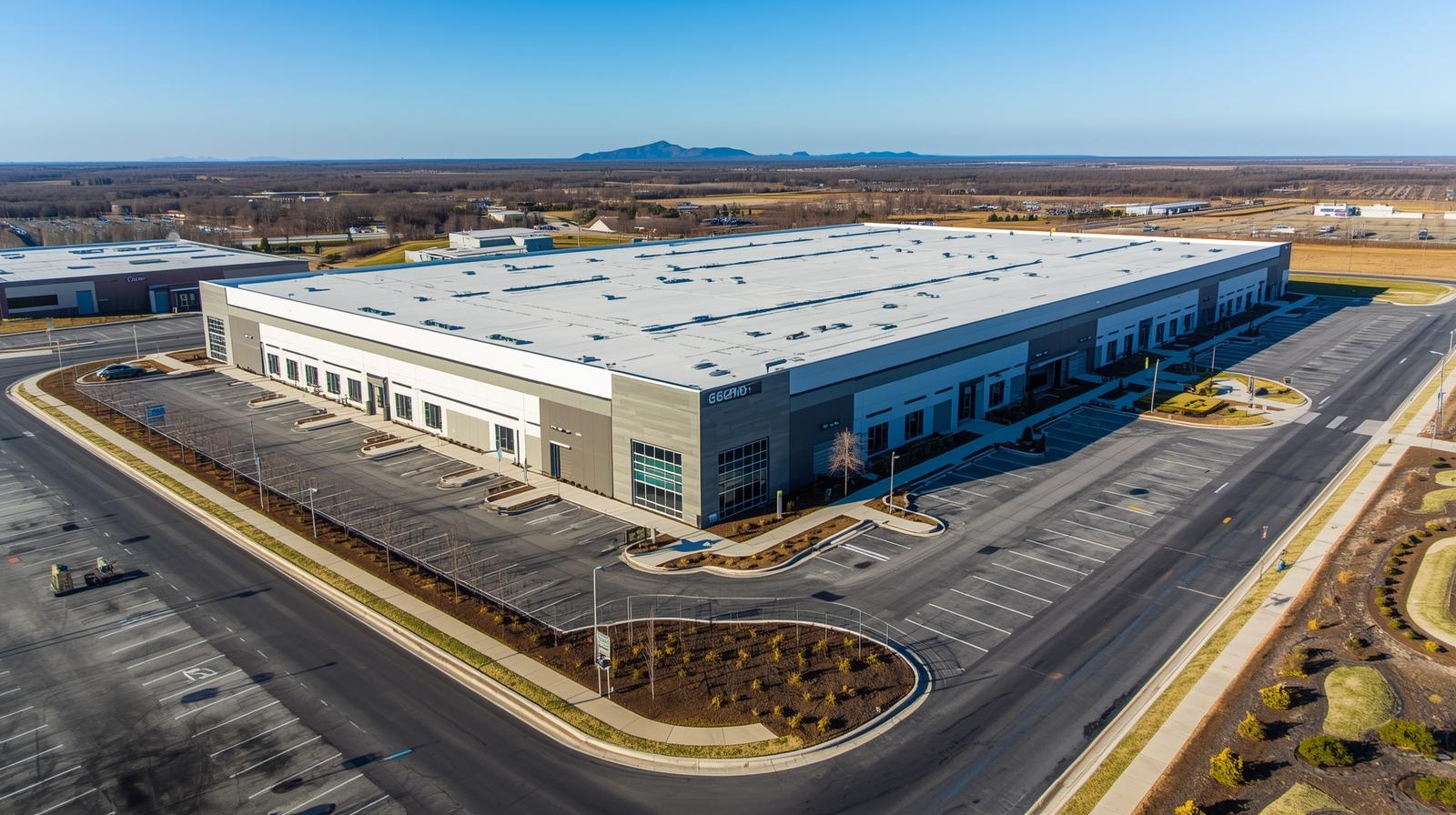
Industrial, office, retail, and flex decisions pull different comp sets and diligence paths. Warehouse requirements—clear height, power, yard, dock count—narrow submarkets quickly in Georgia. Office and retail add parking ratios, signage, and customer access patterns. Name the product before you name the address.
Scoring your result
Count which theme dominated your answers:
- Lease: Speed and flexibility matter most. Start with leasing resources and current listings.
- Buy: Control and long hold periods dominate. Review acquisition support under our services and tour with a disciplined site checklist.
- Tenant representation: You need market-wide advocacy. Explore tenant representation before you commit to a submarket.
- Sell or landlord marketing: You own the asset and need positioning, pricing, and tour protocol aligned to occupied or vacant marketing.
Most companies land on a blend—for example, lease now with a purchase option later. The point is to enter the market with one primary path so your broker sequences tours, comps, and negotiations efficiently.
Next step: brief your broker with clarity
Bring your quiz result, timeline, headcount plan, and any must-have building criteria to the first call. Clear priorities prevent repeat tours of properties that never fit your capital or operations story. Swartz Co works with Georgia buyers, tenants, and owners across industrial, office, retail, and flex product—so the next conversation starts with your path, not a generic listing dump.