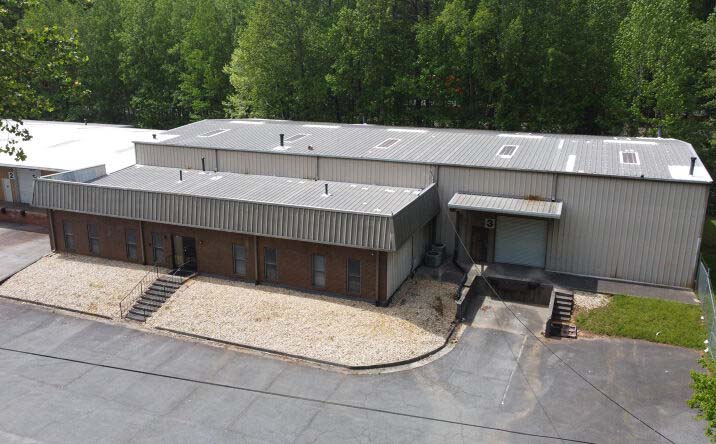

What "heat stride" means for commercial tours
Georgia walkthroughs change again once sustained heat reaches full operating stride—not the first hot week, but the stretch when every zone has been running hard for days and tenants have adjusted shifts, door discipline, and maintenance tickets to match. First tours under rising temperatures ask whether layout and dock count fit. Tours after weeks without relief ask how runtime already stretched operating budgets, whether yard pavement and open bay exposure still match the rent roll, and what symptoms repeat at the same time each afternoon.
This article frames walkthrough questions for buyers, owners, and broker teams at that stage. It is not engineering or legal advice. Swartz Co Commercial Real Estate supports acquisitions statewide. Pair this read with walkthrough questions during hot weeks when your team is still building the first tour list.
Operating endurance buyers should test on site
At heat stride, look for patterns that only appear after repeated load:
- Zones that lag setpoint between 2 p.m. and 5 p.m. on consecutive days
- Dock areas that stay humid even when doors are closed
- Yard pavement heat that affects truck waiting areas and exterior staff breaks
- Break rooms and restrooms showing higher use without matching janitorial schedules
- Lighting or exterior circuits that fail intermittently under extended evening shifts
Ask tenants or property management for work orders tied to the last two weeks of weather, not just the last two incidents. Patterns beat anecdotes when you are comparing multiple finalists.
Questions that go beyond first-tour fit
Layout fit is still relevant, but stride-stage tours add operating questions: Has any shift been shortened because of comfort complaints? Did inventory placement change to avoid hot zones? Are forklifts and battery charging schedules creating heat load the base building was not designed around? Office buildouts in mezzanines or front shells may run on separate units that were never tested at peak.
Request thermostat or BMS trends when available. Export or photograph dashboards before tour season compresses. A broker can help translate those logs into lease and capital questions without turning every walk into an open-ended engineering study.
Owner and seller preparation at peak stride
Owners marketing occupied assets should align facilities, leasing, and ownership on one plain-language summary: what was fixed, what is monitored, and what remains on a capital schedule. Contradictory answers between departments surface quickly when buyers tour at peak load.
Confirm vendor access windows, roof rules, and safety requirements before scheduling return visits. Specialists solve scoped questions faster than repeating full tours with the same general audience.
Turning stride-stage notes into a decision
Sort findings into three buckets: operating noise, deferred maintenance with a known remedy, and constraints on how the business actually runs. Only the third bucket should automatically change your timeline. Many stride-stage symptoms inform TI planning, rent negotiations, or post-close capex without killing the deal.
For buyer representation and tour strategy across Georgia, see tenant representation and our services. Review current listings and related guidance in yard drainage and condensate questions when site and mechanical stories overlap.