Finding an industrial broker sounds simple until you start comparing buildings that all look fine online and then fall apart on the details. In Atlanta, the right industrial broker can save you from wasted tours, weak lease terms, and a building that fights your operation every day.
Why the right industrial broker changes the whole deal
Industrial space is rarely just four walls and a roll-up door. Timing, truck access, power, parking, lease structure, and expansion room all matter, and one mismatch can get expensive fast. A good broker helps you avoid bad-fit space before it eats up your week.
That matters even more in greater Atlanta, where one option near Fulton Industrial can work beautifully for regional distribution, while a similar-looking building farther out can create daily headaches for labor, routes, or turnaround time.
The traits that actually matter in an industrial broker
Plenty of brokers can unlock a door and send listings. That is not the job that matters. The real value is judgment, local insight, negotiation skill, useful relationships, and the kind of follow-through that keeps details from slipping late in the deal.
Atlanta industrial market knowledge
Local knowledge is not a bonus. It is the point.
Your broker should know the difference between searching I-285, South Atlanta, Gwinnett, and Fulton Industrial. That means understanding rent levels, vacancy pressure, traffic flow, truck routes, and which submarkets actually fit your business instead of just fitting your square footage.
Industrial experience, not just general commercial experience
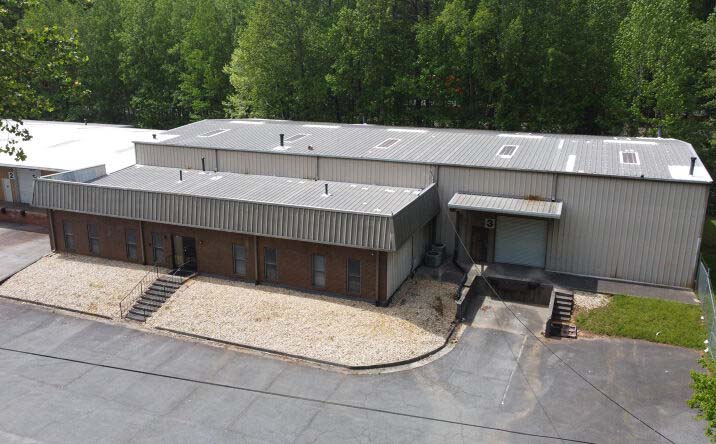
Office and retail experience does not automatically translate to industrial. You need somebody who understands clear height, meaning usable vertical space, dock doors for loading, trailer storage, and power capacity for equipment or production.
If your operation depends on shipping, manufacturing, or fleet movement, those details are not technical extras. They decide whether a building works.
Strong negotiation skills
Here is the thing: negotiation is where real money gets saved.
A strong broker pushes on rent, free rent, renewal options, tenant improvement dollars, and flexibility if your needs change. A good showing gets attention. A good negotiation changes the economics of the deal.
Professional integrity and financial stability
You also need responsiveness, honesty, and steady follow-through. Industrial deals can drag through tours, offers, inspections, and lease review. If communication gets sloppy early, it usually gets worse later.
What an industrial broker should help you do
A good broker should make your search sharper, faster, and less chaotic.
Save time by narrowing the field fast
Instead of spending a Tuesday driving from Norcross to Union City for spaces that were never going to work, you should get a short list built around your actual needs. Better filtering means fewer tours and better tours.
Get access to better opportunities
Some of the best options are not obvious on listing sites. Broker relationships can surface upcoming vacancies, off-market space, and landlord insight you would not hear on your own.
Coordinate the moving parts
Tours, offers, inspections, lease comments, landlord communication, and timeline management add up quickly. One steady point of contact keeps the process from turning into a group text with dropped details.
How to tell if a broker is a good fit for you
Credentials matter, but fit matters more.
Questions to ask before you hire anyone
Ask about recent Atlanta industrial deals, typical building sizes, landlord and tenant representation, communication style, and how negotiations get handled when a deal gets tense.
Green flags to notice early
Strong brokers ask smart questions about your operation, explain tradeoffs clearly, and give realistic advice without pressure or jargon.
Red flags that cost you later
Be careful with vague answers, slow follow-up, weak Atlanta knowledge, and anybody pushing space that clearly does not fit. Not every warehouse is basically the same.
Budget, fees, and the cost of choosing wrong
Broker fees are often built into the transaction, which can make representation feel free. The catch is that careless representation still costs you, just in quieter ways: wrong location, bad lease structure, too little power, or no room to grow.
Best broker traits by use case
Your priorities shift depending on the deal.
If You’re leasing space
Focus on speed, lease negotiation, flexibility, and day-to-day operational fit.
If You’re buying an industrial property
Prioritize pricing guidance, due diligence support, and long-term location value.
If You’re expanding or relocating in atlanta
Look for submarket strategy, labor access knowledge, transportation awareness, and a clear view of future growth.
One simple next step before you start touring properties
Before you tour anything, make a short must-have list: location, clear height, docks, power, yard, budget, timeline. Then use that list to interview brokers. It is the fastest way to spot who really understands your move, and who is just forwarding listings.
Disclaimer: This article is for general informational purposes only. It is not professional advice, a quote, or a service agreement. Conditions at your home or property may differ; contact a qualified professional for an on-site evaluation before making repair, safety, or spending decisions.