
Second meetings go smoother when your packet is organized before you walk in. This note is for Georgia owners and investors who want photos, rent roll summaries, and yard-use questions assembled before another tour week. It is not legal or engineering advice. Swartz Co Commercial Real Estate supports acquisitions across the state.
What a second-meeting packet actually carries
Think in three layers: the story you tell leadership, the facts the seller's side expects, and the photos that stop debates in the conference room.
The story layer is short. It states why the property is on the list, what must be true for you to proceed, and what would make you pass. The facts layer holds rent rolls, operating summaries, and key lease dates in plain language—not only in spreadsheets. The photo layer shows circulation, dock faces, yard screening, and anything the flyer glossed over.
When outdoor storage or yard screening matters, keep our note on outdoor storage for commercial properties beside your site photos. Yard questions belong in the same conversation as the building, not buried in a late appendix.
Why Georgia teams ask about circulation early
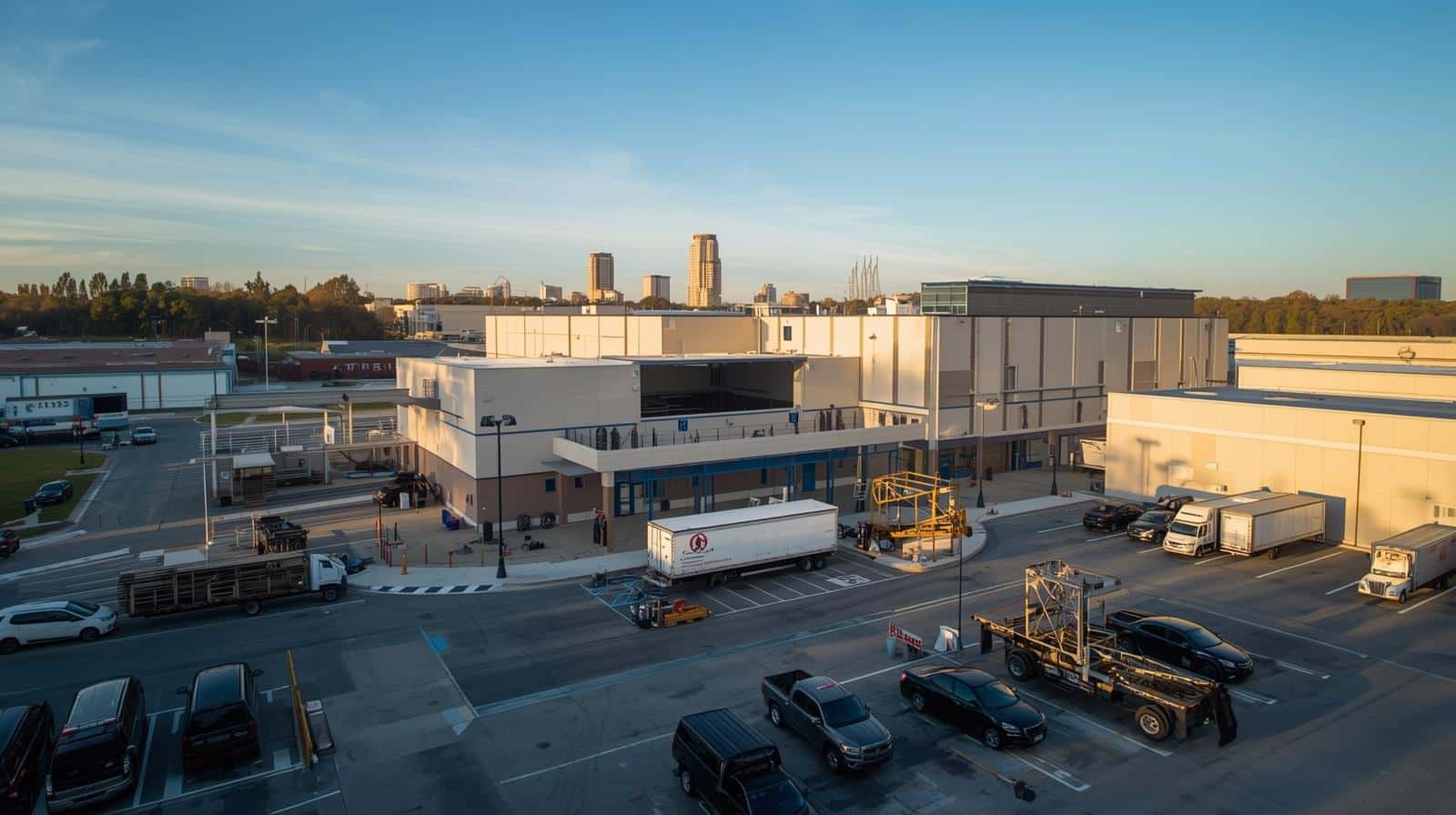
Truck approach, dock face, and shared aisles still drive value in flex and warehouse assets. Georgia markets are not identical—a Metro Atlanta flex tour and a coastal logistics tour may share vocabulary but not the same peak-season patterns.
Mark up the site plan before the meeting. Highlight where trailers queue, where employees park, and where fire access must stay clear. Sellers respond faster when your questions reference a plan page rather than a vague "yard concern."
Building a rent roll summary leadership can read
Leadership rarely wants every lease abstract on day one. They want occupancy, weighted average lease term in plain words, known roll dates during your intended hold, and any tenant concentration that changes risk.
If you are buying, note which leases you expect to honor versus renegotiate. If you are selling, note which tenants have renewal options and which service contracts transfer.
One page is enough for many second meetings. Lead with a table: tenant name or suite, approximate size, expiration, and any option language you already know exists. Footnote what is still outstanding so the seller can fill gaps without guessing what you need.
Photos and site notes that save a second tour
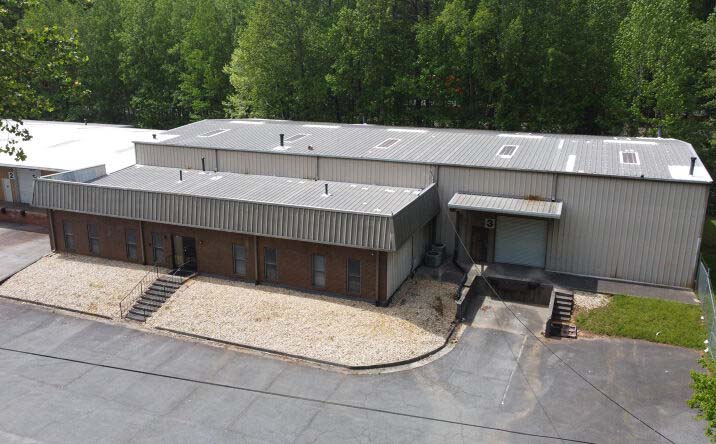
Label photos by location: approach, dock, interior bay, roof line if visible from ground, yard, and shared drives. Note date and weather—a wet truck court tells a different story than a dry one. If your policy allows video, keep clips short and stable.
Pair photos with the prep list in our industrial site visit checklist for Georgia buyers so the same categories appear every time. Consistency beats volume.
Questions sellers can answer before escrow
Good second-meeting questions are narrow: roof age and recent capital work, environmental report status at summary level, utility capacity labels, known easements on truck courts, and whether outdoor storage is permitted under current leases and zoning summaries.
Frame questions as confirmations, not accusations. "Does the phase one summary note any recognized environmental conditions?" invites a document. "Is this site contaminated?" invites defensiveness. Your packet should list which answers you expect in writing versus on a call.
If you are selling rather than buying, the same discipline applies in reverse. Buyers reward packets that acknowledge known constraints. Silence on yard use or shared maintenance often slows diligence rather than protecting value.
Timing the packet before a busy tour week
Send the packet sketch to your broker at least one business day before a multi-property week when possible. The seller's side can route questions to the right contact, schedule engineering access, or decline gracefully when timing does not work.
Keep a version number on the file name. "Packet v3" prevents your team from debating yard photos that belonged to an earlier draft. Small habits reduce rework more than extra pages do.
When the packet is ready for a return walk, use our May second tour question guide to tighten questions rather than repeating the first tour verbatim.
How we can help
We align acquisition questions with seller expectations and local market tone. Share your packet sketch with us before the next round so we can sequence follow-ups efficiently.