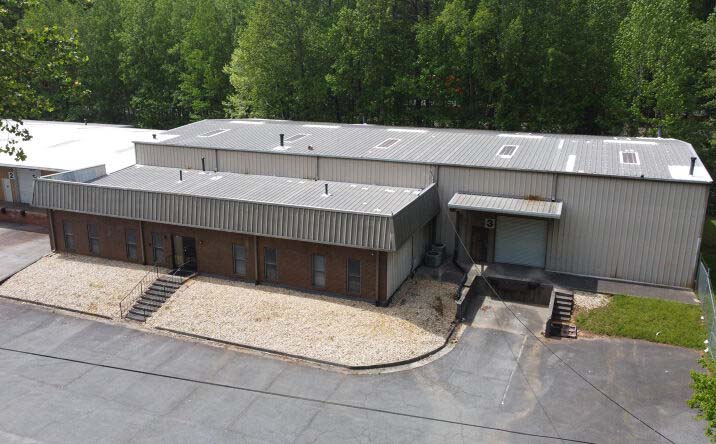

Before you walk a Georgia warehouse, flex bay, or industrial building, a short prep list saves everyone time. This guide is for owners and investors who want the same questions covered on every tour—not improvised in the parking lot. It is not legal or engineering advice. Swartz Co Commercial Real Estate supports acquisitions across the state.
Define what a successful first tour must answer
Before calendars fill, write down the top requirements in language your operations lead will recognize: approximate square footage band, door count and size, ceiling height floor, power level, and whether you need a secured yard or trailer parking. Add deal breakers separately from preferences so the tour team does not debate aesthetics when a fundamental constraint already fails.
If outdoor storage is part of the story, read our companion note on outdoor storage for commercial properties before you tour. Ask about rights, screening, and hours of use in the same pass as the building. A first tour that only admires clear height but ignores yard rights often requires a second trip for the wrong reason.
Read the marketing package against your list
Match the flyer or offering memorandum to the requirements list. Flag gaps early so the listing broker can clarify before you travel. Marketing language varies by submarket; "dock high" and "grade level" should map to door dimensions on a plan, not only to photos.
Study circulation on paper before you arrive
On the site plan, trace truck approach, dock face, employee parking, and any shared drive aisles. Note where fire lanes and hydrants sit. Ask whether peak-season queues are common in the submarket—brokers hear patterns even when a specific property has been quiet.
Bring the right people from your side
A serious industrial tour includes operations, not only finance. Operations notices floor slopes, rack layout constraints, and whether a column grid fights your pick path. Finance notices rent roll timing and capital exposure. Both perspectives belong in the same debrief.
If your group is large, assign one note taker and one photographer so the walk stays orderly. Sellers appreciate a concise question list more than an unstructured crowd.
Carry a short diligence list you can reuse
Reuse the same prompts on every property so comparisons stay fair. You will not receive final answers on the sidewalk—you are listening for whether the seller has thought about the topics at all. Georgia industrial stock spans decades; two buildings with the same clear height on a flyer can differ sharply on roof history, floor flatness, and how the prior tenant used power.
- Roof age and recent capital projects in plain language from the owner or seller's contact.
- Environmental phase one status at a summary level, plus who holds reports.
- Utility capacity labels and whether spare capacity is reserved for future tenants.
- Known encroachments, easements, or shared maintenance on truck courts.
- Hours of operation, noise, and shared costs in multi-tenant parks.
None of these items replaces counsel, engineers, or environmental consultants. They keep your first tour from skipping categories you will need later.
Separate lease legacy from fee simple when you are buying
If the building is occupied, understand which leases roll during your hold period and which service contracts transfer. Tenant mix affects hours, noise, and shared costs. A strong location with a lease profile that does not match your strategy can still be a pass.
Hold a same-day debrief while details are fresh
Capture photos your policy allows, note surprises, and assign one owner to update the short list. Decide whether a second tour, a narrow request for seller clarification, or a pass is the next move.
A useful debrief answers four prompts: what matched the flyer, what diverged, what requires a document, and what requires another walk. If the group cannot agree on those four, the property may need more time—not more volume in the inbox.
When you are assembling materials for a return meeting, our broker meeting packet guide and May second tour question guide pair with this checklist for the next round.
How we can help
We align tours with acquisition strategy, seller expectations, and local market tone. Share your checklist with us before the first site visit so we can sequence questions and follow-ups efficiently.