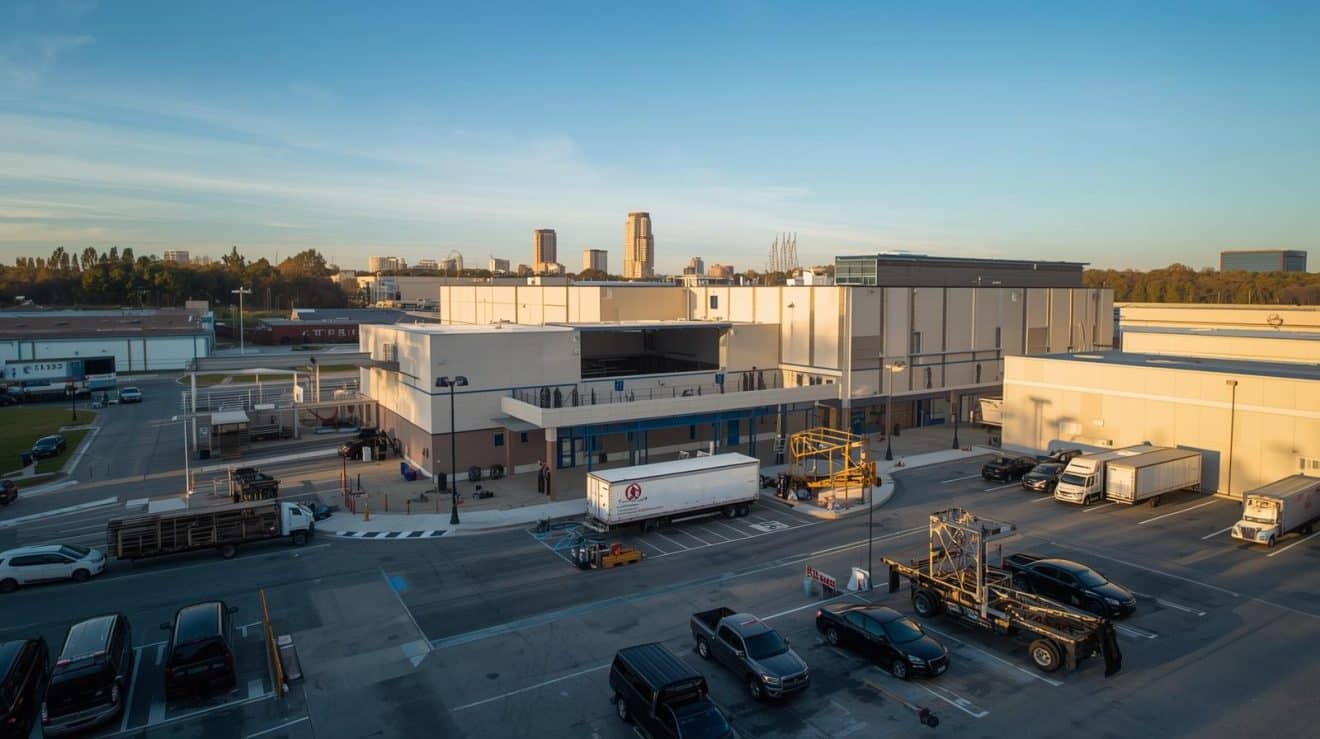


Industrial real estate in Greater Atlanta offers investment opportunities for buyers seeking warehouse, distribution, manufacturing, or flex properties. The region serves as a major logistics hub for the Southeast with strong fundamentals supporting industrial demand. Whether you plan to occupy buildings for your own operations or acquire properties as investments, understanding what makes industrial purchases successful helps you make informed decisions and avoid costly mistakes.
Buying industrial property involves different considerations than other commercial real estate types. Building specifications, location factors, tenant needs, and operational requirements all differ from office or retail investments. Taking time to understand these distinctions before committing capital helps you acquire properties that meet your objectives.
Why Greater Atlanta Appeals to Industrial Investors
Several factors make the Atlanta region attractive for industrial real estate investment and explain why the market has shown sustained strength.
Geographic position in the Southeast makes Atlanta a natural distribution hub serving multiple states. The central location allows efficient truck transport throughout Georgia, the Carolinas, Tennessee, Alabama, Florida, and beyond. Companies distributing products regionally benefit from Atlanta’s reach.
Highway infrastructure connects Greater Atlanta to the rest of the country through major interstate corridors. Interstate 85 runs northeast toward the Carolinas and Virginia. Interstate 75 provides north south connectivity through Tennessee to the Midwest and south toward Florida. Interstate 20 offers east west connections. This highway network supports logistics operations.
Airport access through Hartsfield Jackson Atlanta International Airport serves companies needing air freight capabilities. The airport handles substantial cargo volume, making Atlanta viable for operations requiring air transport alongside truck shipping.
Population growth in the region creates consumer demand that supports distribution and logistics activity. More people need more goods, driving warehouse and distribution center demand. The expanding population also provides workforce for industrial operations.
Business friendly environment and relatively affordable operating costs compared to coastal markets attract companies to locate operations in Atlanta. Lower costs for land, construction, labor, and general business operations make the region competitive for industrial users.
E commerce growth has driven industrial demand nationwide, and Atlanta benefits from this trend. Online retailers need distribution centers to fulfill orders quickly. Atlanta’s location and infrastructure make it attractive for e commerce fulfillment operations serving the Southeast.
Economic diversity across multiple industries creates stable demand for industrial space. Atlanta’s economy includes logistics, manufacturing, food and beverage, technology, healthcare, and numerous other sectors. This diversity reduces dependence on single industries.
Understanding Different Industrial Property Types
Industrial real estate includes various building types serving different operational needs. Knowing these categories helps you identify what fits your investment strategy or operational requirements.
Warehouse and distribution facilities focus on storing goods and shipping them to customers or other locations. These buildings typically feature loading docks, adequate truck courts, and open floor plans supporting efficient material handling. Modern distribution centers often have substantial ceiling heights allowing vertical storage.
Manufacturing buildings serve production operations requiring space for equipment, assembly lines, raw material storage, and finished goods. These facilities might need heavy power service, specialized ventilation, floor load capacity for machinery, and configurations supporting manufacturing processes.
Flex industrial properties combine warehouse and office space under one roof. These buildings appeal to businesses needing both storage or light production areas and administrative space. Flex properties typically have more office area than pure warehouses but less than traditional office buildings.
Cold storage and refrigerated warehouses serve food distributors, pharmaceutical companies, and others needing temperature controlled environments. These specialized facilities require substantial insulation, refrigeration equipment, and electrical capacity to maintain required temperatures.
Truck terminals and cross dock facilities support logistics operations that transfer goods from inbound to outbound trucks with minimal storage. These properties need extensive loading dock capacity and efficient layouts supporting rapid product movement.
Last mile distribution centers located near population centers enable rapid delivery to consumers. E commerce growth has increased demand for smaller distribution facilities positioned close to customers for same day or next day delivery.
Bulk storage warehouses prioritize maximizing storage capacity for goods held longer periods. These facilities might have fewer loading docks relative to size compared to high velocity distribution centers but offer substantial cubic footage for inventory.
Understanding which category fits your needs helps you search efficiently and evaluate whether specific properties serve intended purposes.
Location Factors That Affect Industrial Property Value
Where industrial buildings sit significantly impacts their utility for tenants and their value as investments. Several location considerations deserve attention when evaluating properties.
Highway access determines how efficiently trucks can reach facilities and continue to destinations. Properties near Interstate 285, Interstate 85, Interstate 75, or Interstate 20 benefit from direct access to major freight corridors. Secondary highway access matters too if routes avoid congested areas and provide good connectivity.
Distance from Hartsfield Jackson Airport affects properties serving tenants who need air freight capability. Proximity to the airport benefits certain logistics operations while mattering less to businesses focused purely on truck transport.
Traffic patterns and congestion influence how reliably trucks can reach properties on schedule. Areas with severe traffic problems create unpredictable delivery and shipping times. Understanding typical traffic conditions helps you evaluate operational feasibility.
Proximity to labor pools affects tenant ability to staff operations. Industrial facilities need workers for warehouse, distribution, and production functions. Properties located where adequate labor exists at reasonable wage levels appeal more to potential tenants than those in areas with tight labor markets.
Neighboring uses and zoning affect property operations and future development potential. Industrial properties function best in areas where surrounding uses accept and accommodate truck traffic and warehouse activities. Mixed use areas with residential nearby can create conflicts.
Submarket characteristics within Greater Atlanta influence property values and tenant demand. Southern areas near the airport attract logistics operations prioritizing air freight access. Northern suburbs appeal to operations serving those markets. Eastern and western corridors each have distinct characteristics affecting who wants to locate there.
Infrastructure including utilities, road quality, and site access affects property functionality. Adequate water and sewer service, reliable electrical capacity, and well maintained roads all matter for industrial operations.
Future development plans in surrounding areas can affect property values positively or negatively. Planned highway improvements might enhance access. Residential development nearby could create conflicts. Understanding area trajectories helps you evaluate long term prospects.
Critical Building Specifications for Industrial Properties
Physical characteristics of industrial buildings determine what operations they can support and which tenants will find them suitable. Several specifications deserve careful evaluation.
Ceiling height represents one of the most important industrial building specifications. Modern distribution operations prefer substantial clear heights allowing efficient vertical storage through racking systems. Older buildings with lower ceilings limit storage density and appeal to fewer potential tenants.
Column spacing and clear span areas affect layout flexibility and operational efficiency. Buildings with columns every few feet create obstacles limiting how you can arrange racking and equipment. Wider spacing or clear span designs without interior columns provide more flexibility.
Loading dock quantity and configuration determine how efficiently goods move in and out of buildings. Distribution centers need adequate dock doors for their shipping and receiving volumes. Dock door spacing affects how many trucks can load simultaneously. Drive through configurations allow trucks to enter buildings for certain operations.
Truck court depth in front of loading docks must accommodate trailer maneuvering. Insufficient space creates difficult backing situations that slow operations. Adequate truck courts allow smooth efficient loading and unloading.
Floor load capacity affects what you can store and how densely. Heavy products or high racking systems require floors engineered for substantial weight. Understanding floor specifications helps you know whether buildings suit intended uses.
Electrical service capacity determines what equipment you can operate. Some industrial operations need minimal power while others require substantial electrical service for conveyor systems, refrigeration, or manufacturing equipment. Three phase power availability matters for many industrial users.
Office space within industrial buildings varies from minimal areas to substantial square footage. Understanding how much office area exists and whether it meets your needs helps you evaluate suitability. Office to warehouse ratios differ significantly among properties.
Sprinkler systems and fire protection meet code requirements but configurations vary. Early Suppression Fast Response sprinkler systems allow higher storage compared to standard systems in some jurisdictions. Understanding fire protection affects how you can use buildings.
Building age influences systems, layout efficiency, and remaining useful life of components. Newer construction offers modern specifications and longer periods before major capital needs. Older buildings might need system upgrades or replacements sooner.
Site characteristics including parking, yard space, trailer storage, and expansion room affect functionality. Some operations need substantial outdoor areas while others require minimal site improvements beyond the building.
Evaluating Existing Tenants and Lease Terms
When purchasing occupied industrial properties, understanding tenant quality and lease structures significantly affects investment value and risk.
Tenant financial strength determines income reliability. Reviewing financial statements, payment history, and business stability helps you assess whether tenants will continue paying rent. Strong creditworthy tenants provide secure income while weak occupants create collection risk.
Lease expiration timing affects near term uncertainty. Properties with leases expiring soon face re leasing risk and potential vacancy. Buildings with years remaining on leases provide income stability but less flexibility to adjust terms or change tenants.
Rental rates compared to current market levels show whether income is sustainable. Below market rents suggest you might increase income at renewal but also indicate why current owners accepted lower rates. Above market rents create risk that tenants will leave or demand reductions when leases expire.
Lease structures including whether arrangements are gross, modified gross, or triple net affect your expenses and income predictability. Understanding who pays property taxes, insurance, maintenance, and utilities helps you project actual net income.
Renewal options in existing leases might limit your ability to adjust rents at expiration. Tenants with renewal rights at predetermined rates reduce your flexibility. Understanding all lease provisions helps you know what obligations you assume.
Tenant improvement obligations or upcoming capital needs that leases require you to provide affect your costs. Some leases commit landlords to improvements or allowances at renewal. Understanding these obligations helps you budget accurately.
Tenant operating hours and truck traffic patterns affect neighboring property relationships. Twenty four hour operations or heavy truck traffic might create issues in some locations. Understanding how tenants actually use properties helps you evaluate suitability.
Industry and business type diversity among tenants in multi tenant buildings affects risk. Properties dependent on single industries face more concentrated risk than those with diverse tenant bases.
Performing Thorough Due Diligence
Industrial property purchases require comprehensive investigation before closing to verify you are buying what you think and to identify any problems affecting value or utility.
Physical inspections by qualified commercial property inspectors assess building condition, identify deferred maintenance, and flag systems nearing replacement. Roof condition, mechanical systems, electrical service, plumbing, and structural elements all need evaluation.
Roof assessments by roofing specialists determine remaining useful life and needed repairs. Industrial building roofs represent major capital expenses. Understanding roof condition helps you anticipate costs and negotiate appropriate pricing or seller repairs.
Environmental site assessments investigate potential contamination from current or historical uses. Phase One environmental studies review property history and current conditions. If concerns arise, Phase Two studies involve actual soil and groundwater testing. Environmental problems can create massive liability.
Zoning verification confirms properties can continue current uses and evaluates what other uses might be permitted. Just because buildings currently operate as warehouses does not guarantee zoning allows these uses. Understanding zoning protects you from use restrictions.
Survey work establishes exact property boundaries and identifies any encroachments. Neighboring buildings or improvements crossing property lines create problems best discovered before purchase.
Title examination verifies clean ownership and identifies liens, easements, or other encumbrances affecting properties. Title insurance protects you from undiscovered title defects but thorough examination before closing helps identify and resolve issues.
Financial verification confirms that income sellers represent actually exists and expenses are accurately stated. Requesting documentation supporting income and expenses helps prevent overpaying based on inflated projections.
Building code compliance reviews check whether properties meet current standards or operate as legal nonconforming uses. Properties not meeting code might require expensive upgrades if substantially renovated.
Utility capacity confirmation ensures adequate water, sewer, electrical, and gas service exists for intended uses. Some industrial operations need substantial utilities that not all properties can provide.
Lease document review for all tenants reveals actual terms and obligations you assume. Reading leases yourself or having attorneys review them prevents surprises about tenant rights or landlord responsibilities.
The due diligence period length in purchase agreements must accommodate all necessary investigations. Thirty to sixty days works for straightforward properties. More complex situations might require longer examination periods.
Financing Industrial Property Purchases
Understanding financing options and requirements helps you structure acquisitions appropriately and secure necessary capital.
Conventional commercial mortgages from banks and other lenders provide common financing for industrial property purchases. These loans typically require down payments of twenty to thirty five percent of purchase prices with the properties serving as collateral.
Loan to value ratios determine how much lenders will advance relative to property values. Higher quality properties with strong tenants might achieve more favorable loan to value ratios than older buildings with weaker occupancy.
Debt service coverage ratios measure whether property income adequately supports debt payments. Lenders want to see property cash flow exceeding debt service by comfortable margins. Weak coverage means you need larger down payments or cannot obtain desired financing.
Interest rates and terms vary based on property quality, tenant strength, borrower financial position, and market conditions. Shopping among multiple lenders helps you find favorable rates and terms.
Recourse versus non recourse loans affect your personal liability. Recourse loans allow lenders to pursue your other assets if properties cannot satisfy debts. Non recourse loans limit lender recovery to just the properties. Most commercial loans include some level of recourse.
Small Business Administration financing through programs like SBA 504 loans offers favorable terms for owner occupied industrial properties. These programs provide lower down payments and long term fixed rates but involve more paperwork and longer closing timelines.
Private financing from non bank lenders provides alternatives when conventional financing proves difficult. Private loans often carry higher interest rates but might offer more flexibility on terms or property types they will finance.
Cash purchases avoid financing costs and complications but require substantial capital. All cash buyers often negotiate better purchase prices and can close more quickly than financed purchases.
Understanding your financing options before making offers helps you structure realistic proposals and move efficiently through purchases once sellers accept.
Tax Considerations When Buying Industrial Property
Tax implications significantly affect investment returns and should factor into purchase decisions.
Depreciation allows you to deduct property values over time even though industrial real estate often appreciates. This non cash deduction reduces taxable income from properties and improves after tax returns. Understanding depreciation schedules helps you project tax benefits.
Cost segregation studies identify property components that can be depreciated faster than buildings as a whole. Separating land improvements, personal property, and building components allows accelerated depreciation that provides early tax benefits.
Property tax assessments determine annual property tax obligations. Understanding how properties get assessed and what you will pay helps you budget operating expenses accurately. Some jurisdictions assess properties based on purchase prices, immediately increasing taxes after sales.
Capital gains treatment applies when you eventually sell properties. Long term capital gains rates generally provide more favorable tax treatment than ordinary income rates. Holding periods affect how gains get taxed.
1031 exchanges allow you to defer capital gains taxes by reinvesting proceeds into other commercial properties. These exchanges have strict timeline requirements and rules but provide valuable tax deferral for investors selling properties and acquiring others.
Passive activity loss limitations affect how you can use real estate losses against other income. Understanding these rules helps you plan tax strategies appropriately.
State and local tax variations in Georgia affect your overall tax burden. Understanding how different jurisdictions within Greater Atlanta approach property taxation helps you evaluate total tax costs.
Working with accountants or tax advisors who understand commercial real estate helps you structure ownership and transactions to optimize tax outcomes.
Investment Strategy Considerations
Your investment approach affects what industrial properties make sense and how you should evaluate opportunities.
Value add strategies involve acquiring properties below market value and improving them through better management, capital improvements, or re leasing to increase income and values. These approaches require expertise and capital but can generate strong returns.
Core investments in stabilized properties with quality tenants provide steady income with less volatility. These properties typically command higher prices but offer more predictable returns.
Opportunistic purchases of distressed properties, vacant buildings, or special situations can create value but involve higher risk. These strategies require experience and ability to handle problems that make properties difficult.
Owner occupied purchases where you acquire buildings for your own industrial operations involve different considerations than investment purchases. You prioritize operational fit over investment returns and might accept different locations or specifications.
Portfolio building through acquiring multiple smaller properties diversifies risk compared to single large investments. However, managing multiple properties requires more effort than single asset ownership.
Long term hold strategies focus on stable income over extended periods. These approaches prioritize sustainable cash flow over quick value appreciation.
Your investment timeline affects what you can undertake. Short hold periods limit your ability to execute value add plans. Longer time horizons allow more complex strategies.
Risk tolerance determines what property types and situations fit your comfort level. Higher risk strategies offer potentially better returns but involve more uncertainty.
Working with Industrial Real Estate Professionals
Purchasing industrial properties benefits from experienced professional guidance given complexity and capital involved.
Commercial real estate brokers specializing in industrial properties provide market knowledge about available buildings, pricing trends, and tenant demand. Their transaction experience helps you navigate purchases efficiently.
Industrial property inspectors with experience evaluating warehouses and distribution centers identify building condition issues and capital needs that affect value.
Environmental consultants conduct Phase One and Phase Two assessments to investigate contamination risks. Using reputable environmental firms ensures thorough investigations.
Commercial real estate attorneys review purchase agreements, coordinate due diligence, and ensure transactions close properly with appropriate legal protections.
Lenders who regularly finance industrial properties understand these assets and can structure appropriate financing.
Accountants help you analyze investment returns, structure ownership for tax efficiency, and understand implications of purchase decisions.
Property managers experienced with industrial buildings help you operate properties successfully after purchase if you do not plan to self manage.
Swartz Co Industrial Property Expertise
At Swartz Co Commercial Real Estate, we work extensively with industrial properties throughout Greater Atlanta. Our experience helps buyers evaluate opportunities, conduct due diligence, and successfully acquire warehouse, distribution, manufacturing, and flex buildings.
We provide current market intelligence about available industrial properties, pricing trends, tenant demand, and submarket conditions across the Atlanta region. This knowledge helps you evaluate whether opportunities represent good value.
We help you assess whether specific buildings meet your operational needs or investment criteria. Our understanding of industrial building specifications and what different operations require helps you avoid properties that will not work.
We coordinate due diligence by connecting you with qualified inspectors, environmental consultants, lenders, attorneys, and other professionals needed for thorough property investigation.
We assist with purchase negotiations to help you achieve fair pricing and appropriate terms. Our transaction experience helps keep deals moving forward efficiently.
Our presence throughout Greater Atlanta industrial markets gives us knowledge of properties, availability, and trends affecting this sector. Whether you need buildings for your operations or seek industrial investments, we bring expertise in this specialized property category.
Contact our team to discuss industrial property purchases in Greater Atlanta. We are here to help you identify opportunities, evaluate properties thoroughly, and successfully acquire industrial real estate that meets your objectives.