Picture of Swartz Co

Swartz Co

Triple Net Leases

swartzcocre location 3

Triple net leases represent a common lease structure in commercial real estate where tenants pay not just base rent but also their share of property operating expenses including taxes, insurance, and maintenance. This arrangement shifts financial responsibilities from landlords to tenants in ways that affect both parties significantly. Whether you own commercial property considering triple net leases or operate a business evaluating space under this structure, understanding how these agreements work helps you make informed decisions.

Greater Atlanta has substantial commercial real estate operating under triple net lease structures, particularly in retail, industrial, and single tenant properties. Knowing what triple net actually means, what costs you bear, and how these leases compare to other structures helps both property owners and tenants evaluate whether this approach fits their situations.

What Triple Net Actually Means

Triple net leases, often abbreviated as NNN leases, require tenants to pay three categories of property operating expenses beyond base rent. These three nets refer to property taxes, building insurance, and common area maintenance or property maintenance. Tenants in triple net leases essentially pay all property operating costs in addition to base rent to landlords.

The structure differs fundamentally from gross leases where landlords pay operating expenses and charge tenants one inclusive rent amount covering everything. Triple net arrangements separate base rent from operating costs, making tenants directly responsible for these expenses.

Base rent in triple net leases represents the amount that goes to landlords for property use without including operating expenses. This rent typically runs lower than gross lease rates for comparable properties because tenants pay additional amounts for taxes, insurance, and maintenance separately.

Net operating income for landlords under triple net structures closely approaches base rent because most operating expenses get passed through to tenants. Landlords receive rent without the obligation to pay property taxes, insurance premiums, or maintenance costs from that income. This predictable net income appeals to property investors.

The triple net terminology comes from the three main expense categories tenants pay. Single net leases make tenants pay just property taxes beyond base rent. Double net leases add insurance to tenant obligations. Triple net includes all three categories plus common area or property maintenance.

Absolute triple net leases represent the most tenant responsible structure where tenants pay everything including roof and structural repairs that standard triple net leases sometimes exclude. These absolute versions place maximum financial responsibility on tenants with minimal landlord obligations.

Property Types Commonly Using Triple Net Leases

Certain commercial property categories use triple net lease structures more commonly than others based on how these properties get occupied and operated.

Single tenant retail buildings where one business occupies entire properties frequently operate under triple net leases. Freestanding restaurants, drugstores, banks, and retail stores often lease buildings on triple net basis. The single tenant bears all operating costs for properties they fully control and use.

Retail strip centers sometimes use triple net leases for tenant spaces. Each retail tenant pays base rent plus their proportionate share of property taxes, insurance, and common area maintenance for parking lots, landscaping, and shared facilities. The structure allows landlords to pass operating costs through to the businesses benefiting from the property.

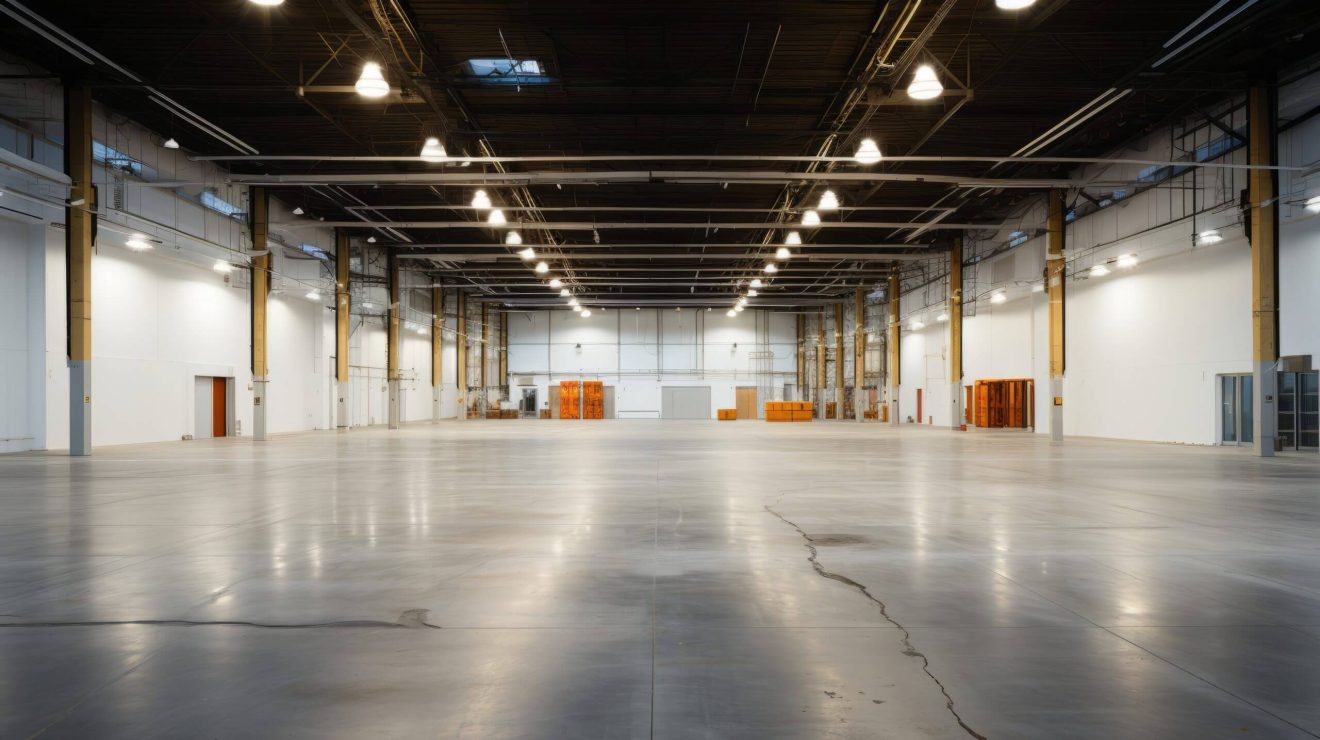
Industrial buildings including warehouses and distribution centers often lease on triple net terms. Tenants occupying these facilities pay base rent plus their share of property costs. In single tenant industrial buildings, one occupant bears all expenses. Multi tenant properties divide costs among occupants based on space occupied.

Office buildings sometimes use triple net or modified net structures, though pure triple net is less common in office than retail or industrial. Office leases more often use modified gross structures, but some office properties do operate on net lease basis.

Ground leases where tenants lease land and construct their own buildings almost always use triple net or absolute net structures. Tenants who build on leased land naturally bear all costs associated with properties they construct and operate.

Investment grade single tenant properties leased to creditworthy national companies frequently use triple net structures. These properties appeal to investors wanting minimal management responsibility with income from strong tenants who handle all property obligations.

How Operating Expenses Get Passed Through to Tenants

Understanding exactly what costs you pay under triple net leases and how those expenses get calculated and billed matters significantly for budgeting and evaluating total occupancy costs.

Property taxes represent the first net in triple net leases. Tenants pay their proportionate share of annual property taxes assessed by local governments. In single tenant properties, you pay all property taxes. In multi tenant buildings, taxes get divided based on your percentage of total building space.

Tax increases during lease terms flow through to tenants under triple net structures. If property taxes rise due to reassessments or rate increases, your costs increase correspondingly. This puts tax increase risk on tenants rather than landlords.

Building insurance including property coverage and liability protection gets paid by tenants. Landlords maintain insurance policies, but costs get passed through. You might pay all insurance in single tenant properties or your proportionate share in multi tenant buildings.

Insurance cost fluctuations affect your expenses under triple net leases. If insurance premiums increase due to claims, market conditions, or coverage changes, your costs rise. Natural disasters or other events affecting insurance markets can significantly impact your insurance pass through expenses.

Common area maintenance in multi tenant properties includes costs for parking lot upkeep, landscaping, snow removal, exterior lighting, property management, and shared building systems. These expenses get divided among tenants based on their percentage of building space.

Property maintenance in single tenant triple net leases makes you responsible for maintaining buildings and sites. Repairs to roofing, heating and cooling systems, parking areas, and all other property components typically fall on tenants, though some triple net leases exclude major structural items.

Capital expenditures for major improvements or replacements sometimes get excluded from tenant obligations in triple net leases, though this varies by specific agreement. Some leases make landlords responsible for roof replacement and structural repairs while tenants handle routine maintenance. Other leases, particularly absolute triple net, make tenants pay everything.

Utilities including water, sewer, electricity, and gas might be included in common area maintenance charges or separately metered and billed directly to tenants. Understanding how utilities get handled helps you calculate total occupancy costs.

Management fees for professional property management sometimes appear in operating expenses that get passed through to tenants. If landlords hire management companies, those costs might flow through as part of common area maintenance or operating expense reimbursements.

Calculating Total Occupancy Costs Under Triple Net Leases

Evaluating space under triple net lease structures requires understanding your complete cost picture, not just base rent that gets quoted.

Base rent per square foot represents your starting point. A ten thousand square foot space at fifteen dollars per square foot annually costs one hundred fifty thousand dollars in base rent. However, this represents only part of your total expense.

Property tax estimates help you project this component of your costs. Asking landlords for current tax amounts and your proportionate share gives you specific numbers. Property taxes per square foot vary significantly by location and property value.

Insurance cost projections come from asking landlords about current insurance premiums and how much tenants pay. Insurance costs per square foot tend to be more modest than property taxes but still add to your total.

Common area maintenance budgets or actual expenses from previous years show you what to expect for this cost category. Requesting detailed breakdowns of what gets included in common area maintenance helps you understand these charges and verify they are appropriate.

Adding all components together gives you total occupancy cost. If base rent is fifteen dollars per square foot, property taxes add three dollars, insurance adds one dollar, and common area maintenance adds two dollars, your total cost is twenty one dollars per square foot. This complete picture allows accurate comparison with other lease options.

Expense escalations over lease terms affect your long term costs. Property taxes typically increase over time. Insurance costs fluctuate. Common area maintenance expenses often rise. Understanding how expenses have trended historically helps you project future costs.

Expense caps that limit annual increases or total expense amounts provide cost protection for tenants. Some triple net leases cap controllable expenses like common area maintenance while allowing unlimited pass through of uncontrollable costs like taxes and insurance. Negotiating caps helps you manage cost exposure.

Benefits of Triple Net Leases for Property Owners

Landlords favor triple net lease structures for several reasons that make these arrangements attractive from ownership perspectives.

Predictable net income results from tenants paying operating expenses. Landlords know their base rent income will not get reduced by varying property taxes, insurance costs, or maintenance expenses. This predictability helps with financial planning and property valuation.

Reduced management responsibility appeals to landlords who prefer minimal involvement in property operations. When tenants handle maintenance and property costs, landlords have fewer responsibilities and can operate more passively. This particularly attracts investors wanting income without active management.

Lower financial risk from operating expense increases benefits landlords because cost escalations flow through to tenants. Rising property taxes or insurance premiums do not reduce landlord returns. Tenants absorb these increases, protecting landlord income.

Property valuation benefits from stable net income that triple net leases provide. Investment properties get valued based on net operating income. Triple net structures that pass expenses through create net income that closely matches base rent, making valuations more predictable.

Investment appeal to buyers seeking passive income properties makes triple net buildings attractive to certain investor categories. Properties with creditworthy tenants on long term triple net leases trade actively among investors wanting stable returns with minimal management.

Lower operating costs for landlords result from tenants handling most property expenses. Landlord costs mainly involve debt service and any reserves they maintain. The simplified financial structure reduces landlord overhead.

Benefits of Triple Net Leases for Tenants

While triple net structures shift costs to tenants, these arrangements also provide certain advantages from tenant perspectives.

Control over property maintenance allows tenants to maintain buildings according to their standards and timing. Rather than depending on landlords to make repairs, you can address maintenance when and how you want. This control particularly benefits tenants who prefer managing their own facilities.

Lower base rent compared to gross leases can make triple net space more affordable initially. The base rent number might look attractive even though total costs including operating expenses could be similar to or higher than gross lease alternatives. However, the structure might work better for your budgeting.

Transparency in operating costs means you see exactly what you pay for taxes, insurance, and maintenance rather than having these costs hidden in gross rent. You can verify charges are appropriate and challenge any that seem unreasonable. This visibility helps you understand where money goes.

Audit rights in triple net leases often give you ability to review operating expense calculations and supporting documentation. You can confirm you are being charged correctly and paying only your fair share of actual costs.

Property modification flexibility sometimes comes easier under triple net structures where you handle maintenance and improvements. Making changes to suit your business might require less landlord approval when you bear costs and responsibility for property condition.

Drawbacks of Triple Net Leases for Tenants

Triple net structures also create disadvantages and risks for tenants that you should understand before committing to these arrangements.

Expense uncertainty makes budgeting more difficult because you cannot know exactly what property taxes, insurance, or maintenance will cost in future years. Significant increases in any category raise your total occupancy costs unexpectedly. This unpredictability complicates financial planning.

Maintenance responsibility and costs fall on you under triple net leases. When heating and cooling systems need repair or parking lots require resurfacing, you pay these expenses. Major items can cost substantial amounts that strain budgets.

Property tax increases beyond your control affect your costs directly. If local governments raise tax rates or reassess properties at higher values, your expenses increase. You have no ability to prevent these increases but must pay them.

Insurance market fluctuations impact your costs when premiums increase due to claims, natural disasters, or market conditions. Insurance markets can change significantly year to year, affecting your expenses unpredictably.

Capital expenditure obligations in some triple net leases make you responsible for major replacements like roofs or structural repairs. These large expenses can occur unpredictably and cost far more than routine maintenance.

Long term commitment risks exist because triple net leases often run for extended periods. If property costs increase substantially or if the location no longer serves your business well, you remain obligated under long leases.

Administrative burden from tracking operating expenses, verifying charges, and managing property maintenance creates work that gross leases avoid. You or your staff must pay attention to property cost details.

Evaluating Triple Net Investment Properties

Investors considering purchasing properties with triple net leases in place need to evaluate several factors that affect investment quality and returns.

Tenant creditworthiness determines income reliability and investment risk. Properties leased to financially strong national companies provide secure income streams. Buildings with weak local tenants carry more default risk regardless of triple net structures.

Lease term length affects investment value and risk. Longer remaining lease terms provide income certainty for extended periods. Short remaining terms create uncertainty about whether tenants will renew and at what rates.

Rent levels compared to market rates show whether current income is sustainable. Below market rents suggest income might increase at renewal. Above market rents create risk that tenants will leave or demand reductions when leases expire.

Property condition influences future costs even under triple net leases. Deferred maintenance that tenants have not addressed or aging systems approaching replacement create problems. Structural issues that landlords might remain responsible for under some triple net leases require attention.

Location quality affects long term value and tenant retention likelihood. Properties in strong locations with good access and demographics tend to hold value better than those in declining areas or poor locations.

Cap rates for triple net properties vary based on tenant credit, lease length, and property quality. Strong tenants on long leases command low cap rates reflecting minimal risk. Weaker situations trade at higher cap rates.

Rent escalations built into existing leases affect future income growth. Leases with annual increases provide growing income streams. Flat rents throughout terms limit income growth.

Negotiating Triple Net Lease Terms

Whether you represent property owners or tenants, negotiating triple net lease terms requires attention to specific provisions that affect how these arrangements work.

Expense definitions need clear language specifying exactly what costs get included in each category. What items fall under common area maintenance versus capital expenditures? What insurance coverage is required? Precise definitions prevent disputes about what tenants must pay.

Expense caps or limitations protect tenants from unlimited cost increases. You might negotiate caps on controllable expenses like management fees or maintenance while accepting unlimited pass through of taxes and insurance. These provisions help tenants manage cost exposure.

Exclusions from operating expenses define what landlords cannot charge to tenants. Capital improvements, leasing costs, debt service, and certain other items typically get excluded. Clear exclusions prevent inappropriate charges.

Gross up provisions in multi tenant properties adjust expenses to reflect full building occupancy. Without gross ups, tenants in partially occupied buildings pay disproportionate shares of fixed costs. Proper gross up language protects you from unfair allocations during vacancy periods.

Audit rights allowing you to review expense calculations and supporting documents help verify you pay only appropriate amounts. Annual audit rights or triggered rights when expenses increase substantially protect your interests.

Base year structures for expense calculations establish starting points for measuring increases. Rather than paying all expenses from day one, you might pay only increases above base year levels. This approach works better for tenants in multi tenant buildings.

Maintenance standards and obligations need clear definition so both parties understand what condition the property must maintain and who handles what repairs. Detailed maintenance provisions prevent disputes about property care.

Common Triple Net Lease Mistakes

Both landlords and tenants make predictable errors with triple net leases that create problems. Understanding these mistakes helps you avoid them.

Tenants focusing only on base rent without calculating total costs including operating expenses make incomplete evaluations. The complete occupancy cost matters more than base rent alone. Always analyze full expense pictures.

Accepting vague expense definitions leads to disputes about what charges are appropriate. Insisting on clear detailed definitions of what gets included in each expense category prevents conflicts.

Failing to verify historical expenses before signing leases means you might not know what costs actually run. Requesting several years of actual expense data helps you understand what to expect.

Not negotiating expense caps leaves you exposed to unlimited cost increases. Even if caps seem unnecessary in current market conditions, protecting yourself from future escalations makes sense.

Landlords not maintaining adequate reserves for capital items they remain responsible for can create financial problems when major replacements become necessary. Even in triple net leases, landlords often retain certain obligations that require planning.

Ignoring lease language about capital expenditures and who pays for major replacements creates confusion when big ticket items need replacement. Clear provisions about roofs, structural repairs, and major systems prevent disputes.

Triple Net Leases in Different Greater Atlanta Markets

Triple net lease prevalence and typical terms vary across Greater Atlanta commercial real estate markets and property types.

Retail properties throughout Atlanta commonly use triple net structures, especially for single tenant buildings and strip centers. National retailers often prefer these arrangements where they control property maintenance.

Industrial buildings in areas near the airport, along major interstate corridors, and in suburban industrial parks frequently lease on triple net basis. Warehouse and distribution tenants typically accept responsibility for property costs.

Office properties show more variation with some using pure triple net while others employ modified gross or full service gross structures. Office tenants often prefer gross leases, but some office buildings do operate on net lease basis.

Single tenant buildings across all property types most commonly use triple net arrangements. When one occupant controls entire properties, triple net structures make logical sense.

Investment grade properties with strong national tenants on long term leases attract investors specifically seeking triple net arrangements. These properties trade actively in Greater Atlanta investment markets.

Working with Triple Net Lease Professionals

Understanding and negotiating triple net leases benefits from experienced professional guidance given the complexity and financial implications.

Commercial real estate brokers with triple net experience help both landlords and tenants navigate these lease structures. They understand typical market terms and can negotiate provisions that protect client interests.

Attorneys reviewing triple net leases ensure language properly defines obligations and protects your interests. The detailed expense provisions require careful legal review.

Accountants help you analyze total costs including operating expenses and project future expenses based on historical data. Understanding complete financial implications requires professional financial analysis.

Property managers experienced with triple net buildings help landlords administer these arrangements and help tenants understand their obligations and verify charges.

Swartz Co and Triple Net Leases

At Swartz Co Commercial Real Estate, we work with triple net lease properties throughout Greater Atlanta across industrial, retail, office, and single tenant buildings. Our experience with these lease structures helps both property owners and tenants navigate triple net arrangements successfully.

For property owners, we help you evaluate whether triple net leases make sense for your buildings and structure lease terms that protect your interests while appealing to tenants.

For tenants, we help you understand total occupancy costs under triple net structures, evaluate whether these arrangements work for your situation, and negotiate lease terms that limit your cost exposure.

We provide market intelligence about typical triple net lease terms in Greater Atlanta for different property types. This knowledge helps both parties negotiate from informed positions.

We connect you with attorneys, accountants, and other professionals needed to properly evaluate and execute triple net lease transactions.

Contact our team to discuss triple net lease opportunities or questions in Greater Atlanta. We are here to help you understand these structures and achieve arrangements that support your real estate goals.