
Where Pooler fits in coastal Georgia logistics
Pooler sits in the coastal Georgia corridor where port access, interstate reach, and growing flex and distribution inventory meet employer and logistics demand. For tenants and buyers comparing Savannah MSA options, Pooler offers proximity to Garden City terminals, I-95 and I-16 connectivity, and a mature base of warehouse, flex, and service-oriented commercial space. It is not interchangeable with inland Atlanta industrial submarkets—the cost structure, labor shed, and circulation patterns reflect port-driven logistics.
This guide covers asset types, circulation themes, and questions owners and tenants ask before committing. It is not legal or engineering advice. Swartz Co Commercial Real Estate serves coastal and inland Georgia markets from Sandy Springs and supports clients through our services statewide.
Common asset types and use cases
Pooler inventory spans several product types:
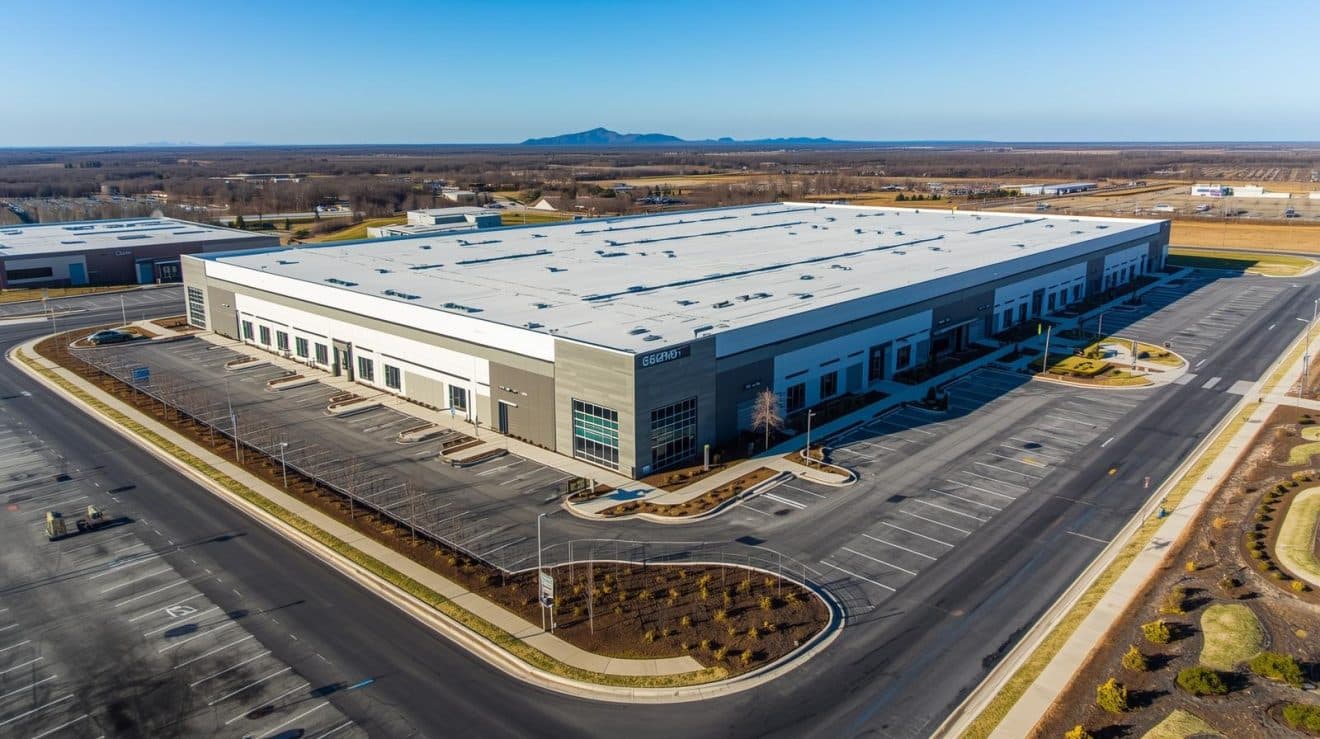
- Distribution and warehouse space serving port drayage, transload, and regional fulfillment
- Flex and light industrial buildings with office components for contractors, suppliers, and port-adjacent services
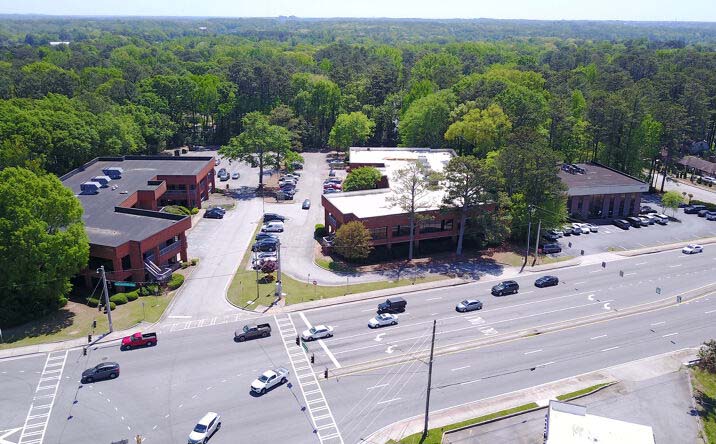
- Retail and service commercial along major corridors supporting residential and employment growth
- Owner-user and investment properties tied to logistics, manufacturing support, and regional trade
Clear height, dock count, yard depth, and power vary widely by vintage and submarket pocket. Tour with your operating requirements in hand rather than assuming port proximity alone defines building utility.
Circulation, access, and tour-day realities
Truck circulation, gate protocols, and peak-hour queueing matter as much as square footage. Ask how carriers access the site during morning and afternoon peaks, whether aprons support your equipment, and how storm drainage performs in low areas near pavement that radiates afternoon heat. Coastal humidity also stresses dock seals and roof envelopes—topics buyers should raise on second tours, not only on paper review.
Compare travel time to your customers, the port gates you use, and labor availability from surrounding communities. Pooler decisions are often network decisions, not just building decisions.
Questions tenants and buyers ask before committing
Strong diligence in this corridor usually includes:
- Lease or acquisition structure suited to equipment, yard storage, and hours of operation
- Environmental and use restrictions relevant to your trade
- Power and sprinkler capacity for actual occupancy, not brochure averages
- Flood and drainage history on the parcel and approach roads
- Competing supply coming online in the same logistics node
Your broker should align tours with live operating conditions when possible, especially during sustained heat when HVAC and yard performance diverge across assets.
How Swartz Co supports Pooler and coastal decisions
Employers and distributors also weigh labor availability from Savannah, Effingham County, and surrounding communities. Wage pressure, shift coverage, and commute patterns affect occupancy decisions as much as per-square-foot rent. Include HR and operations leads in early tours so building choices match hiring reality.
Owners marketing in Pooler should emphasize verifiable logistics features—dock spacing, column bay spacing, sprinkler and power specs, and recent capital spent on roof and pavement—rather than port adjacency alone. Buyers have seen enough generic “port proximity” language to discount claims without data.
Whether you are leasing, buying, renewing, or marketing an asset along the port corridor, start with requirements clarity and market context before tours stack. Review current listings, explore tenant representation if you need occupier-side advocacy, and use our industrial site visit checklist for Georgia buyers to keep walkthroughs disciplined. Coastal Georgia moves on logistics fundamentals—access, throughput, and operating fit—not generic square-foot comparisons alone.