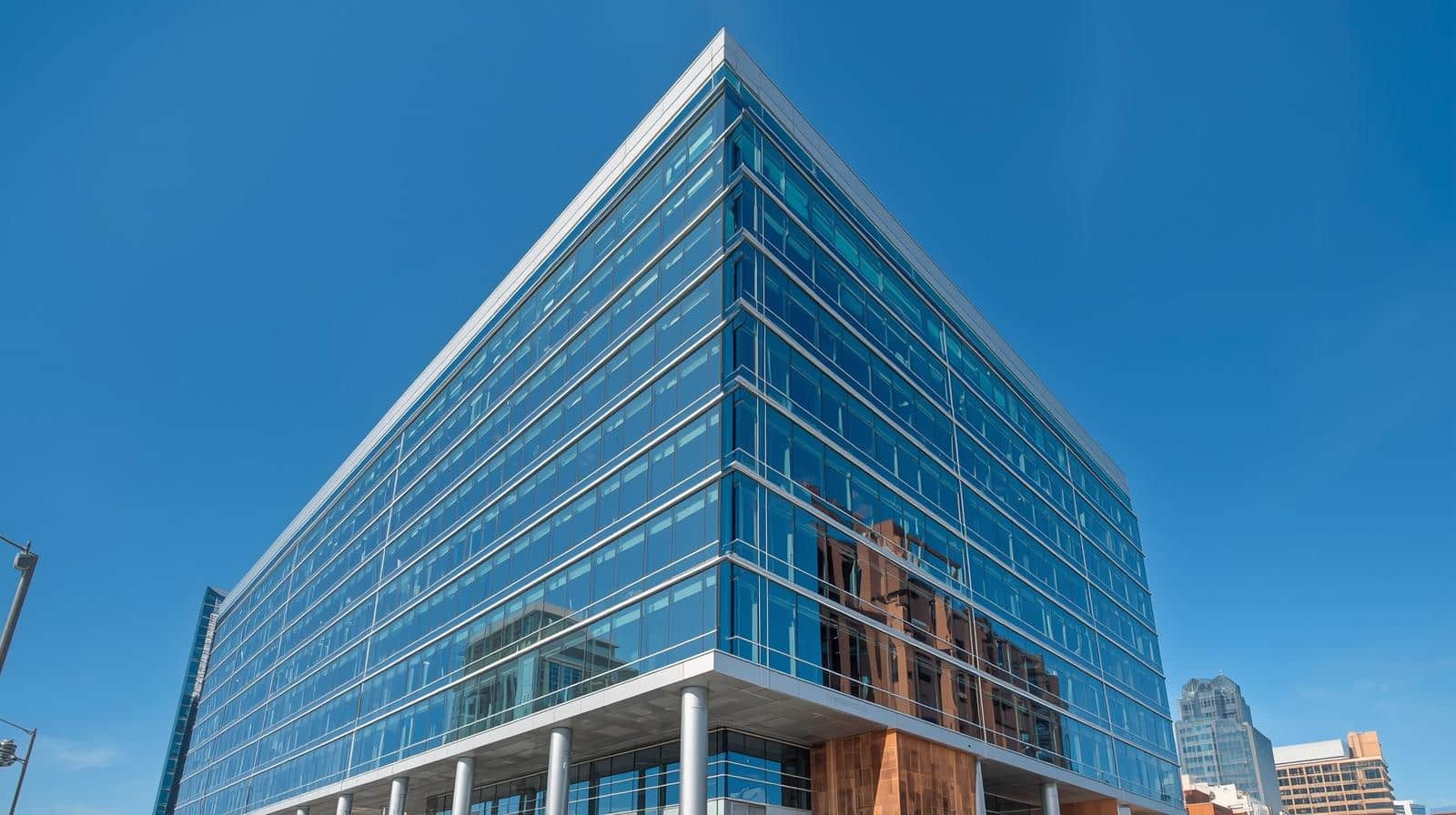

Why sustained heat matters before volume spikes
Georgia summers stress buildings differently than a single hot afternoon. Sustained heat raises ambient temperature around dock doors, increases refrigeration demand in cold storage adjacency, and pushes HVAC systems that were adequate in spring into overtime by late afternoon. Owners who wait until the first heat wave to test equipment often discover problems when repair calendars are already full.
Peak season for many logistics operators means longer shifts, more trailer dwell time at aprons, and higher internal heat from conveyors, forklifts, and packing stations. The building envelope and mechanical systems must handle both outdoor temperature and internal load at once. A roof that looked fine in spring can show membrane stress by mid summer when attic temperatures climb for weeks without relief.
For product context on distribution layouts and loading themes, see warehouse and distribution space on the main site. That page frames vocabulary; this article focuses on what owners verify on the ground before calendars tighten.
HVAC capacity and cooling load basics owners review
Start with what the system was designed to serve. Warehouse HVAC is often split between office pods, mezzanine areas, and minimal conditioning in high bay space. Ask whether tonnage matches current use, not merely the original tenant mix. A flex user with more office ratio than the prior occupant can overload a system that distribution tenants barely stressed.
Cooling load includes people, equipment, lighting, and infiltration through open bay doors. Owners should know whether make up air units are serviced, whether economizers function, and whether thermostat setbacks align with actual shift schedules. Document filter change intervals and whether condenser coils were cleaned before sustained heat arrives.
If you share a multi tenant park, ask how HVAC common costs are allocated and whether spare capacity exists for future build outs. Those answers rarely appear on a flyer yet they shape summer comfort and tenant retention. Flex users comparing office to bay ratios can scan flex industrial space for layout themes that affect cooling demand.
Roof condition and envelope checks before peak season
Roof work belongs on every pre peak checklist. Walk the interior on a sunny afternoon and note whether any bay shows daylight, staining, or insulation compression. From the ground, look for ponding, membrane blisters, or perimeter flashing gaps. Sustained heat accelerates thermal cycling; small issues become active leaks under afternoon storms common across Georgia.
Ask for plain language on roof age, recent capital projects, and warranty status. Distinguish between patch history and full membrane replacement. If the owner completed infrared scans or core samples, request summary results at a high level rather than waiting until diligence compresses your calendar.
Envelope questions extend to dock seals, door alignment, and whether strip curtains or air curtains are maintained. Heat enters where cold chain operators need stability most. Pair roof notes with yard and outdoor storage context from outdoor storage for commercial properties when trailers or containers sit outside for extended periods.
Industrial operations under sustained heat
Operations teams feel heat before executives see utility bills. Forklift battery charging areas need ventilation. Packing stations near south facing walls may need fan placement or shift adjustments. Cross dock flow that worked in mild weather can bottleneck when drivers and loaders slow in afternoon heat.
Review shift start times, break areas with shade or cooling, and whether loading schedules can rotate door exposure. Ask whether pavement and apron surfaces create radiant heat at docks facing afternoon sun. Some owners adjust trailer appointment windows to reduce simultaneous open doors, which lowers infiltration load on HVAC and refrigeration.
Power matters alongside cooling. Confirm whether electrical service supports added refrigeration or fan loads without nuisance trips. Panel directories and spare capacity questions belong in the same conversation as tonnage. Buyers evaluating acquisitions often reuse second tour question guide power prompts when return visits focus on mechanical rooms.
Utilities, refrigeration, and cold chain adjacency
Operators with cold storage or temperature sensitive inventory should verify backup power paths, alarm response, and whether generator tests occurred on schedule. Sustained heat increases run hours on compressors; maintenance deferred from spring shows up as failure rates in peak summer weeks.
Utility bills from prior summer months tell a story when owners share them at summary level. Compare kilowatt demand peaks to current occupancy and equipment. A vacant suite with idle HVAC still draws power; a fully occupied bay with outdated lighting may spike differently than marketing photos suggest.
When you compare several buildings, keep one tracker per address on current listings research and note mechanical findings beside loading and yard comments. Inland and coastal assets share heat stress yet differ on humidity and storm exposure; see areas we serve for Georgia coverage context.
Staffing, safety, and tenant communication
Heat plans belong in owner communication before peak season. Tenants need clear paths to report HVAC failures, roof leaks, or door seal issues. Property teams should know vendor response times and after hours contacts. Document who approves overtime for emergency coil cleaning or temporary cooling units.
Safety reviews include hydration stations, heat illness protocols, and whether high bay fans are anchored and guarded. Insurance and lease documents sometimes reference maintenance standards for mechanical systems; summarize those expectations for facility staff without turning the guide into legal interpretation.
Owners marketing space can prepare honest mechanical summaries through sell commercial property intake so listing conversations start with credible HVAC and roof facts rather than surprises on the first hot week.
Pre peak checklist owners reuse each year
Reuse the same prompts so notes stay comparable year over year:
- HVAC tonnage, service dates, and filter or coil maintenance completed this calendar year.
- Roof age, warranty, and any open leak tickets or patch maps from prior summer.
- Cooling load drivers: shifts, door cycles, refrigeration, and office ratio changes since last peak.
- Electrical spare capacity and whether recent equipment additions drew new load.
- Dock seals, air curtains, and infiltration paths at high traffic doors.
- Vendor contracts for emergency HVAC and roofing with response time expectations.
Align this list with walk through notes for compressed calendars when tours and maintenance windows compete for the same week.
How Swartz Co can help
We align pre peak reviews with acquisition strategy, lease timing, and seller expectations across Georgia industrial markets. Share your mechanical question list before site visits so we can sequence follow ups with listing parties and vendors efficiently. Start from our services, lease commercial property, or buy commercial property when occupancy decisions tie to purchase or renewal paths.
We do not guarantee an outcome on any property. We do help Georgia owners and buyers keep heat season reviews documented and aligned with operations reality. Tenants evaluating short term space while searching can review rent commercial property alongside purchasing industrial in Atlanta context. Browse the blog index for related diligence reading, or submit a property when you are marketing owner led opportunities.