


Published by Swartz Co Commercial Real Estate – Your Atlanta Industrial Property Specialists
The transformation of Atlanta’s industrial real estate market reflects the fundamental shift in supply chain strategies, with last-mile distribution centers and urban warehousing facilities commanding unprecedented attention from investors and developers. As e-commerce continues to reshape consumer expectations for rapid delivery, properties positioned close to population centers have become the most sought-after assets in commercial real estate portfolios.
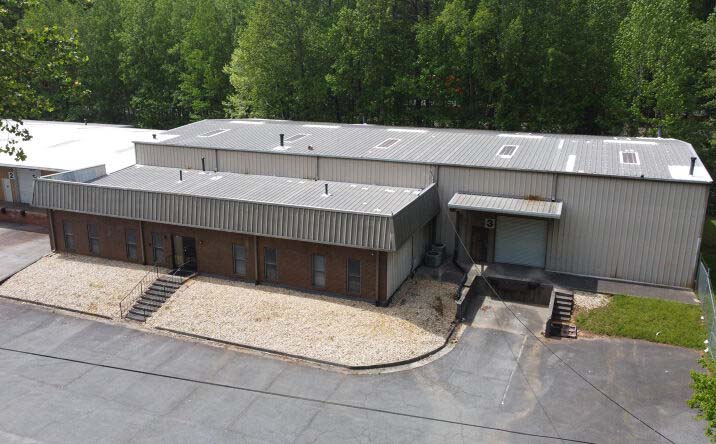
Metro Atlanta’s strategic advantages as a logistics hub continue to strengthen, with Hartsfield-Jackson International Airport, extensive rail networks, and intersection of major interstate highways providing unmatched connectivity. The emergence of urban infill industrial properties, particularly in areas like West Midtown, South Downtown, and the Bellwood Quarry vicinity, demonstrates how formerly overlooked sites now generate premium returns. These facilities feature optimal clear heights, multiple dock doors, and sophisticated material handling systems designed for rapid inventory turnover.
The economics of last-mile facilities reflect their critical role in modern commerce. While land costs in urban areas substantially exceed those in traditional industrial parks, the operational efficiencies justify the premium. Tenants willingly pay significantly higher rates for strategically located facilities compared to conventional warehouses. The ability to reach millions of consumers within short delivery windows creates value that transcends traditional real estate metrics. Additionally, these properties often feature enhanced parking ratios to accommodate delivery vehicle staging and increased employee counts associated with order fulfillment operations.
Technology integration distinguishes modern distribution centers from traditional warehouses. Automated storage and retrieval systems, robotics, and sophisticated warehouse management systems require properties with robust electrical infrastructure, reinforced flooring capable of supporting heavy machinery, and fiber optic connectivity. Properties that accommodate these technological requirements attract long-term tenants from major retailers, third-party logistics providers, and emerging quick-commerce operators. The convergence of physical infrastructure and digital systems creates competitive advantages that translate into stable, growing income streams.
The future of Atlanta’s logistics real estate market points toward continued evolution and opportunity. Multi-story warehouse developments, though rare in Atlanta currently, may emerge as land scarcity increases. Cold storage facilities for grocery and pharmaceutical distribution represent another growth segment, with specialized requirements commanding premium rents. For commercial real estate professionals, understanding transportation patterns, labor availability, and technological trends is essential for identifying and developing successful logistics properties. The last-mile revolution has fundamentally altered industrial real estate values, creating opportunities for investors who recognize the strategic importance of urban distribution infrastructure.