
If you're looking for space in metro Atlanta, "Atlanta submarkets" is the phrase that keeps showing up, and for good reason. It's just the local shorthand for the smaller pockets inside the larger region that actually tell you where your business is likely to work well, what it will cost, and what daily life there will feel like.
What atlanta submarkets actually are
Atlanta submarkets are the smaller commercial real estate zones inside the broader metro area. Instead of treating Atlanta like one giant blob on a map, brokers, landlords, and tenants break it into named areas such as Buckhead, Central Perimeter, Cumberland, Northlake, or Airport/Southside.
That matters because "Atlanta" by itself doesn't tell you much. A law firm looking for polished office space, a distributor needing trailer parking, and a retailer chasing weekday foot traffic could all say they want to be in Atlanta and end up needing completely different locations.
Think of submarkets like neighborhoods with business personalities. Each one gives you a quick read on pricing, access, building types, parking, nearby industries, and the kinds of companies already there. If you're hearing names like Midtown or Peachtree Corners and wondering why everyone keeps speaking in code, that's the code.
Why submarkets matter more than “atlanta” as a whole
Atlanta is too broad to guide a smart real estate decision. That's the core idea.
Picking the right submarket can save you more trouble than negotiating a few extra dollars off rent. A cheaper deal in the wrong area can cost you every day through harder commutes, missed customers, delivery headaches, and a location that never quite fits how your business operates.
A submarket shapes who can get to you easily, how long trucks sit in traffic, what kind of building stock is common, and what your employees deal with on a Tuesday morning at 8:15. It also shapes your expectations. Rent, parking, amenities, and building quality can shift fast from one Atlanta area to another.
What a submarket tells you at a glance
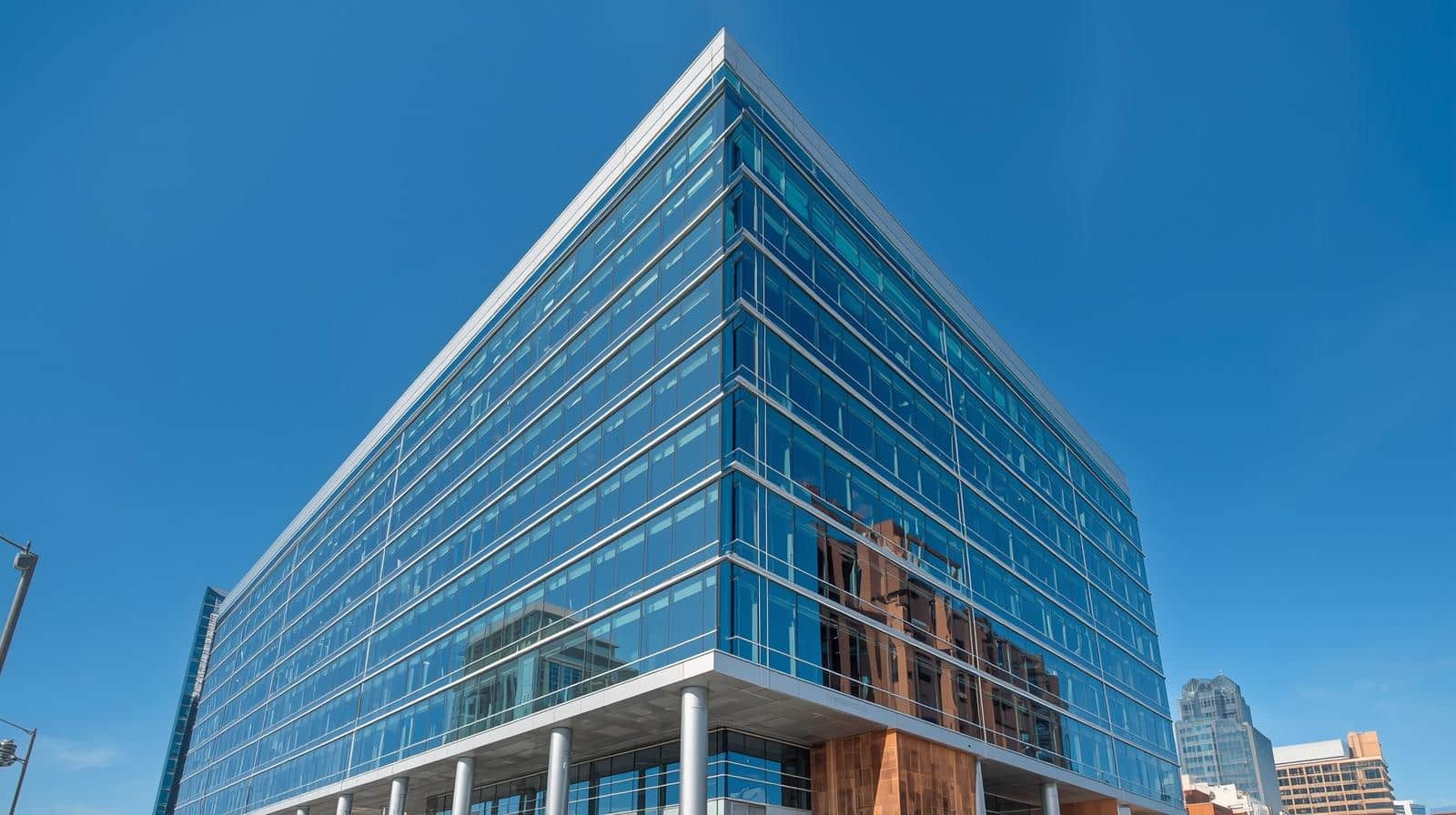
A submarket gives you practical signals fast. You can usually tell what kinds of properties dominate the area, whether that's high-rise office towers, older business parks, flex buildings, warehouses, or street-front retail.
You'll also get a sense of transportation access. Is the area close to MARTA? Is it built around interstate access? Does it work better for commuters, clients, or trucks? Those questions matter more than a pretty map pin.
A few real estate terms help here. "Inventory" just means the amount of space available in that area overall. "Asking rent" means the price landlords are advertising before concessions, build-out allowances, or negotiation. Once you know the submarket, those numbers start to mean something.
The catch with comparing one atlanta area to another
The catch is that two spaces can look similar online and perform completely differently in real life.
A 5,000 square foot office in Midtown and a 5,000 square foot office in Cumberland are not interchangeable. One may offer better walkability and transit. The other may give you easier parking and a simpler drive. The same goes for industrial space. A warehouse near major truck routes is a different tool than one tucked into a tighter, more congested pocket.
That difference is easy to miss until you drive it at rush hour or try to imagine your staff, customers, or vendors using it every day.
The main atlanta submarkets businesses usually compare
You don't need a giant directory to get oriented. Most searches narrow down pretty quickly once you understand the handful of submarkets that come up again and again.
Downtown, midtown, and buckhead
These are the intown names most companies recognize first. All three attract office users, especially businesses that care about image, talent access, and being close to other professional firms.
Downtown tends to appeal to groups that value central access, government proximity, and larger blocks of office space. Midtown has a more modern, walkable feel, with strong appeal for tech, creative, and knowledge-based teams that want restaurants, apartments, and transit nearby. Buckhead often carries the polished business address appeal, with strong visibility and a well-known name.
The tradeoff is simple: convenience and visibility often come with higher occupancy costs in certain buildings, tighter parking, and more traffic friction. If your business benefits from an energetic, connected setting, that can be worth it. If your team drives in from all corners of the metro, maybe not.
Central perimeter and Cumberland/Galleria
These are popular alternatives when you want strong office options without going fully intown. Both areas offer a lot of recognizable corporate space, access to major roads, and a mix of offices, hotels, retail, and restaurants.
Central Perimeter pulls interest because of GA-400, I-285, MARTA access, and its concentration of office buildings. Cumberland and the Galleria area win points for highway access, mixed-use development, and a setting that often feels easier to navigate by car.
Here's the thing: these submarkets often hit a useful middle ground. You can get quality office product, good amenities, and a business-friendly setting without paying for the exact same experience you'd get in Midtown or Buckhead.
Northeast atlanta: northlake, norcross, duluth, and peachtree corners
This side of the metro draws a broad mix of office, flex, and light industrial users. Much of the appeal comes down to I-85 access, established business parks, and a wide range of building choices.
Northlake and Norcross often come up in practical searches where function matters as much as appearance. Duluth and Peachtree Corners can offer a balance of office presence and operational flexibility, especially for businesses that need more than a standard office suite.
You also tend to see more variety here. Newer buildings, older value options, service space, office-warehouse combinations, and conventional suburban offices can all sit within the same general corridor. That range is useful if your needs are specific.
Airport, south atlanta, and aerotropolis areas
If your business moves people, goods, or both, this part of the region deserves serious attention. Proximity to Hartsfield-Jackson changes the equation for logistics users, travel-heavy companies, and businesses that rely on regional or national movement.
Camp Creek Parkway is one of those place names worth knowing because it gives the geography some shape. This area often appeals to distributors, airport-linked operations, and companies that want quick highway and flight access without pretending that a prestige office address is the priority.
The feel here is more functional than flashy. For the right user, that's exactly the point.
Northwest and west atlanta industrial corridors
These corridors matter most for warehouse, manufacturing, service, and delivery-oriented demand. Major interstate connections help, but the real issue is how space actually works for operations.
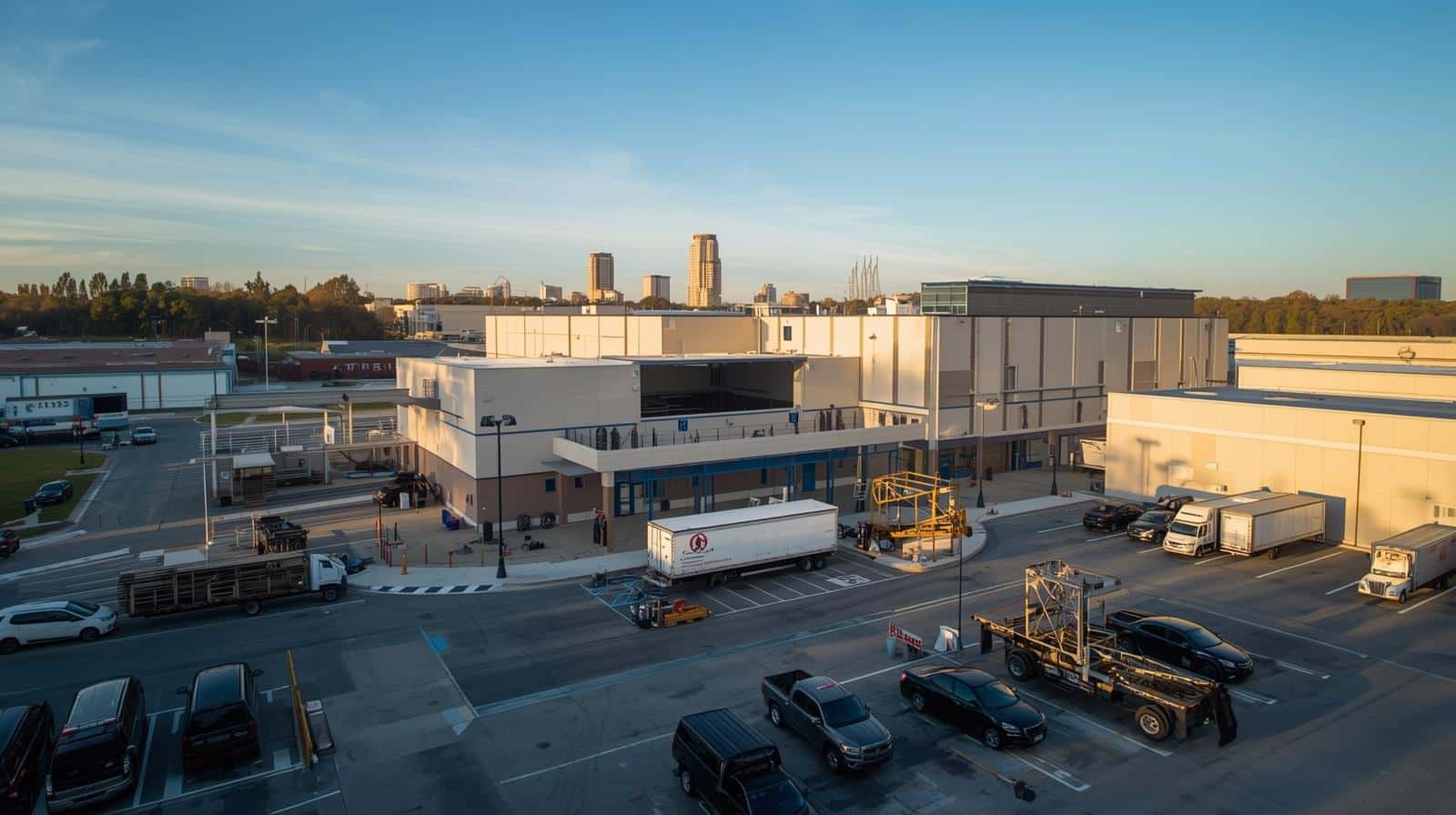
In these areas, truck access, trailer storage, loading configuration, and last-mile delivery routes can matter more than a polished lobby or trendy break room. A building that saves your drivers time every day is worth more than one that photographs well.
If your business depends on moving equipment, inventory, or crews efficiently, this side of the market often deserves a hard look.
How to match your business to the right atlanta submarket
The best submarket is not the one you hear about most. It's the one that fits how your business actually runs.
If you need office space
Start with how the space will be used. If clients visit often, a recognizable address, strong common areas, and nearby lunch spots may matter. If your office is mainly for internal work, commute ease and parking may beat prestige.
That gap matters more than people admit. A prestige address can be useful. A functional one can be better. If your team loses 25 minutes each way in traffic and struggles to park, the fancy lobby stops feeling impressive pretty fast.
If you need industrial or flex space
Flex space simply means a mix of office and warehouse space in one property. It's common in Atlanta and often works well for businesses that need a front office plus storage, light assembly, or shipping.
Here, practical building features matter fast: loading style, clear height, truck court depth, power capacity, zoning, and interstate access. A building can be in the right submarket and still be the wrong tool if the layout fights your operation.
If you need retail or customer-facing space
Retail choices should start with customer behavior, not just rent. Visibility, parking, surrounding businesses, and household density all matter, but only if your customer base actually spends time there.
A busy center in the wrong trade area won't save you. A quieter location near the habits of your real customers can. The trick is to match the site to actual demand, not just traffic counts or a familiar zip code.
If you need a hybrid setup
Some businesses need office plus showroom, warehouse plus front desk, or a small satellite space near clients. Certain Atlanta submarkets handle that mix better because the building inventory is more flexible.
This is where northeast Atlanta, airport-adjacent areas, and selected suburban corridors often stand out. You can sometimes get a better operational fit there than in a pure office district or a pure warehouse zone.
What to watch in each area before you sign anything
A listing can look perfect online and still be wrong in person. That happens all the time.
Commute friction, traffic, and transit access
A map pin is not enough. You need to look at drive times during actual business hours, not at 2:30 on a Sunday afternoon.
Being near a highway is not the same as being easy to reach. An exit bottleneck, awkward left turn pattern, or overloaded local road can change the whole experience. In office-heavy submarkets, MARTA access can also be a real advantage, especially if part of your team prefers transit.
Building type, age, and hidden fit issues
An attractive building can still miss where it counts. Parking ratio, loading access, electrical capacity, floor plate layout, ceiling height, and expansion room all affect daily use.
This is where fieldwork pays off. You notice if the dock is too tight, the parking lot feels jammed by 10 a.m., or the suite layout wastes half the space on awkward corridors.
Lease costs beyond base rent
Base rent is only part of the picture. Operating expenses, build-out costs, parking fees, moving costs, and landlord work allowances all affect your real number.
For first-time tenants, this is often the surprise. A lower advertised rate can end up costing more once those extras show up. You want the full occupancy cost, not just the headline number.
Common mistakes companies make when choosing atlanta submarkets
Most location mistakes are not dramatic. They're small shortcuts that stack up.
Chasing the cheapest rent
Cheap rent can get expensive fast. Saving on space but making hiring harder, deliveries slower, or customer visits less likely is like driving across town to save five dollars on groceries. The math stops working once you count the time.
A better deal is the one that supports the business, not the one with the lowest sticker price.
Picking a “known” area without checking fit
A familiar name can be reassuring, but famous submarkets don't automatically match your needs. Buckhead, Midtown, or the Airport area all mean something, but not the same thing for every business.
The right question is not "Is this a good area?" It's "Is this the right area for how your business works?"
Deciding from listing photos instead of fieldwork
Photos hide a lot. You need to see traffic flow, surrounding tenants, lunch options, parking pressure, and the overall feel of the blocks around the property.
Tour at the right time of day. Notice how the entrance works. See who else is nearby. A location often tells the truth in person within ten minutes.
A simple way to narrow your atlanta search
You don't need to know every submarket. You need a clean way to narrow the field.
Start with your non-negotiables
Write down the must-haves first: budget, commute radius, access needs, building type, timing, and the image you want the space to project. That trims the search much faster than browsing random listings and hoping something jumps out.
Compare two or three submarkets side by side
Shortlist two or three areas and compare them on rent, access, workforce fit, building availability, and room to grow. That's enough to make the tradeoffs real without getting lost in endless options.
Tour with a broker who knows the micro-differences
Submarket names are broad labels. The useful detail lives at the street level, which blocks drive well, which business parks fit certain uses, and which buildings look fine online but function poorly in person.
Try one simple thing before looking at a single listing: pick two Atlanta submarkets and compare them based on your top three needs. That small step usually changes the whole search for the better.
- Disclaimer: This article is for general informational purposes only. It is not professional advice, a quote, or a service agreement. Conditions at your home or property may differ; contact a qualified professional for an on-site evaluation before making repair, safety, or spending decisions.
Disclaimer: This article is for general informational purposes only. It is not professional advice, a quote, or a service agreement. Conditions at your home or property may differ; contact a qualified professional for an on-site evaluation before making repair, safety, or spending decisions.