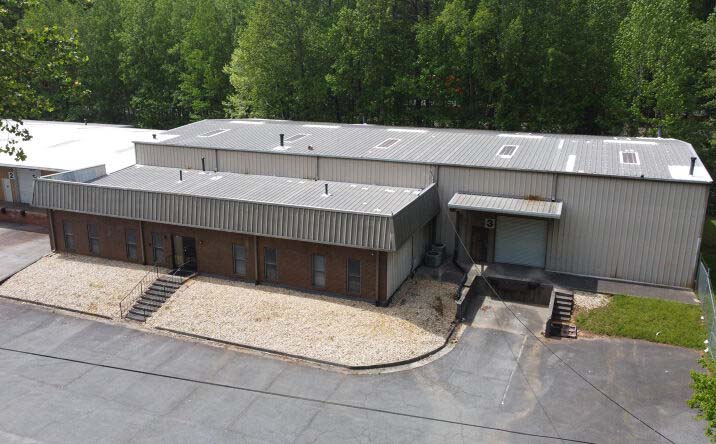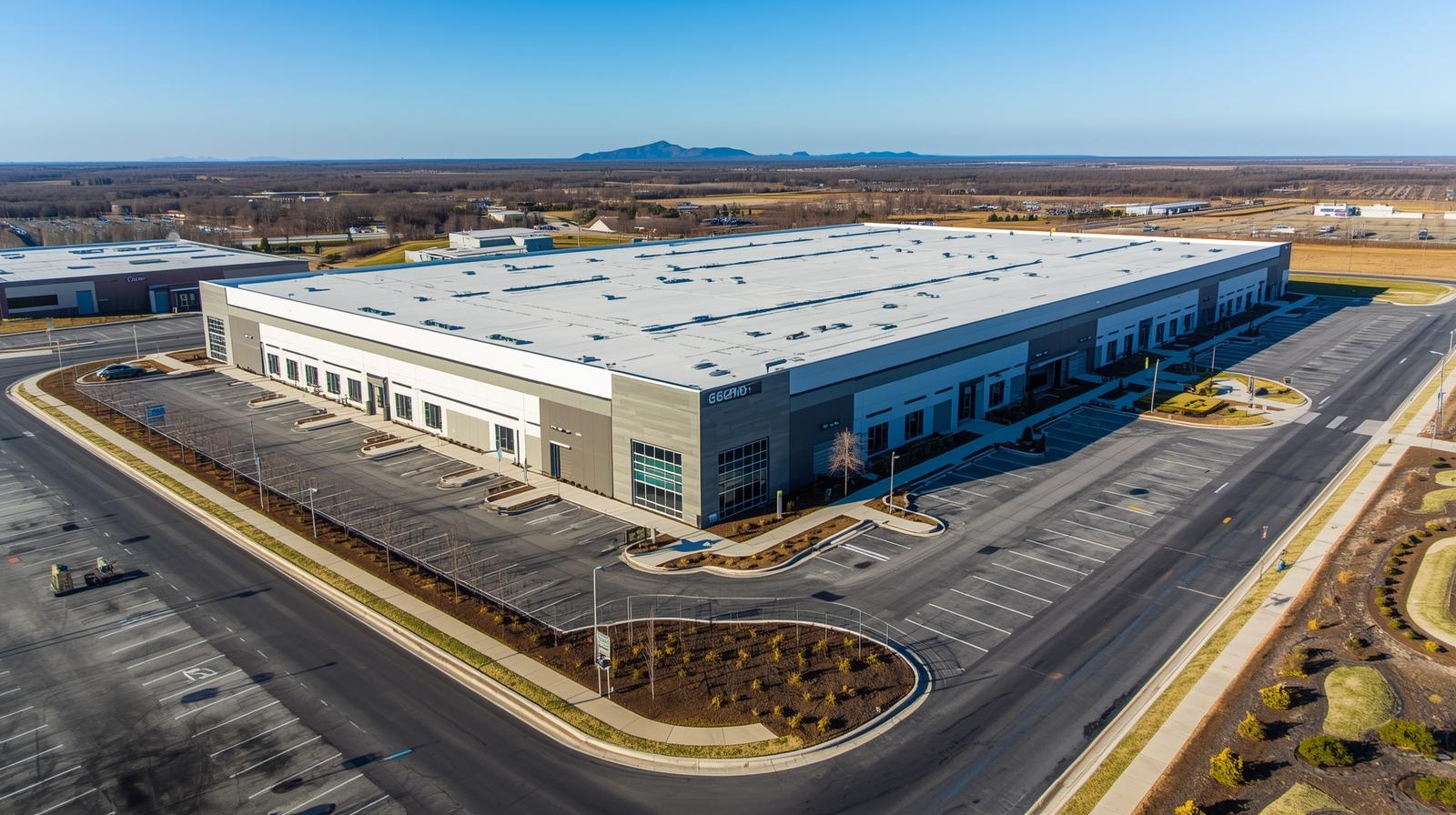

Mid-May across Georgia, second tours stack up fast. Buyers return with power, yard, roof, and lease-timing questions—and a harder deadline than they had on the first pass. Summer occupancy targets compress the calendar. Finance wants confirmation before Memorial Day traffic fills broker inboxes. This note helps teams decide whether to advance, pass, or request one more targeted visit before June. It is not legal or engineering advice.
When occupancy timing changes the conversation
On a first tour, scale and location dominate. On a second tour before a summer move-in date, buyers ask whether the asset can run the operation on the first occupied week—not whether the marketing renderings looked bright.
Lease roll timing, TI allowance realism, and shared truck court rules rise to the top because delay costs rent and payroll on both sides. Swartz Co Commercial Real Estate supports acquisitions statewide. Pair this read with our May second tour question guide while you are still building the list, and with second tour season walkthrough questions when you want phrasing buyers use on the pavement.
Write three must-prove items before you return
Second tours fail when everyone improvises new questions and nobody records answers. Choose three must-prove items: spare electrical capacity, roof capital in plain language, or whether two tenants can receive deliveries at once without blocking fire lanes.
Share the list with your broker before travel so the seller can place the right person on site. Reuse prompts from our industrial site visit checklist for Georgia buyers instead of rebuilding categories from memory on the drive to Savannah or Macon.
Reconcile the packet with what you already walked
Match the offering memorandum to open questions, not to your entire wish list. Note where bay dimensions, occupancy descriptions, or yard photos changed since the first visit. If the seller issued an updated flyer, highlight what changed on your question list.
Operations and finance on the same pavement
Bring operations back when rack layout, cross-dock flow, or yard staging is still open. Finance should hear lease abstract timing and capital questions—not guess clear height from photos. Agree internally on one primary questioner so the walk stays respectful for everyone on site.
If outdoor storage is in the business plan, read outdoor storage for commercial properties so screening, hours, and insurance expectations stay aligned with zoning summaries before you commit calendar to a third pass.
Power, loading, and interior fit under summer pressure
Second tours before occupancy often focus on details photographs flatten: floor joints, column spacing, door alignment, and whether panel directories match the flyer. Ask to see the electrical room when policy allows. Ask whether spare capacity is contractually reserved in shared parks.
Loading questions should be specific: door size, leveler type, apron depth, and whether port or rail access matters. Specific numbers help everyone respond before your move-in window closes.
Lease legacy on occupied buildings
When you buy occupied space, the second tour is when rent roll summaries meet the physical asset. Understand which leases roll during your hold period and which service contracts transfer. Bring the same rent roll summary you used in the broker meeting—not a fresh rewrite from memory.
Environmental and roof summaries buyers want before occupancy
Compressed occupancy calendars do not remove environmental or roof questions. They change how buyers phrase them. Ask whether phase one summaries note recognized conditions and who holds reports. Ask roof age and recent capital projects in plain years—not whether the roof looks fine from the parking lot.
When several assets compete for the same week, keep environmental and roof answers on the same tracker page you used for circulation notes.
Close with advance, pass, or one written clarification
Capture photos your policy allows, assign one owner to update the short list, and decide the same day whether you need a third pass, a written seller clarification, or a pass. Drift costs calendar for every party when summer occupancy is real.
Bring one page with three must-prove items, one page with open document requests, and permission to pass if a single item fails. That discipline respects everyone at the table and keeps summer move-in dates honest.