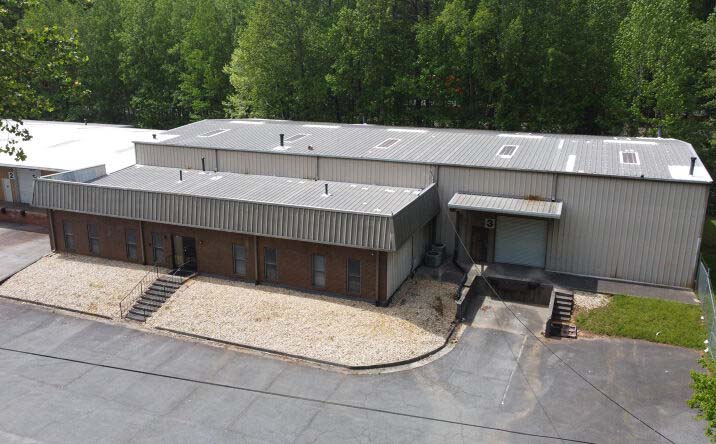

Second tour season in Georgia is when marketing gloss meets truck courts, roof lines, and lease language on the ground. Sellers hear the same clusters of questions once buyers return with operations and finance in the car. This note captures what buyers actually ask on the walkthrough—not what they wish they had asked after escrow opens. It is not legal or engineering advice. Swartz Co Commercial Real Estate supports acquisitions across the state.
What changes when buyers return with a shorter list
On a first tour, buyers often absorb scale and location. On a second pass they ask whether the asset can run their operation on Tuesday at peak—not whether the bay photos looked bright. They stop asking if the building is impressive and start asking if dock spacing, power labels, and yard rights match the rent roll they already read.
If your team is selling, treat the second tour as a confirmation visit with witnesses. If you are buying, arrive with three must-prove items and permission to pass if any fail. Pair this read with our second tour question guide while you are still building the list, and with broker meeting packet guide when materials are not assembled yet.
Clarify what the second tour must prove
A second tour should confirm or eliminate specific unknowns. Write those down: power adequacy, yard rights, roof condition visible from the interior, lease roll timing, or whether shared truck courts actually work at peak.
If outdoor storage is part of the story, read our companion note on outdoor storage for commercial properties so screening, hours, and permitted uses stay on the same page as the building envelope. Share the list with your broker before you travel.
Reconcile the marketing package with what you already saw
Match the flyer or offering memorandum to your open questions, not to your entire wish list. Note where photos, dimensions, or occupancy descriptions changed since the first tour. Flag gaps early so the listing broker can clarify before you return.
Walk circulation with a narrower lens
On the site plan, trace truck approach, dock face, employee parking, and shared drive aisles again—but this time test the friction points you marked after the first visit. Ask whether peak-season queues are common in the submarket. Stand where a driver would wait if two tenants receive deliveries at once.
In a multi-tenant park, ask how snow removal, pothole repair, and striping are funded. A second tour is a good time to watch another tenant's delivery if the seller can arrange it without disrupting operations.
Questions buyers say out loud on the pavement
On the second pass, buyers ask whether trucks can stage without blocking fire lanes, whether the roof was coated in the last five years, and whether any tenant stores materials outdoors overnight. They ask who pays for pothole repair in a shared park and whether another buyer is already in diligence. They ask to see the electrical room door open—not only the flyer amp count.
They ask whether environmental reports exist at summary level and who holds them. Frame answers as confirmations with documents attached when possible. "Does the phase one summary note any recognized environmental conditions?" invites a useful response.
Reuse a short diligence list
Second tours fail when everyone asks new questions and nobody records answers. Reuse the same prompts:
- Roof age and recent capital projects in plain language.
- Environmental phase one status at a summary level, plus who holds reports.
- Utility capacity labels and whether spare capacity is reserved for future tenants.
- Known encroachments, easements, or shared maintenance on truck courts.
- Outdoor storage rights, screening, and insurance expectations if yards matter to you.
Pair this list with our industrial site visit checklist for Georgia buyers if the first tour skipped a category you now need.
Lease legacy and occupied buildings
When you are buying occupied space, the second tour is often when lease abstracts and rent roll summaries meet the physical asset. Understand which leases roll during your hold period and which service contracts transfer. Bring the rent roll summary you prepared for the broker meeting—not a fresh rewrite from memory.
Power, loading, and interior fit
Second tours often focus on details photographs flatten: floor joints, column spacing, door alignment, and whether electrical room labels match the flyer. Loading questions should be specific: door size, leveler type, apron depth, and whether rail or port access matters to you.
Close the day with a decision
Capture photos your policy allows, note surprises, and assign one owner to update the short list. Decide whether you need a third pass, a written seller clarification, or a pass. If the property fails a must-have, say so internally the same day.