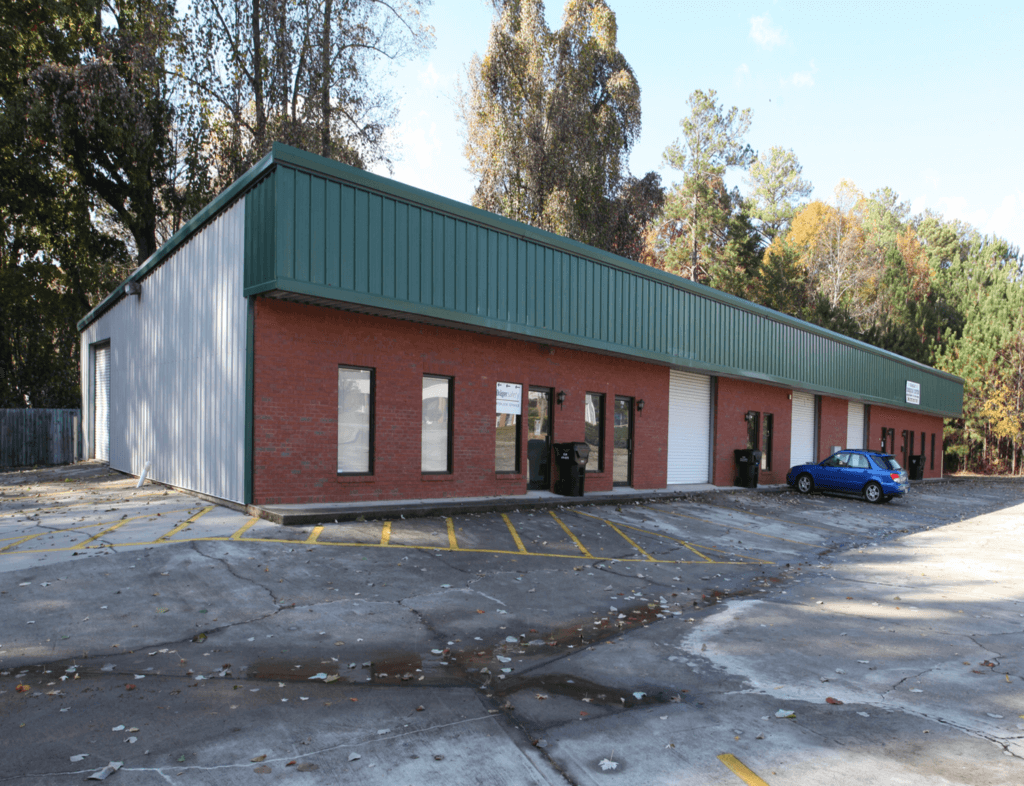



Buying or selling commercial property represents a significant financial decision. Whether you are acquiring your first investment property, expanding your portfolio, or selling assets to reposition your holdings, understanding the process helps you make better decisions and avoid costly mistakes.
The Atlanta commercial real estate market offers opportunities across industrial, office, retail strip, and flex properties. Each transaction involves unique considerations, but certain principles apply regardless of property type or transaction size.
Understanding When to Buy Commercial Real Estate
Timing matters in commercial real estate acquisitions. The right property purchased at the right time can provide solid returns. The same property bought under different circumstances might struggle to perform. Several factors should influence your decision about whether now is the right time to acquire commercial real estate in Atlanta.
Market conditions affect what you pay and what returns you can expect. When buyer competition is strong, prices rise and cap rates compress. This environment means paying more for properties but often comes with strong occupancy and rent growth. When markets soften, you may find better pricing but face more uncertainty about tenant demand and rental rates.
Interest rates significantly impact acquisition economics. Lower rates mean cheaper financing and better cash flow from rental income. Higher rates increase your borrowing costs and may require more equity to make deals work. Understanding how current rates affect your returns helps you evaluate whether properties meet your investment criteria.
Your investment goals should drive acquisition decisions more than market conditions alone. Are you building long term wealth through steady income? Looking for value add opportunities where you can improve properties and increase returns? Seeking shorter term trades based on market timing? Different goals require different acquisition strategies.
Capital availability affects your ability to act on opportunities. Having financing lined up or cash ready to deploy means you can move quickly when good properties become available. Many attractive deals go to buyers who can close with certainty and speed.
What Makes a Good Acquisition Opportunity
Not all properties that come to market represent good investments. Evaluating potential acquisitions requires looking beyond surface level information to understand what drives property value and returns.
Location fundamentals matter for any commercial property. Is the area growing or declining? What is the employment base? How do demographics align with the property type? A warehouse in an area losing industrial users faces different prospects than one near expanding logistics operations. Office space in a declining submarket presents different challenges than space in a growing corridor.
Property condition affects both your immediate costs and long term value. Deferred maintenance means capital expenditures soon after purchase. Building systems nearing the end of their useful life require replacement. Understanding what physical improvements the property needs helps you budget accurately and avoid surprises.
Tenant quality and lease terms determine your income stability. Properties with strong tenants on long term leases provide predictable cash flow. Buildings with weak tenants or near term lease expirations carry more risk. Reviewing actual lease documents rather than relying on summaries helps you understand what you are really buying.
Market rent compared to in place rent shows whether the property has upside potential or faces rolldown risk. If current leases are below market, you have opportunity to increase income as leases renew. If leases are above market, you may face pressure on income when tenants renegotiate or leave.
Operating expenses relative to income affect your net returns. Some properties run efficiently with reasonable expense ratios. Others have high costs that eat into your returns. Understanding why expenses run high helps you evaluate whether you can improve operations or need to accept lower margins.
Competition in the area influences how easy or difficult leasing will be. Strong tenant demand with limited available space gives you pricing power. Oversupplied markets mean you may struggle to maintain occupancy or achieve rent growth.
The Due Diligence Process Protects Your Investment
Once you identify a property to acquire, thorough investigation before closing helps you understand what you are buying and avoid expensive problems. Due diligence takes time and costs money, but these investments typically pay for themselves by preventing much larger issues.
Financial review involves examining actual operating statements, rent rolls, and lease documents. Sellers sometimes present properties more favorably than reality supports. Verifying income, understanding expenses, and confirming lease terms helps ensure the numbers you underwrote actually match the property performance.
Physical inspection identifies property condition issues that affect value or require capital investment. Walking the property with experienced eyes catches problems that might not show up in documents. Engaging professional inspectors for major building systems provides detailed assessment of conditions and remaining useful life.
Environmental assessment checks for contamination that could create liability or prevent use. Phase One studies review property history and current conditions for red flags. If concerns exist, Phase Two studies involve actual testing. Environmental problems can derail transactions or cost substantial money to remedy.
Title review confirms clean ownership and identifies any encumbrances that affect the property. Easements, liens, or restrictions can limit what you can do with property or create unexpected obligations. Understanding title issues before closing prevents problems that might not have easy solutions later.
Survey verification establishes exact boundaries and confirms no encroachments exist. Sometimes improvements cross property lines or neighboring structures encroach on your land. Knowing these issues exist before you close gives you opportunity to address them or adjust pricing.
Lease audit involves reviewing all tenant leases in detail. Understanding lease terms, options, responsibilities, and any special provisions helps you know what obligations you are assuming. Some leases contain terms that significantly affect property value or operations.
Zoning and compliance verification confirms the property operates legally under current regulations. Sometimes properties or uses predate current zoning and operate as legal nonconforming. Understanding your rights and restrictions helps you plan for the property after acquisition.
Structuring Commercial Real Estate Purchases
How you structure an acquisition affects your risk, returns, and flexibility. Several elements of deal structure deserve careful consideration beyond just the purchase price.
Contingencies protect you during the due diligence period by allowing you to walk away if you discover problems. Common contingencies include financing, inspection, environmental, and tenant approval. The length of your due diligence period affects how much time you have to complete investigations before you commit.
Earnest money deposits show sellers you are serious while giving you skin in the game. Larger deposits sometimes help you win competitive situations but increase your risk if you cannot close. Understanding when deposits become non refundable helps you manage risk appropriately.
Closing timeline affects both parties. Sellers often prefer quick closings to get their money and move on. Buyers need adequate time to complete due diligence and arrange financing. Negotiating timelines that work for both sides while protecting your interests requires understanding what really matters to each party.
Financing terms significantly impact your returns. Interest rates, amortization periods, prepayment penalties, and recourse provisions all affect the economics and risk of your acquisition. Shopping for financing and understanding your options helps you structure deals that meet your return requirements.
Assignment and assumption of leases transfers tenant relationships to you at closing. Understanding tenant rights, deposits held, and any disputes helps you prepare for property management after acquisition. Some leases require tenant consent for sale, which adds complexity to transactions.
Seller financing sometimes provides advantages over traditional lending. Sellers willing to hold notes might offer better terms or more flexibility than banks. These arrangements work when sellers want ongoing income and buyers need creative financing solutions.
When to Sell Commercial Property
Knowing when to sell requires honest assessment of both property performance and market conditions. Several situations might indicate the right time to dispose of commercial real estate.
Property performance that no longer meets your goals suggests considering disposition. If a building consistently underperforms your expectations and you see no clear path to improvement, holding it may prevent you from redeploying capital into better opportunities.
Market conditions sometimes create favorable selling opportunities. When buyer demand is strong and pricing reflects optimism about future performance, selling can lock in gains. Waiting for perfect conditions often means missing good opportunities to exit.
Portfolio rebalancing might require selling certain assets. As your holdings grow and evolve, some properties may no longer fit your strategy. Selling to reinvest in properties more aligned with your current goals makes sense even if individual properties still perform adequately.
Significant capital expenditure needs can trigger sale decisions. If a property needs major improvements and you prefer not to invest additional capital, selling before those needs become critical often yields better prices than waiting.
Life changes affect real estate decisions. Retirement, estate planning, partnership changes, or simply wanting to reduce management responsibilities all represent valid reasons to consider selling commercial property.
Positioning Property for Sale
How you present property to market affects both the price you achieve and how quickly you find buyers. Taking time to position property properly typically results in better outcomes.
Financial documentation needs to be clear and accurate. Buyers want to understand property performance, and clean financials help them underwrite quickly and confidently. Organizing rent rolls, operating statements, and capital expenditure histories before marketing saves time and creates better impressions.
Property presentation matters more than many sellers expect. Deferred maintenance, cleanliness issues, or poor curb appeal create negative impressions that affect value. Addressing obvious problems before marketing often returns more than the cost through better pricing or faster sales.
Tenant relationships should be stable before marketing. Dealing with significant tenant issues, upcoming vacancies, or lease negotiations complicates sales. Resolving these matters first typically leads to smoother transactions.
Market timing affects outcomes. Understanding current conditions, comparable sales, and buyer appetite helps you decide when to bring property to market. Sometimes waiting a few months makes sense. Other times moving quickly captures favorable conditions before they change.
Marketing Strategy Affects Results
How property gets marketed influences who sees it and what offers you receive. Different approaches work for different properties and situations.
Public marketing through listings and broker networks reaches broad audiences. This approach works well when you want maximum exposure and competitive bidding. The downside is that everyone knows your property is for sale, including your tenants.
Targeted marketing to specific buyer types makes sense for certain properties. If your industrial building would appeal to owner users in specific industries, reaching those prospects directly might yield better results than broad marketing. Understanding who would value your property most helps you focus outreach effectively.
Off market or quiet marketing maintains confidentiality while still finding buyers. Some sellers prefer limited exposure to avoid tenant concerns or competitive intelligence. This approach requires strong broker relationships to find qualified buyers without public listings.
Pricing strategy affects buyer response. Overpricing properties means fewer showings and longer marketing times. Underpricing might leave money on the table. Understanding comparable sales and current market conditions helps establish pricing that attracts buyers while maximizing your return.
Negotiating Sale Terms
Purchase price represents only part of sale negotiations. Other terms affect both the economics and your risk in transactions.
Due diligence periods give buyers time to investigate properties before committing fully. Shorter periods reduce your uncertainty and get you to closing faster. Longer periods give buyers comfort but extend the time your property sits tied up. Balancing these interests requires understanding what buyers reasonably need.
Earnest money amounts affect how serious buyers are and what you keep if they walk away without valid reasons. Larger deposits protect you from buyers who tie up your property without real intent to close. Reasonable deposits that do not scare away qualified buyers typically work best.
Closing timeline preferences vary. You might want quick closings to access your equity and move forward. Buyers might need time for financing or internal approvals. Finding timelines that work for both parties while protecting your interests requires flexibility and communication.
Representations and warranties in purchase agreements allocate risk between buyers and sellers. Understanding what you are promising about property condition, financial performance, and legal compliance helps you avoid unexpected liability after closing.
Working with Experienced Transaction Brokers
Acquisitions and dispositions involve complexity that benefits from professional guidance. Brokers who regularly handle commercial property transactions bring knowledge and experience that helps deals succeed.
Market knowledge helps with both acquisitions and dispositions. Understanding what properties have sold for recently, what terms are standard, and how current conditions affect transactions helps you make informed decisions. This knowledge comes from consistent activity in the market.
Access to opportunities matters for acquisitions. Many properties sell without broad public marketing. Brokers with strong networks hear about potential deals before general listings. This early access sometimes provides advantages in competitive markets.
Negotiation experience helps structure deals that work for all parties. Commercial transactions involve numerous terms beyond just price. Knowing which terms really matter and where compromise makes sense helps close deals efficiently.
Due diligence coordination keeps transactions moving forward. Brokers who regularly handle commercial sales understand what needs to happen, in what order, and how to keep buyers, sellers, lenders, and attorneys all working together toward closing.
Swartz Co and Commercial Property Transactions
At Swartz Co Commercial Real Estate, we work with buyers and sellers of commercial property throughout Greater Atlanta. Our experience includes industrial, office, retail strip, and flex properties across the metro area.
For acquisitions, we help clients identify opportunities that match their investment criteria, evaluate properties thoroughly, and structure transactions that protect their interests. Our market knowledge helps you understand what properties are worth and whether opportunities represent good value.
For dispositions, we help position properties for sale, reach qualified buyers, and negotiate terms that achieve your goals. We understand what buyers look for and how to present properties effectively.
Our presence throughout the Atlanta market gives us current knowledge of sales activity, pricing trends, and conditions affecting transactions. Whether you are buying or selling, we bring local expertise and attention to the details that affect whether deals close successfully.
Contact our team to discuss your acquisition or disposition needs in the Atlanta commercial real estate market. We are here to help you navigate transactions from initial evaluation through closing.