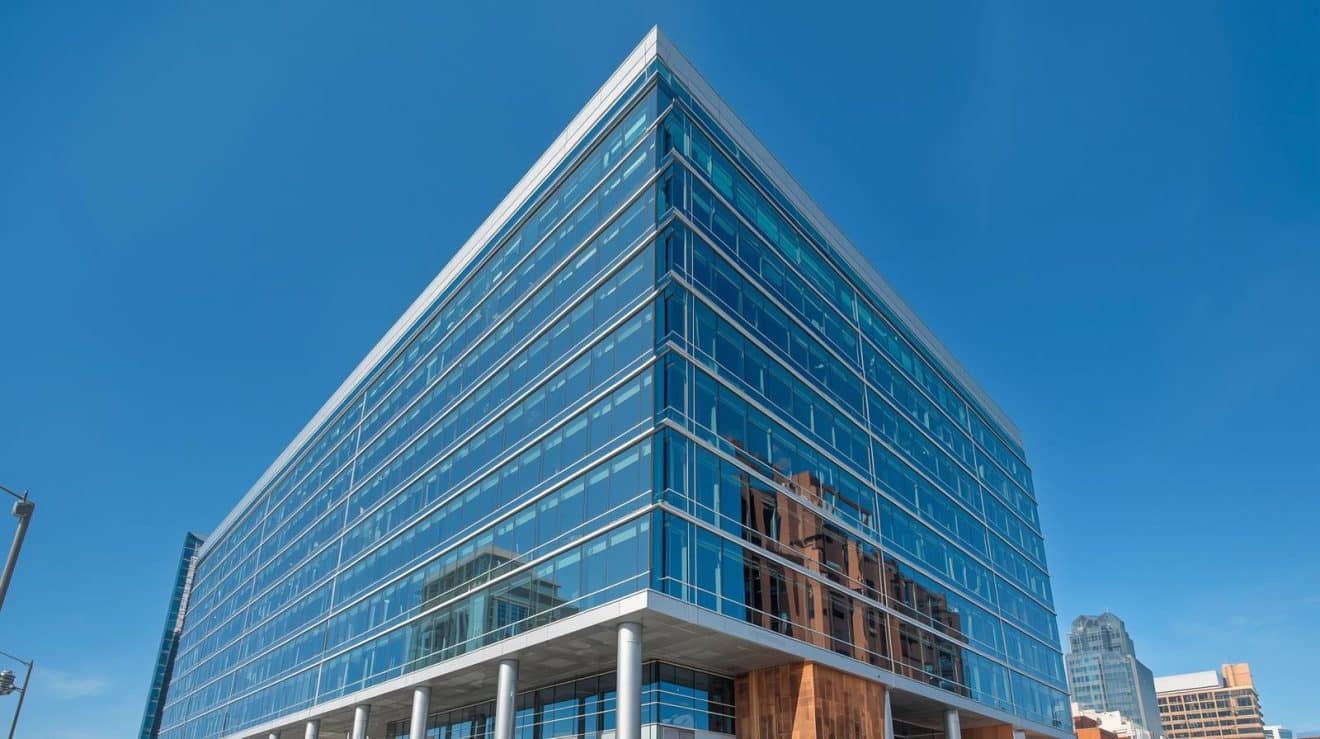


Picture of Swartz Co

Swartz Co

Real Estate as Your Business Grows in Atlanta

6

Business growth creates challenges and opportunities across all aspects of your operations, including where you locate and how much space you occupy. The commercial real estate decisions you made when starting out or at smaller scale often stop working as your company expands. Understanding when to reevaluate your space needs and what options make sense at different growth stages helps you avoid problems that hold back progress.

Companies in Greater Atlanta face real estate decisions repeatedly as they grow. Should you stay in your current location or relocate? Does leasing more space make sense or should you consider buying property? Can you accommodate growth in your existing building or do you need to move? These questions lack universal answers because every business situation involves unique factors.

Recognizing When Your Space No Longer Works

Growth sometimes happens gradually enough that space limitations creep up on you. Other times expansion happens quickly and space constraints become obvious fast. Several signs indicate your current commercial real estate situation needs reevaluation.

Running out of physical space represents the most obvious signal. When employees crowd into areas not designed for workstations, when inventory overflows designated storage areas, or when you cannot accommodate equipment your operations require, space has become a limiting factor.

Inefficient operations due to poor layout or inadequate facilities cost you money even if you technically fit within your space. Manufacturing operations spread across disconnected areas reduce productivity. Retail businesses without proper customer flow lose sales. Warehouse operations with suboptimal layouts waste time and labor.

Employee recruitment and retention challenges sometimes stem from space issues. Talented candidates might decline offers because your location creates difficult commutes. Current employees might leave for companies with better facilities or more convenient locations. Space decisions affect your ability to build and maintain strong teams.

Client or customer perception problems arise when your facilities do not match your business positioning. Professional services firms operating from dated or poorly maintained space create disconnect between their brand promises and physical reality. Retail businesses in declining centers struggle regardless of their own quality.

Lease expiration approaching provides natural opportunity to reevaluate needs. Rather than automatically renewing in your current space, expiring leases create decision points where you should assess whether your location and space still serve your business appropriately.

Financial pressure from occupancy costs that have grown to consume excessive portions of revenue indicates mismatch between your space and business economics. Sometimes this means you occupy more space than necessary. Other times it suggests your business has outgrown the rent levels your current space commands and you should consider upgrading.

Options for Accommodating Growth in Place

Before assuming you need to relocate, consider whether staying in your current location while adjusting your space makes sense. Several approaches allow growth without changing addresses.

Expanding into adjacent space within your building works when your landlord owns or controls additional area you could lease. This approach maintains your existing operations while adding capacity. However, adjacent space must actually be available and the layout must work for your needs.

Subleasing space you no longer need allows you to right size occupancy if your business has contracted or if you leased more space than you ended up requiring. This option depends on your lease allowing subletting and finding appropriate subtenants. Market conditions affect how easily you can sublease space and at what terms.

Reconfiguring your existing space sometimes accommodates growth without adding square footage. More efficient layouts, better space utilization, or converting underused areas to productive use can create capacity. This approach works best when your current space has inefficiencies you can address through redesign.

Negotiating lease modifications with your landlord might provide solutions without relocation. Early renewal with expansion rights, options to add space when it becomes available, or restructured terms that support your growth plans all represent possibilities worth discussing with building owners.

These in place solutions work best when you like your current location, the building meets your needs overall, and the modifications required are feasible and cost effective. They often involve less disruption than relocating but may not solve all growth challenges.

When Relocating Makes More Sense

Sometimes staying in your current location simply does not work regardless of modifications you might make. Several situations point toward relocation as the better path forward.

Insufficient space in your building with no expansion possibilities means relocation becomes necessary if you need more square footage. Buildings have finite capacity, and when you have maxed out available area with no room to grow, moving becomes your only option for adding space.

Location no longer serving your business well suggests relocation even if space is adequate. Markets change, customer patterns shift, employee residential areas evolve, and what worked years ago might not work now. When location creates problems for employees, customers, or operations, moving to a more appropriate area makes sense.

Building condition or functionality limitations affect some businesses as they mature and professionalize. The warehouse that worked fine when you started might lack the loading docks, ceiling height, or systems you now need. The office space that seemed adequate might not project the image you want as you grow.

Lease terms at renewal that do not work for your business create incentive to shop alternatives. Landlords sometimes push for rent increases or term changes that make your current space less attractive. Exploring market alternatives helps you understand whether staying makes financial sense.

Consolidation opportunities arise when companies occupy multiple locations that could potentially combine into single larger facilities. Moving from three small spaces into one appropriately sized building often reduces costs and improves efficiency.

Strategic business changes including acquisitions, new business lines, or shifts in business model sometimes require different real estate than what you currently occupy. When your business evolves significantly, your real estate needs often change correspondingly.

Evaluating Lease Versus Buy Decisions

As businesses grow and mature, the question of whether to continue leasing commercial real estate or to purchase property often arises. This decision involves financial, strategic, and operational considerations.

Capital availability represents the first practical consideration. Purchasing commercial property requires substantial capital for down payments and closing costs even with financing. Growing businesses must evaluate whether deploying capital into real estate serves their interests better than investing in core operations, equipment, inventory, or other business needs.

Financial comparison between leasing and owning requires analysis beyond just monthly costs. Property ownership involves debt service, property taxes, insurance, maintenance, and capital improvements. Leasing involves rent, operating expense pass throughs, and potentially improvement costs. Understanding total long term costs helps inform decisions.

Flexibility needs affect whether ownership makes sense. Leasing provides easier exit options if your needs change. Ownership commits you to properties that might not work if your business evolves. Companies expecting significant changes or uncertain about long term space needs often benefit from leasing flexibility.

Tax implications differ between leasing and owning. Lease payments are generally fully deductible operating expenses. Property ownership involves depreciation, mortgage interest deductions, and potential capital gains or losses on eventual sale. Understanding tax impacts requires consultation with your accountant but affects the economics significantly.

Balance sheet considerations matter to some companies. Real estate ownership adds assets and potentially debt to your balance sheet. This affects financial ratios, lending capacity for business operations, and how investors or partners view your company. Some businesses prefer keeping real estate off their balance sheets through leasing.

Market timing affects purchase decisions. Buying when property values and interest rates are favorable can create value. Purchasing in overheated markets or when financing costs are high might not make economic sense compared to continuing to lease.

Control and customization desires influence some decisions. Property owners can modify buildings extensively without landlord approvals. This flexibility matters to businesses with very specific facility requirements or who want ability to adapt space as needs change.

Long term occupancy plans should guide ownership decisions. Businesses expecting to stay in locations for extended periods benefit more from ownership than those anticipating moves. The longer you plan to stay, the more ownership economics typically improve relative to leasing.

Build to Suit as Alternative to Existing Space

Some growing businesses find that existing commercial properties do not meet their needs regardless of available options. Build to suit arrangements where properties get constructed specifically for your requirements represent another path worth considering.

Custom specifications allow buildings designed around your exact operational needs. Loading dock quantities and placements, ceiling heights, office to warehouse ratios, power capacity, and every other aspect can match your requirements rather than compromising to fit existing buildings.

Brand new construction provides modern systems, efficient design, and extended useful life before major capital needs arise. Starting with new buildings means years before facing significant maintenance or replacement expenses that older properties require.

Long term lease commitments typically accompany build to suit arrangements. Developers who construct buildings for specific tenants need commitments ensuring they will recover construction costs. These leases often run ten to twenty years, creating stability but reducing flexibility.

Lead time requirements mean build to suit projects take longer than leasing existing space. From site selection through design, permitting, construction, and occupancy often requires twelve to twenty four months. Businesses needing space quickly cannot wait for construction.

Cost implications vary depending on whether you lease build to suit space or purchase property and construct your own building. Both paths involve substantial commitments and expenses that require careful financial analysis.

Market conditions affect build to suit feasibility. In strong markets, developers may be willing to construct speculative buildings for creditworthy tenants. In weaker markets, you might need to purchase land and develop property yourself if you want custom construction.

Timing Your Real Estate Decisions with Business Cycles

When you make commercial real estate decisions affects both costs and outcomes. Understanding how timing impacts your options helps you plan appropriately.

Lease expiration dates create natural decision points but sometimes force decisions during inopportune periods. Planning well ahead of expirations gives you time to evaluate options thoroughly without time pressure that weakens your negotiating position.

Business performance cycles should influence real estate commitments. Making large real estate commitments during uncertain business periods creates risk. Companies perform better making these decisions from positions of strength with clear growth trajectories.

Market conditions in Greater Atlanta commercial real estate affect available options and pricing. Strong markets with low vacancy rates mean fewer choices and higher costs. Softer markets provide more negotiating leverage and better deals. Understanding current conditions helps you time moves advantageously.

Financing availability and costs vary over time. Interest rate environments affect purchase decisions significantly. Favorable lending markets make ownership more attractive. Restricted credit or high rates favor leasing.

Seasonal factors influence certain businesses differently. Retail companies hesitate making moves during peak holiday seasons. Tax preparation businesses avoid changes during their busy season. Manufacturing operations consider production schedules. Timing moves to minimize operational disruption matters.

Planning horizons should extend well beyond immediate needs. Making real estate decisions based only on current requirements often creates problems within a few years. Projecting needs three to five years out leads to better long term outcomes.

Analyzing Total Cost of Occupancy

Understanding what commercial real estate actually costs your business requires looking beyond just rent or mortgage payments. Several components combine to determine total occupancy expense.

Base rent or debt service represents the starting point but far from the complete picture. These payments constitute the largest single component but additional costs add substantially to total expense.

Operating expenses in leased space include your share of property taxes, insurance, common area maintenance, management fees, and other costs landlords pass through to tenants. Understanding how these charges work and what they total matters for accurate budgeting.

Utilities vary by building efficiency, your usage patterns, and who pays them. Some leases include utilities, others meter them separately. Older buildings generally consume more energy than new construction. Your operations might have high or low utility needs depending on equipment and hours.

Maintenance responsibilities differ by lease structure. Full service leases place most maintenance on landlords. Net leases make tenants responsible for many items. Owned buildings require you to handle all maintenance. These costs accumulate over time and should factor into occupancy expense analysis.

Improvement costs to prepare space for your use can be substantial. Tenant improvement allowances from landlords offset some costs in leased space. Owned buildings require you to fund all improvements. These upfront expenses amortize over your occupancy period.

Moving costs include physically relocating, which creates both hard costs for movers and soft costs from business disruption during transition. These one time expenses factor into decisions about whether to relocate or stay.

Parking costs appear in some markets, especially urban locations. Understanding parking expense for employees and visitors affects total occupancy costs in ways that can surprise businesses new to certain locations.

Impact on Employees and Operations

Real estate decisions affect more than just finances. How your choices impact employees and daily operations matters significantly to business success.

Employee commutes change when you relocate. Moving closer to where employees live improves satisfaction and retention. Moving farther away creates challenges keeping current staff and recruiting replacements. Understanding your employee residential patterns helps you evaluate location options.

Workplace quality affects productivity and morale. Better facilities, proper space for operations, good lighting and comfort, and amenities employees value all contribute to performance. Real estate decisions should consider operational impacts beyond just fitting within available space.

Client perceptions shift when you change locations or upgrade facilities. Moving to more prestigious addresses can enhance your brand positioning. Downgrading space or moving to less desirable locations might save money but could affect business development.

Operational efficiency improves or declines based on space functionality. Properly designed facilities support smooth operations. Poor layouts or inadequate space create friction that reduces productivity and increases costs.

Disruption during transitions affects business continuity. Moving requires planning and coordination to minimize interruption. Some businesses can relocate over weekends. Others need more extended transitions. The operational impact of changing space factors into decision timing.

Growth headroom in your space affects future flexibility. Choosing space with room to grow means you can add employees or equipment without relocating again soon. Maxing out space from day one creates problems as you continue expanding.

Getting Professional Guidance

Commercial real estate decisions involve complexity that benefits from experienced guidance. Several types of professionals can help you evaluate options and execute decisions effectively.

Tenant representation brokers help you understand market options, evaluate properties relative to your needs, and negotiate favorable lease terms. Their market knowledge provides context you need to make informed decisions about space.

Commercial real estate brokers with acquisition experience guide purchase decisions by helping you understand property values, evaluate investment merits, and structure transactions appropriately. Their perspective helps you avoid overpaying or buying inappropriate properties.

Financial advisors and accountants analyze the financial implications of lease versus buy decisions, tax impacts of different structures, and how real estate choices affect overall business finances. Their input helps you understand the numbers behind different options.

Attorneys review lease documents, purchase agreements, and other contracts to ensure terms protect your interests. Commercial real estate transactions involve legally complex documents that benefit from professional review.

Space planners and architects help you evaluate whether spaces will actually work for your operations. Their expertise in layout and functionality prevents choosing spaces that look adequate but prove problematic in practice.

Lenders provide financing for property purchases and sometimes for tenant improvements. Understanding financing availability and terms early helps you evaluate whether purchase options are feasible.

Working with Swartz Co for Growth Stage Decisions

At Swartz Co Commercial Real Estate, we help growing businesses in Greater Atlanta navigate real estate decisions that support their expansion. Our experience across property types and submarkets gives us perspective to guide your evaluation of options.

We help you assess whether your current space still works or if changes make sense. Our objective analysis considers your business needs, growth plans, and market alternatives to help you understand your best path forward.

We provide market intelligence about available space, pricing trends, and options across industrial, office, retail strip, and flex properties throughout Greater Atlanta. This knowledge helps you evaluate alternatives thoroughly.

We represent your interests in lease negotiations, purchase transactions, build to suit discussions, or expansion planning. Our goal centers on achieving outcomes that support your business success rather than just completing transactions.

We coordinate with other professionals you need including attorneys, lenders, architects, and contractors. Our experience managing commercial real estate transactions keeps processes moving efficiently.

We understand that real estate decisions affect your business operations, employees, and growth trajectory. Our approach considers these factors alongside financial and market considerations.

Contact our team to discuss your business growth and commercial real estate needs in Greater Atlanta. We are here to help you evaluate options and make decisions that support your success.