
Published by Swartz Co Commercial Real Estate – Your Atlanta Office Space Specialists
Atlanta’s office market continues to evolve in response to changing workplace dynamics, offering businesses diverse solutions that meet modern operational requirements. From traditional corporate headquarters to flexible workspace arrangements, the Atlanta metropolitan area provides a comprehensive range of office space options designed to support business growth and employee satisfaction.
Understanding the current office landscape and available solutions is essential for businesses seeking to optimize their workspace strategy in one of the Southeast’s most dynamic commercial markets.
The Modern Atlanta Office Market: Adaptation and Opportunity
Current Market Dynamics
Atlanta’s office market demonstrates resilience and adaptability, with landlords and tenants working together to create workspace solutions that meet contemporary business needs. The market has evolved significantly, with property owners investing in building improvements and amenities that enhance the workplace experience.
Key Market Characteristics:
- Diverse Inventory: Range of options from Class A towers to flexible office spaces
- Competitive Positioning: Atlanta remains cost-effective compared to coastal markets
- Amenity Focus: Properties emphasizing wellness, technology, and collaborative spaces
- Flexible Solutions: Increased availability of short-term and flexible lease arrangements
Geographic Distribution of Office Opportunities
Atlanta’s office market spans multiple submarkets, each offering distinct advantages for different business types and operational requirements.
Primary Office Submarkets:
- Midtown: Dense urban environment with transit connectivity
- Buckhead: Premium business district with corporate headquarters
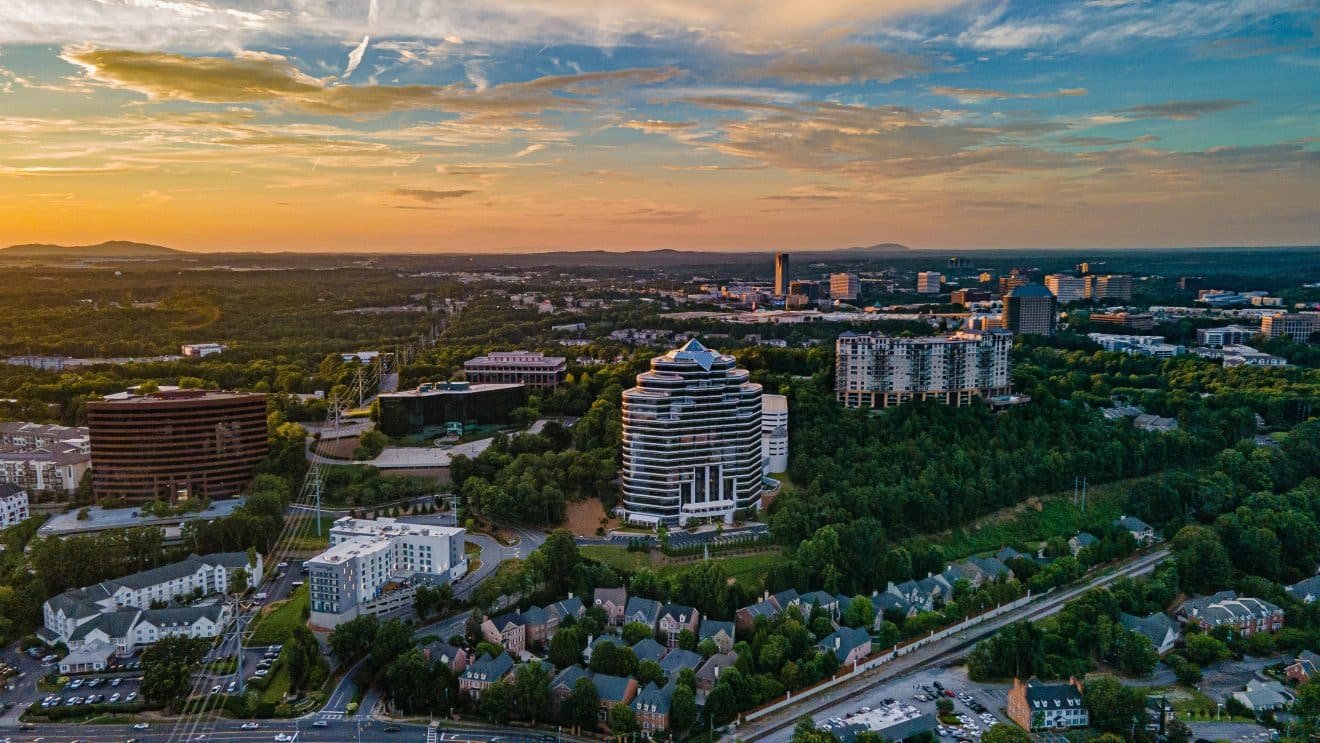
- Perimeter: Suburban office hub with parking and highway access
- Downtown: Central business district with historic and modern buildings
- Sandy Springs: Growing corridor with modern facilities
Workspace Solutions for Every Business Need
1. Traditional Office Leasing
Full-Floor and Multi-Floor Solutions For established businesses requiring dedicated space, traditional office leasing provides stability and customization opportunities.
Advantages:
- Space Control: Complete control over layout and design
- Brand Identity: Opportunity to create customized work environments
- Long-Term Stability: Predictable occupancy costs over lease terms
- Scalability: Option to expand within buildings or negotiate additional space
Ideal For:
- Established companies with stable workforce requirements
- Businesses requiring specialized equipment or infrastructure
- Organizations needing private meeting and conference facilities
- Companies with strong brand identity requirements
Lease Considerations:
- Term Length: Typically ranging from 3-10 years
- Tenant Improvements: Negotiable allowances for space customization
- Escalation Clauses: Understanding rent increase mechanisms
- Renewal Options: Securing favorable renewal terms
2. Flexible Office and Coworking Solutions
Adaptive Workspace Options Modern businesses increasingly seek flexible arrangements that can accommodate changing workforce needs and business growth patterns.
Benefits:
- Scalability: Ability to adjust space requirements as business needs change
- Cost Efficiency: Lower upfront investment and operational expenses
- Networking Opportunities: Access to diverse business communities
- Amenity Access: Shared facilities and services included in membership
Available Arrangements:
- Private Offices: Dedicated spaces within shared facilities
- Open Workspace: Flexible desk arrangements in collaborative environments
- Meeting Rooms: Access to conference facilities on demand
- Virtual Offices: Professional address and communication services
3. Hybrid Workspace Strategies
Balancing Remote and In-Person Work Many businesses are adopting hybrid models that combine remote work with strategic office space utilization.
Implementation Strategies:
- Hoteling Systems: Desk reservation systems for flexible attendance
- Collaboration Spaces: Areas designed for team meetings and project work
- Technology Integration: Systems supporting both in-person and remote participation
- Flexible Lease Terms: Arrangements that accommodate changing space needs
Space Planning Considerations:
- Utilization Rates: Understanding actual space usage patterns
- Collaboration Needs: Designing for team interaction and project work
- Technology Requirements: Infrastructure supporting hybrid work models
- Employee Preferences: Balancing individual and collaborative work styles
Atlanta’s Office Submarket Analysis
Midtown Atlanta: Urban Convenience and Connectivity
Market Characteristics: Midtown offers the most urban office experience in Atlanta, with excellent public transportation access and walkable amenities.
Advantages:
- Transit Access: MARTA rail and bus connectivity throughout the region
- Walkable Environment: Restaurants, retail, and entertainment within walking distance
- Cultural Amenities: Proximity to museums, theaters, and parks
- Diverse Building Stock: Options ranging from historic renovations to modern towers
Typical Tenants:
- Technology companies
- Creative and marketing agencies
- Professional services firms
- Non-profit organizations
Considerations:
- Parking: Limited availability and higher costs
- Traffic: Urban congestion during peak hours
- Costs: Generally higher rental rates than suburban markets
- Space Types: Primarily high-rise office buildings
Buckhead: Premium Business Environment
Market Characteristics: Buckhead maintains its position as Atlanta’s premier business district, offering prestigious addresses and high-end amenities.
Advantages:
- Corporate Presence: Concentration of Fortune 500 companies and major employers
- Professional Services: Close proximity to legal, financial, and consulting firms
- Dining and Entertainment: High-end restaurants and business entertainment venues
- Highway Access: Excellent connectivity to major transportation corridors
Typical Tenants:
- Financial services firms
- Legal and consulting practices
- Corporate headquarters
- Healthcare organizations
Considerations:
- Premium Pricing: Higher rental rates reflecting prestige location
- Competition: Strong demand from established businesses
- Parking: Available but at premium rates
- Building Standards: Emphasis on Class A properties with modern amenities
Perimeter Center: Suburban Office Hub
Market Characteristics: Perimeter Center offers a suburban office environment with the convenience of urban amenities and excellent transportation access.
Advantages:
- Parking Availability: Abundant parking at competitive rates
- Highway Access: Direct access to major interstates
- Mixed-Use Environment: Shopping, dining, and entertainment options
- MARTA Access: Rail connectivity to downtown and other submarkets
Typical Tenants:
- Regional corporate offices
- Technology companies
- Healthcare organizations
- Professional services firms
Considerations:
- Market Evolution: Ongoing redevelopment and modernization
- Competition: Significant inventory requires careful property selection
- Amenity Expectations: Tenants expect modern facilities and services
- Transportation: Good highway access but limited walkability
Sandy Springs: Growing Business Corridor
Market Characteristics: Sandy Springs has emerged as a significant office market, attracting businesses seeking modern facilities in a suburban setting.
Advantages:
- Modern Facilities: Newer construction with contemporary amenities
- Business Community: Growing concentration of professional services
- Residential Proximity: Access to quality workforce from surrounding areas
- Cost Efficiency: Competitive rental rates for quality space
Typical Tenants:
- Growing professional services firms
- Technology companies
- Regional offices
- Healthcare organizations
Considerations:
- Market Development: Continued growth and business community expansion
- Transportation: Primary reliance on highway access
- Amenity Development: Ongoing improvement in dining and services
- Competition: Increasing options requiring market knowledge
Key Considerations for Office Space Selection
1. Location and Accessibility
Transportation Factors:
- Employee Access: Consideration of workforce location and commuting patterns
- Public Transit: Availability of MARTA and other transportation options
- Highway Connectivity: Access to major interstates and business corridors
- Parking: Availability and cost of parking for employees and visitors
Business Environment:
- Industry Clusters: Proximity to complementary businesses and services
- Amenity Access: Restaurants, banking, and business services
- Professional Network: Opportunities for business development and networking
- Growth Potential: Area development and business expansion opportunities
2. Building Quality and Amenities
Essential Building Features:
- Technology Infrastructure: Adequate electrical, telecommunications, and internet capability
- HVAC Systems: Efficient heating, cooling, and ventilation systems
- Security: Building access control and security systems
- Elevator Service: Adequate capacity and reliability for building occupancy
Desirable Amenities:
- Fitness Facilities: On-site or nearby health and wellness options
- Conference Centers: Professional meeting and presentation facilities
- Food Service: Cafeterias, restaurants, or catering options
- Outdoor Space: Terraces, courtyards, or nearby parks
3. Lease Structure and Terms
Financial Considerations:
- Base Rent: Understanding rental rate structure and escalations
- Operating Expenses: Responsibility for utilities, maintenance, and common area costs
- Tenant Improvements: Allowances for space customization and buildout
- Security Deposits: Required deposits and guarantees
Lease Provisions:
- Term Length: Balancing stability with flexibility needs
- Renewal Options: Securing favorable renewal terms and conditions
- Expansion Rights: Options for additional space as business grows
- Assignment and Subletting: Flexibility for future business changes
Technology and Modern Workspace Requirements
Essential Technology Infrastructure
Connectivity Requirements:
- High-Speed Internet: Adequate bandwidth for business operations
- Redundant Systems: Backup connectivity and power systems
- Wireless Coverage: Comprehensive WiFi throughout office space
- Telecommunications: Modern phone systems and communication infrastructure
Smart Building Features:
- Access Control: Modern security and building entry systems
- Energy Management: Efficient lighting and HVAC control systems
- Space Utilization: Systems for monitoring and optimizing space usage
- Visitor Management: Professional systems for guest registration and management
Supporting Remote and Hybrid Work
Collaboration Technology:
- Video Conferencing: Professional meeting rooms equipped for virtual meetings
- Screen Sharing: Technology supporting presentation and collaboration
- Cloud Integration: Systems supporting remote file access and collaboration
- Mobile Integration: Seamless connection between office and mobile work
Flexible Space Design:
- Modular Furniture: Adaptable workspace arrangements
- Quiet Zones: Areas designed for focused individual work
- Collaboration Areas: Spaces optimized for team interaction
- Social Spaces: Areas supporting informal interaction and networking
Financial Considerations and Budgeting
Understanding Office Space Costs
Direct Costs:
- Base Rent: Primary occupancy cost per square foot
- Operating Expenses: Share of building maintenance and utilities
- Tenant Improvements: Costs for space customization and buildout
- Moving Expenses: Costs associated with relocation and setup
Indirect Costs:
- Parking: Employee and visitor parking expenses
- Utilities: Direct utility costs if not included in operating expenses
- Insurance: Commercial general liability and property insurance
- Maintenance: Ongoing costs for space maintenance and repairs
Budgeting Strategies
Cost Planning:
- Market Research: Understanding current rental rates and trends
- Space Efficiency: Optimizing layout to minimize required square footage
- Phased Occupancy: Strategies for gradual expansion as business grows
- Contingency Planning: Budgeting for unexpected costs and changes
Negotiation Opportunities:
- Tenant Improvement Allowances: Securing adequate funding for space customization
- Rent Escalations: Understanding and negotiating rent increase mechanisms
- Operating Expense Caps: Limiting exposure to uncontrolled expense increases
- Early Occupancy: Negotiating favorable terms for early space access
The Future of Atlanta’s Office Market
Emerging Trends
Workplace Evolution:
- Wellness Focus: Increased emphasis on employee health and wellness
- Sustainability: Growing demand for environmentally responsible buildings
- Technology Integration: Continued advancement in smart building features
- Flexible Solutions: Expansion of hybrid and flexible workspace options
Market Development:
- Mixed-Use Projects: Integration of office with retail and entertainment
- Transit-Oriented Development: Focus on properties with transportation access
- Suburban Revitalization: Continued development of suburban office markets
- Amenity Enhancement: Ongoing improvement in building and area amenities
Strategic Planning for Businesses
Long-Term Considerations:
- Growth Planning: Selecting locations that can accommodate business expansion
- Technology Readiness: Ensuring infrastructure can support evolving business needs
- Employee Attraction: Choosing locations that help attract and retain talent
- Market Positioning: Selecting addresses that support business development
Risk Management:
- Lease Flexibility: Securing terms that accommodate business changes
- Market Diversification: Considering multiple locations for business continuity
- Technology Backup: Ensuring redundant systems for business operations
- Financial Planning: Budgeting for changing market conditions
Working with Swartz Co Commercial Real Estate
Our Office Space Expertise
At Swartz Co Commercial Real Estate, we understand the complexities of Atlanta’s office market and the unique requirements of businesses seeking optimal workspace solutions. Our comprehensive approach includes:
Market Knowledge:
- Submarket Expertise: Deep understanding of each office corridor’s characteristics
- Building Relationships: Direct connections with building owners and managers
- Market Intelligence: Real-time information on availability and pricing
- Trend Analysis: Understanding of market evolution and future opportunities
Client Services:
- Needs Assessment: Comprehensive evaluation of workspace requirements
- Market Search: Systematic identification of suitable properties
- Lease Negotiation: Expert guidance through lease terms and conditions
- Project Management: Coordination of space planning and tenant improvements
Our Commitment to Client Success
Comprehensive Support:
- Initial Consultation: Understanding business objectives and workspace needs
- Market Education: Providing insights into Atlanta’s office market dynamics
- Property Tours: Coordinated visits to suitable properties
- Decision Support: Analysis and recommendations for optimal space selection
Transaction Excellence:
- Negotiation Expertise: Securing favorable lease terms and conditions
- Due Diligence: Thorough evaluation of properties and lease agreements
- Closing Coordination: Managing all aspects of lease execution
- Ongoing Support: Continued assistance throughout the lease term
Conclusion: Finding Your Ideal Atlanta Office Solution
Atlanta’s office market offers businesses a diverse range of workspace solutions designed to meet contemporary operational requirements. From traditional corporate headquarters in Buckhead to flexible coworking arrangements in Midtown, the market provides options that can support businesses of all sizes and industries.
Success in navigating Atlanta’s office market requires understanding the unique characteristics of each submarket, evaluating current and future business needs, and securing lease terms that provide both stability and flexibility. With proper planning and expert guidance, businesses can find office solutions that enhance productivity, support growth, and contribute to long-term success.
Ready to explore Atlanta’s office space opportunities?
Contact Swartz Co Commercial Real Estate today for:
- Comprehensive Market Analysis: Understanding of current office market conditions
- Property Identification: Access to suitable office spaces across Atlanta
- Lease Negotiation: Expert guidance through lease terms and conditions
- Strategic Planning: Long-term workspace strategy development
Let us help you find the perfect office solution for your business in Atlanta’s dynamic commercial market.
About Swartz Co Commercial Real Estate
At Swartz Co Commercial Real Estate, our singular focus lies in advancing the landscape of commercial real estate within Atlanta. We dedicate ourselves to gaining deeper insights into the nuances of the Atlanta market, empowering us to provide unparalleled guidance to our clients. From office space solutions and strategic leasing to market analysis and transaction management, we deliver innovative solutions and successful real estate ventures.
Contact Information:
- Website: swartzcocre.com
- Email: info@swartzcocre.com
- Phone: 678.973.2776
Commercial Properties for Sale | Atlanta’s Premier Office Space Specialists