


Retail strip centers represent a distinct segment of commercial real estate with unique challenges and opportunities. Whether you own a strip center that needs tenants or operate a business searching for retail space in Greater Atlanta, understanding how these properties work helps you make better decisions and avoid common problems.
Strip centers differ from enclosed malls, freestanding retail buildings, and other commercial property types in ways that affect both landlords and tenants. Success in this property category requires understanding tenant mix, visibility factors, lease structures, and the dynamics that make retail locations thrive or struggle.
What Makes Retail Strip Centers Different
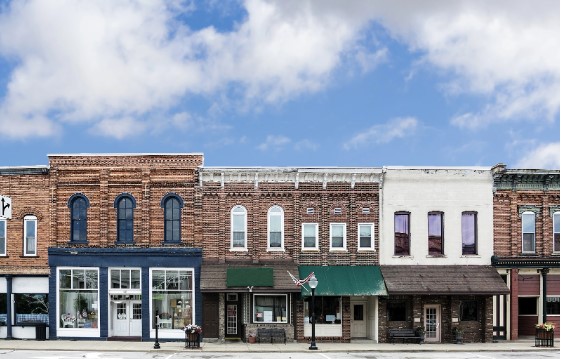
Retail strip centers typically consist of multiple storefronts in a linear building with parking in front. These properties range from small neighborhood centers with a few tenants to larger community centers anchored by grocery stores or other major retailers. The shared characteristics create both opportunities and complications.
Tenant interdependence means businesses in strip centers affect each other more than tenants in office or industrial buildings. A popular restaurant draws customers who might visit neighboring shops. A vacant storefront creates negative impressions that affect the entire center. Business failures hurt other tenants by reducing foot traffic. This interconnection requires thinking about the property as an ecosystem rather than just individual spaces.
Common area maintenance involves shared expenses for parking lot upkeep, landscaping, exterior lighting, and property insurance. These costs get allocated among tenants based on their square footage or other formulas. Understanding how these charges work matters significantly for both landlords setting budgets and tenants evaluating total occupancy costs.
Signage coordination affects how businesses present themselves while maintaining cohesive property appearance. Most strip centers have rules about sign sizes, lighting, and placement. Balancing tenant visibility needs with attractive overall presentation requires clear guidelines and consistent enforcement.
Operating hours and business types need compatibility. Retail tenants operating late at night might disturb neighbors who close earlier. Businesses generating noise, odors, or heavy traffic can create tensions with other tenants. Thinking through these interactions helps prevent conflicts.
Parking adequacy determines whether customers can easily access businesses. Insufficient parking drives potential customers away and hurts all tenants. Excessive parking wastes valuable land that could generate rent. Finding the right balance depends on tenant mix and typical traffic patterns.
Location Factors That Determine Retail Success
Where a strip center sits affects its performance more than almost any other factor. Retail depends on customer access, and location determines who can reach businesses easily and conveniently.
Traffic counts and visibility influence how many potential customers see businesses daily. Properties on major roads with high traffic volumes get more exposure than those on side streets. However, high traffic alone does not guarantee success if access proves difficult or visibility is poor.
Access and ingress affect whether customers can easily enter and exit properties. Centers on busy roads need well designed access points that allow safe turns. Properties with difficult access patterns discourage visits even from interested customers. Traffic signals, median cuts, and turn lanes all impact accessibility.
Demographics within the trade area determine what types of retail can succeed. Understanding who lives and works nearby helps evaluate whether specific retail concepts match the market. A neighborhood with young families supports different businesses than one with retirees or college students.
Competition in the area affects how well retail tenants can perform. Too many similar businesses nearby creates oversupply where everyone struggles. Some competition can be healthy by creating destination areas, but understanding the competitive landscape helps evaluate retail viability.
Surrounding development patterns influence retail success. Areas with strong residential density support neighborhood retail. Commercial corridors with office concentrations create lunch and service business opportunities. Mixed use developments can provide built-in customer bases.
Greater Atlanta offers diverse retail opportunities across different submarkets. Established areas like Buckhead and Sandy Springs have mature retail environments with strong demographics. Growing suburbs in northern areas like Alpharetta and Johns Creek provide expanding customer bases. Eastern areas in Gwinnett and DeKalb counties offer value opportunities with solid population density.
Understanding Retail Lease Structures
Retail leases typically use different structures than office or industrial space. Understanding these arrangements helps both landlords and tenants know what to expect and how to structure competitive deals.
Triple net leases are common in retail where tenants pay base rent plus their proportionate share of property taxes, insurance, and common area maintenance. This structure passes operating expense risk to tenants but typically results in lower base rents than gross lease arrangements.
Percentage rent provisions allow landlords to participate in tenant success beyond base rent. Under these arrangements, tenants pay additional rent when sales exceed specified thresholds. The percentage and threshold vary by industry and negotiation. These provisions align landlord and tenant interests but require clear definition of what sales count and how they get reported.
Common area maintenance charges require careful administration in retail properties. Landlords must budget accurately, bill tenants correctly, and provide annual reconciliations comparing estimated charges to actual costs. Tenants need to understand what expenses get included and verify charges are reasonable and properly calculated.
Expense caps sometimes get negotiated to limit tenant exposure to operating cost increases. These provisions protect tenants from uncontrolled expense growth but shift risk to landlords. Finding appropriate middle ground depends on property characteristics and market conditions.
Rent commencement timing often differs from lease execution in retail. Tenants typically need time to build out spaces before opening. Leases might provide free rent during construction periods or delay rent until businesses open. Understanding how these provisions work affects the economics for both parties.
Tenant Mix Strategies for Strip Centers
How landlords approach tenant mix significantly affects strip center performance. Strategic thinking about which businesses locate together creates environments where multiple tenants can succeed rather than compete or create conflicts.
Anchor tenants draw traffic that benefits smaller retailers. Grocery stores, pharmacies, or fitness centers generate regular visits from customers who might patronize other businesses in the center. Securing strong anchors often requires more favorable terms but provides value through the traffic they create.
Complementary businesses benefit from proximity to each other. Coffee shops and breakfast restaurants pair well with businesses that open early. Dry cleaners and convenience stores serve customers running errands. Creating clusters of complementary businesses encourages multiple stops per visit.
Competing businesses require careful consideration. Two pizza restaurants in the same small center divide the market and hurt both tenants. However, some competition can work if businesses differentiate enough or if the center is large enough to support multiple similar concepts.
Service businesses versus retail creates balance. Hair salons, medical offices, insurance agencies, and similar services generate steady traffic without competing directly with retail tenants. Mixing service and retail often creates stable occupancy.
Food and beverage tenants require special consideration around exhaust systems, grease management, trash handling, and operating hours. These businesses draw customers but create operational considerations other retail does not. Planning for these needs prevents problems.
Exclusive use clauses protect certain tenants from direct competition within the center. A coffee shop might negotiate that no other coffee retailers can lease space in the property. These provisions help tenants but limit landlord flexibility. Balancing reasonable protections with maintaining leasing options requires careful negotiation.
What Retail Tenants Look for in Locations
Businesses searching for retail space evaluate numerous factors beyond just the physical space. Understanding tenant priorities helps landlords position properties effectively and helps prospective tenants evaluate options appropriately.
Visibility from the road determines how easily potential customers notice businesses. Storefront positions at property ends often provide better visibility than interior locations. Signage placement and size affect how well businesses can attract attention from passing traffic.
Parking convenience matters enormously to retail customers. Spaces directly in front of storefronts get more use than those requiring longer walks. Properties where parking consistently fills discourage customers who cannot find convenient spots. Understanding parking patterns helps evaluate whether locations will work.
Frontage and storefront width affect business operations and marketing. Wider storefronts provide more window display area and better presence. Narrow spaces might work for some service businesses but limit options for retailers depending on visual merchandising.
Ceiling height and interior configuration determine what businesses can operate effectively. Restaurants need space for kitchens and proper ventilation. Retail shops need appropriate layouts for merchandise display. Service businesses have different requirements. Understanding whether spaces can accommodate intended uses prevents problems.
Surrounding tenant quality influences whether customers want to visit centers. Well maintained properties with successful businesses attract shoppers. Centers showing vacancy or deterioration discourage visits. Prospective tenants evaluate existing occupants when deciding whether locations will support their success.
Demographic alignment with business concept determines whether enough potential customers exist nearby. Fine dining needs affluent demographics. Dollar stores serve value conscious shoppers. Fitness studios target health focused populations. Understanding whether the surrounding area matches your customer profile matters critically.
Landlord Considerations for Strip Center Success
Property owners face specific challenges managing retail strip centers. Several factors affect your ability to maintain occupancy, achieve appropriate rents, and maximize property value.
Property presentation influences tenant interest and customer traffic. Clean, well maintained centers attract better tenants and more customers than those showing deferred maintenance. Landscaping, parking lot condition, exterior lighting, and building appearance all matter.
Marketing vacant spaces requires reaching appropriate tenant prospects. Some retail businesses come through broker networks. Others result from direct outreach to operators expanding in Greater Atlanta. Understanding where your target tenants look for space helps you market effectively.
Tenant screening takes on extra importance in retail because business failures hurt the entire property. Evaluating business concepts, operator experience, and financial strength helps you identify tenants likely to succeed. Weak tenants create problems through both vacancy and negative effects on other businesses.
Lease terms need to balance achieving rent targets with keeping spaces occupied. Pushing too hard on rent creates extended vacancies that cost more than modest concessions would. Being too flexible leaves money on the table and establishes low rent precedents.
Common area maintenance requires consistent attention and fair administration. Properties must stay clean and well maintained to support tenant success. Operating expenses need proper allocation among tenants. Annual reconciliations should be accurate and timely.
Tenant relationship management affects renewal rates and property reputation. Responsive communication, proper maintenance, and fair treatment create environments where tenants want to stay. Poor relationships lead to higher turnover and difficulty attracting quality replacements.
Common Challenges in Retail Strip Centers
Retail properties face recurring problems that affect performance. Understanding these challenges helps both landlords and tenants prepare appropriate responses.
Tenant turnover costs more in retail than many other property types. Beyond just re leasing costs, retail vacancies create negative impressions affecting remaining tenants. The interconnected nature of strip centers means one vacancy can trigger others if conditions deteriorate.
Seasonal fluctuations affect some retail businesses significantly. Restaurants might struggle during slow months. Tax preparation services have obvious seasonal patterns. Understanding these variations helps both landlords evaluate tenant viability and tenants budget for uneven cash flow.
Economic sensitivity means retail often feels downturns before other property types. When consumers reduce spending, retail businesses suffer. Properties with diverse tenant mixes typically weather challenges better than those concentrated in cyclical categories.
Parking disputes arise when customers cannot find convenient spaces or when tenants believe others receive unfair advantages. Managing parking fairly and ensuring adequate supply for peak times helps prevent these conflicts.
Maintenance coordination across multiple tenants requires clear processes. Who handles what repairs? How quickly do issues get addressed? When do common area improvements happen? Clear policies and consistent execution prevent frustrations.
Rent collection challenges occur more frequently in retail than office or industrial. Retail operates on thinner margins and faces more variable cash flow. Having clear policies about late payments and enforcement helps minimize problems while maintaining tenant relationships.
Property Management Impact on Retail Centers
How strip centers get managed affects both occupancy and tenant success. Quality management creates environments where retail businesses can thrive.
Common area maintenance directly impacts customer experience. Clean parking lots, functional lighting, attractive landscaping, and proper trash management all affect whether customers want to visit. Neglected common areas hurt every tenant.
Tenant communication keeps everyone informed and prevents surprises. Property managers should maintain regular contact with tenants, address concerns promptly, and coordinate about matters affecting operations. Good communication builds relationships that support long term occupancy.
Vendor coordination ensures necessary services happen reliably. Parking lot sweeping, landscaping maintenance, snow removal, and repairs all require proper scheduling and oversight. Properties that look neglected lose customers and tenants.
Lease administration includes tracking critical dates, implementing rent increases, calculating expense reconciliations, and enforcing lease terms. Proper attention to these details protects landlord interests while maintaining fair treatment of tenants.
Emergency response capability matters when urgent issues arise. Parking lot lighting failures create safety concerns. Plumbing problems affect tenant operations. Having reliable vendors who respond quickly minimizes disruption to retail businesses depending on steady customer flow.
Working with Retail Specialists
Both landlords and retail tenants benefit from working with commercial real estate professionals who understand retail properties specifically. Strip centers involve considerations that differ from office or industrial real estate.
Market knowledge about retail performance, typical lease terms, and current conditions in Greater Atlanta submarkets helps both parties make informed decisions. Professionals active in retail brokerage stay current on these factors through consistent market involvement.
Tenant mix expertise helps landlords create environments where multiple businesses can succeed. Understanding which retail concepts complement each other and how to position properties for different tenant types comes from experience with retail properties.
Site selection guidance helps retail businesses evaluate whether locations will support their success. Analyzing traffic patterns, demographics, competition, and access requires understanding what drives retail performance.
Lease negotiation experience with retail specific provisions like percentage rent, exclusive use clauses, and common area maintenance structures helps achieve fair terms. These specialized lease components require knowledge that general commercial brokers might lack.
Swartz Co and Retail Strip Properties
At Swartz Co Commercial Real Estate, we work with strip center owners and retail tenants throughout Greater Atlanta. Our experience includes landlord representation for property owners who need to fill vacant retail spaces and tenant representation for businesses searching for appropriate locations.
For landlords, we provide leasing services that help you maintain occupancy with quality tenants. We understand tenant mix strategies, how to market retail space effectively, and how to structure lease terms that work in the retail environment. Our knowledge of Greater Atlanta retail markets helps us position your property appropriately.
For retail tenants, we provide representation focused on finding locations that support your business success. We analyze demographics, traffic patterns, competition, and site characteristics to help you evaluate whether spaces will work. Our lease negotiation experience helps you achieve favorable terms.
We stay active in retail markets throughout the Greater Atlanta area, from established locations in Buckhead and Sandy Springs to growing suburbs in northern areas and value opportunities in eastern submarkets. This presence gives us current knowledge of available spaces, market conditions, and trends affecting retail properties.
Whether you need landlord representation to lease retail strip space or tenant representation to find the right location for your business, we bring experience with retail property considerations and attention to factors that affect success.
Contact our team to discuss your retail property needs in Greater Atlanta. We are here to help you navigate the retail real estate market and achieve your goals.