

Tenant Representation: Finding the Right Commercial Space in Greater Atlanta
Finding commercial space for your business in the Greater Atlanta area involves more than just looking at available listings and picking something that seems adequate. The space you choose affects your operations, costs, employee satisfaction, and growth potential for years. Making the wrong choice can create problems that impact your business long after you sign the lease.
Tenant representation means working with a commercial real estate professional who represents your interests as the business looking for space. This differs fundamentally from working with listing brokers who represent property owners or trying to navigate the search process on your own.
What Tenant Representation Provides
When you engage a broker for tenant representation, you hire someone whose job is finding space that meets your needs and negotiating terms that work in your favor. Their loyalty is to you, not to landlords or property owners.
Your representative helps you define your actual space requirements beyond just square footage. They ask questions about how your business operates, what your growth plans look like, and what factors matter most to your success. This discovery process often reveals needs you might not have considered on your own.
They search for available spaces that match your criteria across Greater Atlanta submarkets. This includes both publicly listed properties and spaces that might be available through broker networks before they get widely marketed. Access to more options increases your likelihood of finding space that truly fits.
They analyze total occupancy costs for properties you consider. Base rent tells only part of the story. Operating expenses, utilities, maintenance responsibilities, parking costs, and other factors all affect what you actually pay. Understanding the complete picture helps you compare options fairly and budget accurately.
They negotiate lease terms on your behalf. Commercial leases involve numerous provisions that affect your costs and flexibility. Having someone who negotiates these agreements regularly helps you achieve more favorable terms than you would likely get negotiating directly with landlords or their representatives.
They coordinate the transaction process from property search through lease execution. Commercial leasing involves multiple steps, documents, and parties. Professional management of this process keeps things moving forward and ensures details get handled properly.
Why Businesses Choose Tenant Representation
Many business owners start searching for space on their own. Some continue this approach, while others recognize that professional representation provides value that justifies working with a broker. Several factors influence this decision.
Time represents a major consideration. Searching for appropriate space, scheduling tours, analyzing lease terms, and negotiating agreements all consume hours you could spend running your business. Tenant representatives handle these tasks so your time stays focused on what you do best.
Market knowledge affects your ability to find suitable space and evaluate whether terms are competitive. Brokers who work in Greater Atlanta commercial real estate know what spaces are available, what similar properties rent for, and what lease structures are standard in different submarkets. This current market intelligence helps you make better decisions.
Access to properties expands significantly with professional representation. Some landlords only work through brokers. Some available spaces never get publicly listed but circulate through broker networks. Having representation ensures you see all relevant options, not just those you find on your own.
Negotiation experience helps achieve terms that protect your interests. Most business owners lease commercial space infrequently and lack experience with the various provisions in commercial leases. Brokers who negotiate these agreements regularly understand which terms really matter and how to structure favorable arrangements.
Objective analysis helps you evaluate options without emotional attachment. When you search for space yourself, you might fall in love with a property and overlook problems. Professional representatives provide objective assessment of whether spaces actually meet your needs and whether terms make financial sense.
Cost to you is typically nothing directly. In most commercial lease transactions, landlords pay broker commissions as part of the leasing process. This means you get professional representation without adding to your occupancy costs. The structure creates strong incentive to use tenant representation rather than going alone.
Understanding Your Space Needs
Before searching for space, clarifying what your business actually requires helps focus the search on appropriate properties. Several factors beyond just square footage determine whether space will work for your operations.
Location affects multiple aspects of your business. Where do your employees live? Longer commutes make it harder to attract and retain staff. Where are your customers? Retail businesses need locations customers can reach easily. What about suppliers or partners you interact with regularly? Proximity affects efficiency and costs.
The surrounding area communicates something about your business. Professional service firms often want established business districts that convey success and stability. Technology companies might prefer areas with other innovative businesses. Manufacturing operations need industrial zones where neighbors understand and accept this type of activity.
Space configuration determines whether you can actually operate effectively. Open layouts suit some businesses while creating problems for others that need privacy or separation between functions. Warehouse operations need certain ceiling heights and loading capabilities. Offices require appropriate meeting spaces and work areas for different team functions.
Growth plans should influence your space decision from the beginning. Will you need more square footage in two years? Leasing space too small means relocating sooner than ideal. Leasing space too large means paying for area you do not use. Some leases include expansion options that give you rights to adjacent space as you grow.
Parking needs vary by business type and location. Employee parking, customer parking, and loading areas all require consideration. Understanding parking ratios and whether properties provide adequate spaces prevents problems after you move in.
Different Property Types Serve Different Needs
Greater Atlanta offers various commercial property types, each serving different business requirements. Understanding these categories helps you focus your search appropriately.
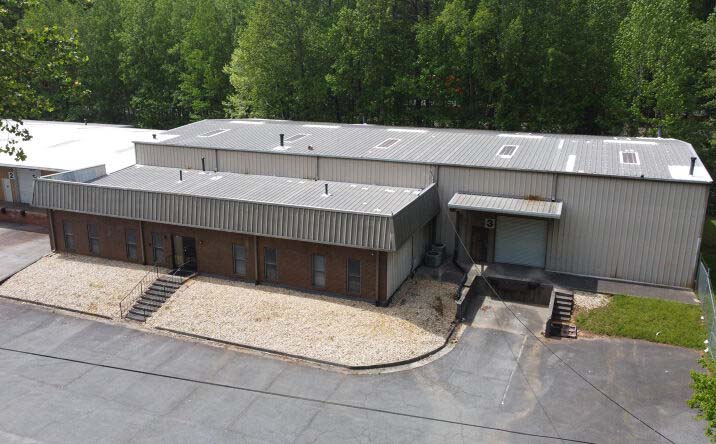
Industrial space suits businesses needing warehouse, distribution, or light manufacturing facilities. These properties typically feature loading docks, higher ceilings, open floor plans, and minimal office space. They locate in areas zoned for industrial use with good highway access and truck traffic accommodation.
Office space serves businesses whose primary functions involve desk work, client meetings, and professional services. These properties feature conference rooms, individual offices or open work areas, reception spaces, and parking appropriate for daytime business operations. They locate in business districts or office parks throughout Greater Atlanta.
Retail strip centers provide space for businesses serving consumers directly. These properties feature storefront access, visibility from roads, customer parking, and locations in areas with residential populations or traffic patterns that support retail activity. Individual spaces within centers vary significantly in size and configuration.
Flex space combines warehouse and office characteristics to serve businesses needing both types of area. These properties allow operations like light assembly, product storage, and administrative functions all under one roof. They typically offer less ceiling height than pure industrial space but more than standard office buildings.
Understanding which property type matches your business operations helps you search efficiently and evaluate whether specific spaces will actually work for your needs.
Greater Atlanta Submarkets Offer Different Advantages
The Greater Atlanta area includes numerous submarkets, each with distinct characteristics that affect business operations and costs. Understanding these differences helps you target your search to areas that match your priorities.
Buckhead provides prestigious addresses and attracts professional service firms, corporate offices, and businesses wanting high profile locations. The area offers upscale amenities and strong visibility but commands premium rental rates reflecting this positioning.
Midtown attracts technology companies, creative businesses, and organizations valuing walkable urban environments. The area combines office space with residential, dining, and cultural attractions. Transit access through MARTA appeals to businesses whose employees use public transportation.
Perimeter Center in Sandy Springs offers suburban office options with good highway access and established corporate presence. Many companies appreciate the central location within the metro area and more moderate costs compared to Buckhead or Midtown.
Northern suburbs including Alpharetta, Roswell, and Johns Creek provide modern business environments with good schools and residential areas that appeal to employees with families. These locations often offer newer properties and generally lower occupancy costs than closer in areas.
Eastern areas in DeKalb and Gwinnett counties provide commercial space at more affordable rates. These submarkets work well for businesses prioritizing cost efficiency while maintaining reasonable access to the broader Atlanta market.
Southern areas near the airport attract logistics, distribution, and businesses requiring proximity to air freight capabilities. Industrial and warehouse space concentrates in this direction due to transportation infrastructure and zoning patterns.
Western corridors provide access to Interstate 20 and serve companies with distribution routes heading west and south. These areas often offer larger available properties suitable for operations requiring significant space.
Each submarket has different typical rental rates, property types, available amenities, and tenant profiles. Matching your search to submarkets that align with your priorities helps you find appropriate options more efficiently.
Analyzing Total Occupancy Costs
Understanding what commercial space actually costs requires looking beyond just the base rent number. Several components combine to determine your total monthly expense for occupying space.
Base rent represents the starting point but rarely tells the complete story. This amount typically gets quoted per square foot per year. Converting this to monthly costs and multiplying by your square footage gives you the base rent portion of occupancy expense.
Operating expenses in most commercial leases get passed through to tenants beyond base rent. These might include property taxes, insurance, common area maintenance, property management fees, and other costs landlords incur. Understanding how these expenses get calculated and allocated helps you know your total obligation.
Utilities may be included in gross leases or separately metered and billed directly to you. Older buildings often consume more energy than newer construction. Understanding utility costs and who pays them affects total occupancy expense significantly.
Maintenance responsibilities vary by lease structure. Some leases place all maintenance on landlords. Others require tenants to handle interior maintenance, repairs, or even major building systems. Understanding what you will pay for maintenance helps you budget accurately.
Parking costs sometimes get included in base rent and sometimes get charged separately. Properties in dense urban areas might charge per space. Suburban properties typically include parking as part of the lease. Knowing parking costs helps you understand total occupancy expense.
Improvement costs to prepare space for your use can be substantial. Some landlords provide tenant improvement allowances. Others lease space as is. Understanding what improvements you need and who pays for them significantly affects your upfront costs beyond just monthly rent.
Comparing properties requires analyzing all these components together rather than just looking at base rent. A space with lower base rent but high operating expenses and minimal improvement allowance might cost more than one with higher base rent but more inclusive terms.
Lease Terms That Affect Your Flexibility and Cost
Commercial leases contain numerous provisions beyond just rental rates. Understanding key terms and how they affect you helps you negotiate effectively and avoid problems down the road.
Lease length determines how long you commit to the space. Longer terms typically result in lower rental rates but less flexibility if your needs change. Shorter terms provide more options but often come with higher costs. Your business stability and growth projections should guide this decision.
Renewal options give you the right to extend your lease beyond the initial term. These options provide security about staying in your location without needing to relocate. The specific terms matter significantly. How does renewal rent get determined? How much advance notice must you provide? Understanding these details helps you know what rights you actually have.
Expansion rights allow you to lease adjacent space if it becomes available during your lease term. These provisions support growth without forcing relocation. They work best when structured clearly about what space is included, how timing works, and what rent would apply.
Early termination provisions allow you to end your lease before the term expires under certain conditions. Some leases prohibit early termination entirely. Others allow it with penalties or specific notice periods. Having some flexibility helps if circumstances change unexpectedly.
Assignment and subletting rights affect what you can do if you need to exit the space or your business gets sold. Some leases allow transfers with landlord approval. Others prohibit transfers or make them very difficult. Understanding these limitations helps you evaluate how much flexibility you really have.
Rent escalations increase your payment over time. Fixed percentage increases, Consumer Price Index adjustments, or scheduled step ups all represent different approaches. Understanding how your rent will increase helps you budget for the full lease term, not just the initial year.
Negotiating From a Position of Knowledge
Lease negotiation determines the actual terms you agree to beyond just the asking rent. Several factors affect your negotiating leverage and what outcomes you can achieve.
Market conditions influence bargaining power significantly. High vacancy rates give tenants more leverage because landlords compete for fewer prospects. Tight markets with low vacancy shift power toward landlords who can be more selective. Understanding current conditions in your target areas helps set realistic expectations.
Your financial strength affects what terms landlords will accept. Strong businesses with solid financials can often negotiate more favorable terms. Newer or smaller businesses might face requirements for larger deposits, personal guarantees, or less flexibility. Understanding how your business profile affects negotiations helps you know what to expect.
Property characteristics influence leverage too. Unique spaces with specific features give landlords more power because fewer alternatives exist. Generic space with many comparable options provides tenants more negotiating leverage. Evaluating how your options compare helps you understand your position.
Time pressure affects both parties. Needing space urgently limits your ability to shop thoroughly and negotiate extensively. Having adequate time to evaluate multiple properties and negotiate terms improves your position significantly. Planning your space needs well in advance typically results in better outcomes.
Improvement needs create negotiation opportunities. If space requires significant work to suit your use, you have stronger arguments for tenant improvement allowances or rent concessions. Move in ready space provides less negotiating leverage on these points.
Common Mistakes Businesses Make
Companies leasing commercial space often make predictable mistakes. Understanding these common problems helps you avoid them in your own search and negotiation process.
Focusing only on base rent while ignoring total occupancy costs leads to budget surprises. Operating expenses, utilities, maintenance, and other factors significantly affect what you actually pay. Comparing properties based on total costs provides more accurate evaluation.
Failing to plan for growth creates problems when you need more space but remain locked in a lease. Thinking through growth scenarios and structuring appropriate flexibility helps avoid expensive early relocation or operating in cramped conditions.
Not reading the actual lease document before signing leads to surprises about obligations and costs. Commercial leases contain details that matter significantly. Understanding what you agree to prevents disputes and problems later.
Choosing space based on the wrong priorities sometimes happens when businesses focus on factors that seem important but do not actually affect success. Prestigious addresses cost more but might not deliver value if your customers never visit your location. Understanding what really matters to your business helps you make better choices.
Negotiating poorly or not at all because of inexperience or discomfort with the process leaves money on the table. Commercial lease terms are negotiable. Working with experienced representation helps you achieve better outcomes than accepting initial proposals without discussion.
How Swartz Co Provides Tenant Representation
At Swartz Co Commercial Real Estate, we represent businesses searching for industrial, office, retail strip, and flex space throughout Greater Atlanta. Our approach focuses on understanding your needs, finding appropriate options, and negotiating terms that support your success.
We start by discussing your business operations, growth plans, location preferences, and budget parameters. This discovery process helps us understand what you actually need beyond just square footage targets.
We search for available spaces that match your requirements across Greater Atlanta submarkets. Our market knowledge and broker network relationships give us access to both listed properties and opportunities that might be available through professional channels before public marketing.
We analyze total occupancy costs for properties you consider so you understand the complete financial picture. Our experience helps you compare options fairly and identify which spaces provide the best value for your specific needs.
We negotiate lease terms on your behalf to achieve favorable provisions around rent rates, improvement allowances, lease length, renewal options, and other factors that affect your costs and flexibility. Our regular work with commercial leases helps us understand what terms are reasonable and where you have leverage.
We coordinate the entire process from initial property search through lease execution. Our management of transaction details keeps things moving forward efficiently and ensures necessary steps get completed properly.
Our active presence throughout Greater Atlanta gives us current knowledge of available spaces, market rental rates, and submarket conditions. This local expertise helps us guide you to appropriate properties and negotiate effectively.
Contact our team to discuss your commercial space needs in Greater Atlanta. We are here to help you find space that supports your business operations and negotiate terms that work in your favor.