


Published by Swartz Co Commercial Real Estate – Your Atlanta Food Service Property Specialists
Ghost kitchens, also known as cloud kitchens or dark kitchens, have revolutionized Atlanta’s commercial real estate landscape, creating an entirely new asset class that bridges industrial and retail property types. These delivery-only food preparation facilities have proliferated across Metro Atlanta, driven by changing consumer behaviors and the economics of food service operations in an increasingly digital marketplace.
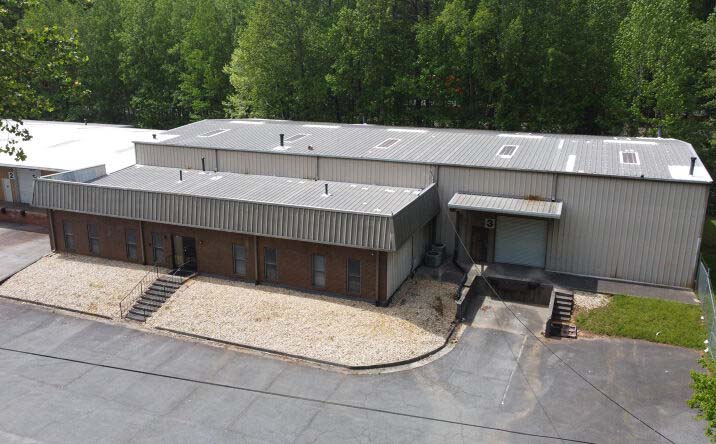
The typical ghost kitchen facility encompasses thousands of square feet, subdivided into individual kitchen stations optimized for efficiency. These spaces feature commercial-grade ventilation systems, grease traps, three-compartment sinks, and dedicated areas for delivery driver staging. Strategic locations near population centers but outside high-rent retail corridors make properties along Interstate 285, particularly in the Chamblee-Doraville area and South Fulton County, prime targets for ghost kitchen development.
From an investment perspective, ghost kitchens offer compelling metrics. Conversion costs for industrial spaces are significantly less than building traditional restaurants, while achieving substantially higher rents than standard industrial space. The multi-tenant model reduces vacancy risk, while shorter lease terms provide flexibility to adjust rents in response to market conditions. Additionally, triple-net lease structures transfer operating expenses to tenants, improving net operating income predictability.
The operational efficiency of ghost kitchens appeals to both established restaurant brands and emerging food concepts. Without front-of-house space, operators reduce labor costs considerably while maintaining multiple virtual brands from a single kitchen. This model enables rapid market testing and menu experimentation with minimal capital investment. For property owners, the diversity of tenants from national chains to local entrepreneurs creates a resilient income stream resistant to individual business failures.
As delivery platforms continue to expand and consumer preferences shift toward convenience, ghost kitchens represent a growth opportunity in commercial real estate. Properties with appropriate zoning, utility infrastructure, and proximity to residential areas are increasingly valuable. Understanding health department requirements, delivery logistics, and technology integration is crucial for developers and investors entering this space. The ghost kitchen revolution demonstrates how commercial real estate adapts to technological disruption, creating value through innovative property utilization.