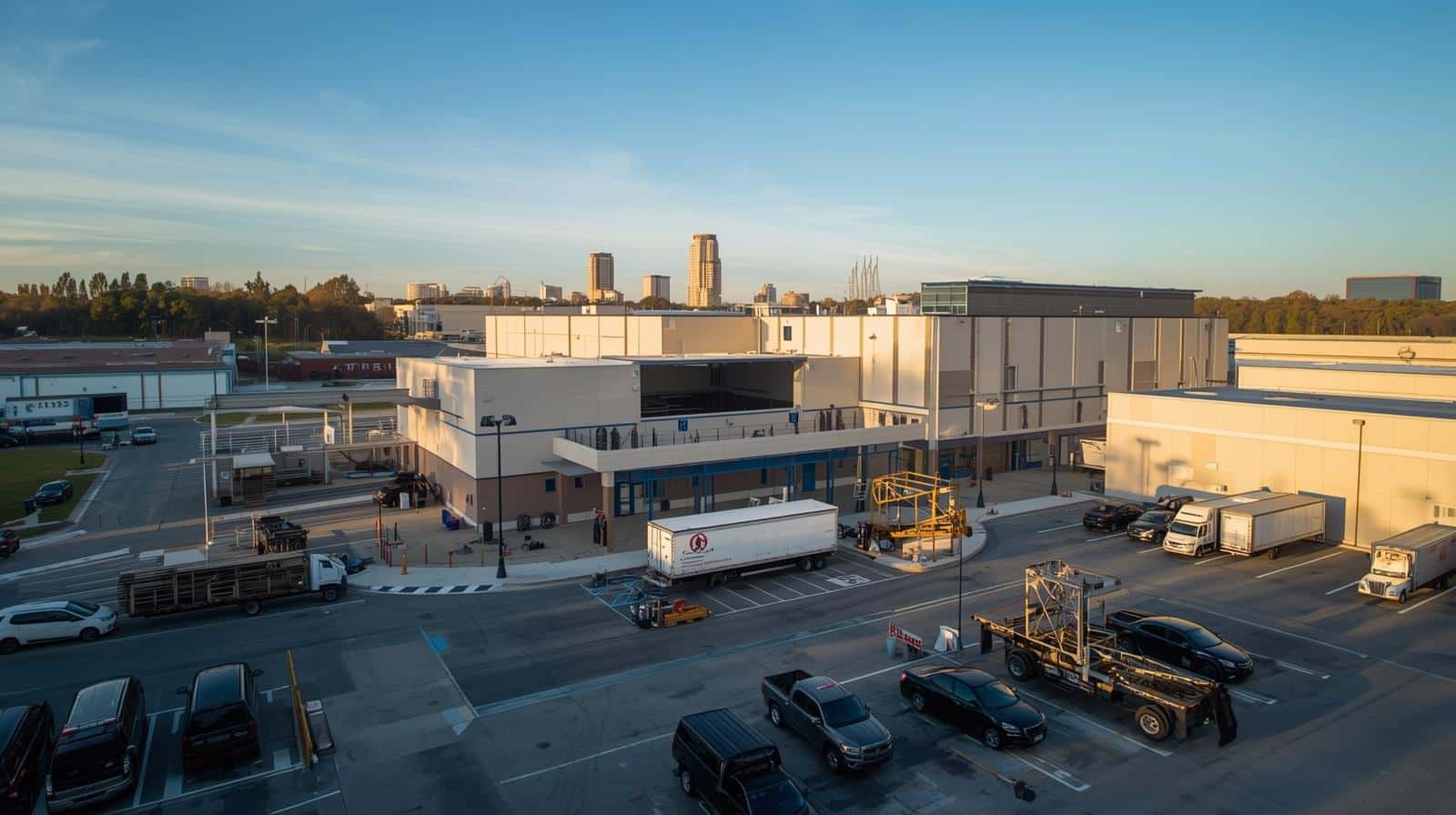



Picture of Swartz Co

Swartz Co

When to Renew vs Look for New Space

ImportedPhoto.764521524.279261

Your commercial lease expiration date approaches, and you face a decision that affects your business for years. Should you renew your lease and stay in your current location, or should you explore what else might be available in Greater Atlanta? This choice involves more factors than many business owners initially consider.

The decision to renew or relocate deserves thoughtful analysis well before your lease expires. Waiting until the last minute forces rushed choices that might not serve your best interests. Understanding what factors matter and when to start evaluating your options helps you make decisions that support your business success.

Starting the Evaluation Process Early

Most businesses should begin thinking about lease renewal or relocation at least twelve to eighteen months before their current lease expires. This timeline seems long, but it provides the breathing room you need to make good decisions without time pressure.

Starting early gives you time to understand market conditions in Greater Atlanta. What space is available? What are current rental rates for properties similar to yours? How do lease terms and concessions compare to what you negotiated years ago? Gathering this market intelligence takes time and helps you understand your options.

Your landlord benefits from your time pressure if you wait until months before expiration to start discussions. They know you cannot easily relocate on short notice, which gives them leverage to push for terms favorable to them. Beginning conversations early from a position where you genuinely have time to consider alternatives shifts negotiating dynamics.

Evaluating whether your current space still serves your business needs requires honest assessment. Space that worked fine three or five years ago might not fit your current operations or future plans. Taking time to think through what you actually need rather than defaulting to staying put helps you make better decisions.

The relocation process itself takes substantial time if you decide moving makes sense. Finding appropriate new space, negotiating lease terms, coordinating improvements, and planning the physical move all require months. Starting late means you either relocate under time pressure or renew by default because you lack time to move.

Evaluating Whether Your Current Space Still Works

Before deciding anything about renewal versus relocation, you need clear understanding of whether your existing space continues serving your business appropriately. Several factors help you assess this question.

Physical space adequacy affects whether your current location works. Do you have enough room for current operations? Can you accommodate likely growth during a renewal term? Are you paying for more space than you actually need? Understanding whether your square footage matches your requirements helps determine if staying makes sense.

Location effectiveness changes over time. Employee residential patterns shift as people move. Customer bases evolve. Traffic patterns change with new development. The area around your building might improve or decline. Evaluating whether your location still serves your business needs as well as it did when you first leased the space provides important input to your decision.

Building condition and functionality matter increasingly as properties age. The HVAC system that worked fine when you moved in might now require frequent repairs. Loading docks adequate years ago might limit your operations now. Office layouts that seemed fine initially might no longer support how your team works. Assessing whether physical limitations affect your business helps you understand if staying makes sense.

Lease economics at renewal deserve comparison to market alternatives. Will your landlord offer renewal terms competitive with what you could negotiate elsewhere? Understanding both your renewal options and market alternatives helps you evaluate whether staying provides good value or if relocating might improve your situation.

Tenant service quality from your current landlord influences satisfaction with your location. Responsive management that handles issues promptly creates positive experiences. Landlords who neglect maintenance or ignore tenant concerns make staying less appealing. Your relationship with building ownership and management should factor into renewal decisions.

Understanding Renewal Lease Options

Many commercial leases include renewal options that give you rights to extend your tenancy beyond the initial term. Understanding how these options work helps you know what you can expect from your landlord and what you might negotiate.

Option provisions in your current lease spell out renewal terms including how much notice you must provide, how many renewal periods you can exercise, and how renewal rent gets determined. Reading these provisions carefully helps you understand your rights and obligations around renewal.

Renewal rent calculations vary significantly among leases. Some determine renewal rates at fair market value, which provides little certainty about costs. Others specify fixed increases or formulas based on indices. Understanding how your renewal rent gets calculated helps you know what to expect and whether these terms work for your planning.

Notice requirements for exercising renewal options must be followed precisely. Missing notice deadlines by even a day can forfeit your renewal rights. Many leases require notice six to twelve months before expiration. Marking these deadlines clearly and providing required notice on time protects your options.

Negotiating outside option terms often works even when your lease contains renewal provisions. The option gives you a baseline, but landlords frequently negotiate different terms when you discuss renewal. Understanding your option provides a starting point but should not prevent you from seeking better arrangements.

Factors Favoring Lease Renewal

Several circumstances point toward renewing your lease in your current location rather than relocating. Understanding when staying makes sense helps you evaluate your situation.

Satisfaction with your current space and location represents the most straightforward reason to renew. If your building meets your needs, the location works well, and you have good relationships with your landlord, staying often makes sense absent compelling reasons to change.

Avoiding relocation costs and disruption provides strong motivation to renew if your space works adequately. Moving involves hard costs for movers and soft costs from business interruption during the transition. These expenses and disruptions can be significant enough that staying makes economic sense even if your space is not perfect.

Established customer or employee expectations about your location create value in staying put. Retail businesses benefit from customers who know where to find them. Professional services firms build recognition at their addresses. Employees get accustomed to commutes and surrounding amenities. Maintaining location continuity has value that favors renewal.

Market conditions sometimes favor staying over relocating. When commercial real estate markets are tight with low vacancy and rising rents, renewal terms in your current space might beat what you could negotiate elsewhere. Understanding market dynamics helps you assess whether now represents a good time to explore alternatives or to stay put.

Limited appropriate alternatives in your desired locations make renewal more attractive. If few comparable properties are available where you want to be, staying in adequate space beats relocating to less suitable alternatives. Sometimes your current location works better than available options even if it has limitations.

Negotiating favorable renewal terms from your landlord can make staying clearly preferable to relocating. If your building owner offers competitive rates, reasonable improvement allowances for refreshing space, and terms that work for your business, renewing often makes more sense than the time and cost of moving.

Factors Favoring Relocation

Other circumstances point toward exploring new space rather than automatically renewing your current lease. Understanding when moving makes sense helps you recognize these situations.

Outgrowing your current space creates obvious need to relocate. When you physically cannot fit your operations into existing square footage and cannot expand within your building, moving becomes necessary regardless of other factors.

Needing to downsize significantly also drives relocation decisions. If business changes mean you no longer need your current square footage, moving to appropriately sized space reduces occupancy costs. Trying to sublease excess space in your current location works sometimes but often proves difficult.

Location no longer serving your business well suggests considering alternatives. Employee residential patterns might have shifted enough that your location creates recruitment problems. Customers might have difficulty reaching you. The area around your building might have declined. When location issues affect your business success, exploring better situated space makes sense.

Building condition or functionality problems that your landlord will not address create motivation to relocate. If your space has limitations affecting operations and your landlord refuses to make necessary improvements, finding better maintained or more functional space elsewhere often proves worthwhile.

Unfavorable renewal terms from your current landlord point toward exploring alternatives. If proposed renewal rates significantly exceed market, if your landlord refuses reasonable improvement allowances, or if other terms seem unreasonable, shopping the market helps you understand whether better options exist.

Strategic business changes including growth into new markets, shifts in business model, or major operational changes sometimes require different real estate than you currently occupy. When your business evolves significantly, your space needs often change correspondingly.

Comparing Financial Implications

Understanding the financial aspects of renewal versus relocation requires analyzing multiple cost components for each option. This comparison helps you make decisions based on complete information rather than just initial impressions.

Renewal costs include whatever rent your landlord proposes, ongoing operating expenses that might increase, improvement costs if you want to refresh space, and opportunity costs if renewal terms are less favorable than market alternatives. Adding these components gives you total renewal expense.

Relocation costs include rent in new space, operating expenses in the new location, tenant improvements to prepare new space for occupancy, moving expenses, potential business interruption during the transition, and remaining rent obligations in your current space if you relocate before lease expiration. Understanding these costs helps you know what relocation actually involves financially.

Improvement allowances from landlords offset some relocation costs in new space but vary based on market conditions and negotiation. Understanding typical allowances in Greater Atlanta for your property type and lease term helps you budget for new space accurately.

Free rent periods that landlords sometimes offer in new space reduce effective rent costs. Several months of rent abatement can significantly improve the economics of relocating. Comparing effective rent after accounting for free periods provides more accurate cost comparison than just base rates.

Breaking your existing lease early if you relocate before expiration might involve penalties or ongoing rent obligations. Understanding what your current lease says about early termination helps you know the costs of moving before your term ends.

Calculating total cost over a comparable period for both renewal and relocation gives you apples to apples comparison. Looking at five year totals for each option helps you understand which path costs less overall when you account for all components.

Negotiating Renewal Terms Effectively

If you decide renewal makes sense, negotiating favorable terms requires preparation and understanding of your position. Several strategies help you achieve better outcomes.

Understanding market conditions and comparable rental rates gives you information to evaluate whether your landlord’s proposals are reasonable. Knowing what similar space leases for elsewhere in Greater Atlanta helps you push back on unreasonable renewal terms.

Demonstrating genuine willingness to relocate strengthens your negotiating position. Landlords take you more seriously when they believe you will actually move if renewal terms do not work. Having looked at alternatives and being prepared to discuss them shows you have options.

Starting negotiations well before lease expiration gives you time to work toward acceptable terms without time pressure forcing you to accept inadequate proposals. Rushed negotiations at the last minute typically favor landlords.

Requesting improvements to your space as part of renewal terms can refresh your environment and extend the useful life of the location. Landlords sometimes prefer providing improvement allowances to reducing rent because it maintains their base rental rates for property valuation purposes.

Negotiating longer renewal terms sometimes gets you better rates. Landlords value the certainty of extended occupancy and might offer rate concessions for longer commitments. However, you need to balance rate benefits against flexibility limitations from longer terms.

Understanding what matters most to your landlord helps you structure proposals they might accept. Some landlords prioritize long term stability. Others focus on maintaining rental rates. Knowing their priorities helps you craft arrangements that work for both parties.

Working with tenant representation brokers who negotiate commercial lease renewals regularly helps you achieve better terms than negotiating directly. Experienced professionals understand market dynamics and negotiation strategies that improve outcomes.

The Relocation Process If You Decide to Move

If your evaluation points toward relocating rather than renewing, understanding the process helps you plan appropriately and avoid problems during transition.

Space search begins with clearly defining what you need in new locations. Square footage requirements, location preferences, budget parameters, and timing all need definition before seriously evaluating properties. Having clear criteria helps you search efficiently.

Property tours allow you to evaluate how spaces would actually work for your operations. Walking properties carefully, envisioning how you would use them, and identifying any concerns helps you narrow options to spaces that genuinely fit your needs.

Lease negotiation for new space involves all the terms you discussed during your original lease including rent rates, operating expenses, improvement allowances, lease length, renewal options, and numerous other provisions. Understanding what you need and negotiating effectively requires preparation and often benefits from professional representation.

Space planning and improvements require coordination with architects, contractors, and your landlord. Commercial spaces typically need modifications to work for specific tenants. Planning these improvements, obtaining necessary approvals, and managing construction takes time and attention.

Moving coordination involves planning the physical relocation to minimize business disruption. Some businesses can move over weekends. Others need phased transitions. Thinking through how to relocate while maintaining operations prevents problems during the transition.

Working with Professionals Through the Process

Both renewal and relocation decisions benefit from professional guidance. Several types of advisors can help you navigate these choices effectively.

Tenant representation brokers help you understand market conditions, evaluate whether renewal or relocation makes more sense, negotiate with your current landlord or find new space, and coordinate the transaction process. Their market knowledge and negotiation experience typically improves outcomes.

Commercial real estate attorneys review lease documents for renewal terms or new space to ensure language protects your interests. The complexity of commercial leases justifies professional legal review.

Financial advisors or accountants help you analyze the financial implications of renewal versus relocation. Understanding tax impacts, cash flow effects, and overall economics benefits from professional financial analysis.

Space planners or architects help you evaluate whether current space can be reconfigured to meet evolving needs or assist with planning improvements in new locations. Their expertise helps you understand what is possible with different spaces.

Swartz Co Guidance for Renewal Decisions

At Swartz Co Commercial Real Estate, we help businesses throughout Greater Atlanta evaluate lease renewal versus relocation decisions. Our experience across industrial, office, retail strip, and flex properties gives us perspective to guide your analysis.

We help you assess whether your current space continues serving your business appropriately. Our objective evaluation considers your operations, growth plans, and how your location affects employees and customers.

We provide current market intelligence about available space, rental rates, and lease terms throughout Greater Atlanta. This information helps you understand your options and evaluate whether renewal proposals from your current landlord are competitive.

We represent your interests whether you choose to negotiate renewal in your current space or search for new locations. Our goal is achieving outcomes that support your business, not just completing transactions.

We coordinate the process from initial evaluation through lease execution, whether you renew or relocate. Our experience managing these situations helps keep things moving efficiently.

Contact our team to discuss your upcoming lease expiration and whether renewal or relocation makes more sense for your business. We are here to help you evaluate options and make decisions that support your success in Greater Atlanta.