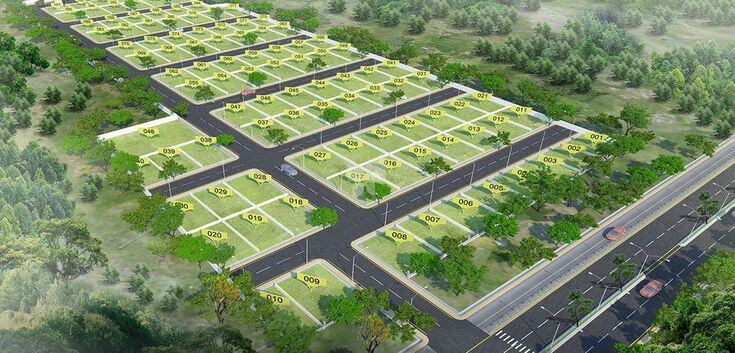

Industrial development in the Atlanta area continues to grow as companies seek distribution centers, manufacturing facilities, and warehouse space to serve the Southeast. If you are looking for land to develop industrial property in Greater Atlanta, understanding what makes a site suitable and how to find good opportunities can save you time and help you avoid costly mistakes.
The right piece of land in the right location can become a valuable industrial asset. The wrong piece, even at a good price, can create problems that eat into your returns or prevent development altogether.
Why Location Matters for Industrial Land
Not all land works well for industrial use. Location affects everything from what you can build to who will want to lease or buy the finished property. Several factors determine whether a site makes sense for industrial development.
Highway access ranks high on the list. Trucks need efficient routes to reach industrial properties. Sites near major interstates like Interstate 85, Interstate 75, or Interstate 20 typically attract more interest from industrial users. Secondary highways matter too, especially if they provide good connections without forcing trucks through residential areas or congested commercial zones.
Distance from Atlanta’s airport affects certain types of industrial users. Distribution centers and logistics operations often want proximity to Hartsfield Jackson because it gives them faster access to air freight and better service to customers nationwide. Manufacturing operations may care less about airport access and more about highway connections or rail access.
The surrounding area tells you a lot about whether a site will work. Industrial properties function best when they are near other industrial uses or in areas where neighbors will not object to truck traffic and warehouse operations. Mixed use neighborhoods or areas transitioning to residential use can create challenges for industrial development.
Utility access becomes critical for industrial sites. Three phase power, water capacity, and sewer infrastructure all matter. Some industrial users need substantial power for manufacturing equipment. Confirming utilities can serve your planned use before you buy land prevents expensive surprises later.
Understanding Zoning and Development Requirements
Zoning determines what you can build on a piece of land. Industrial zoning comes in different classifications, each allowing different uses and building configurations. Understanding the zoning before you make an offer protects you from buying land that will not work for your intended purpose.
Some industrial zoning allows heavy manufacturing. Other classifications permit only light industrial or warehouse uses. Mixed use or flex zoning might allow some industrial activity but with restrictions. Reading the actual zoning code rather than assuming what is allowed helps you understand what is possible on any specific site.
Setback requirements, building coverage limits, and height restrictions all come from zoning. These requirements affect how much building you can put on a site and where it can sit on the lot. A piece of land that looks large enough might have limitations that reduce its usable area significantly.
Wetlands, streams, and buffers can limit development even on properly zoned land. Environmental regulations protect these features, and you typically cannot build on or near them. A site survey and wetlands delineation show you exactly what restrictions apply before you commit to a purchase.
Storm water management requirements affect site development costs. Larger industrial buildings create substantial impervious surface area. Regulations require managing that runoff, which means detention ponds, underground systems, or other infrastructure. Understanding these costs helps you evaluate whether a deal makes financial sense.
Traffic studies and road improvements sometimes get required as conditions of development approval. If your project will generate significant truck traffic, local governments may require improvements to nearby roads or intersections. These costs can add substantially to project budgets and affect feasibility.
What Makes a Good Industrial Site
Beyond basic location and zoning, several characteristics make some sites better suited for industrial development than others. Recognizing these factors helps you evaluate opportunities and avoid problems.
Site topography affects development costs. Relatively flat sites cost less to develop than sloped ones. Significant grade changes mean more expensive site work, retaining walls, and grading. Rocky soil can increase excavation costs. Understanding what lies beneath the surface matters as much as what you see on top.
Site size needs to match your intended use. Small industrial users might work well on three to five acre sites. Larger distribution centers often need twenty acres or more. Understanding the building size you want and the parking, truck courts, and setbacks required helps you target appropriately sized parcels.
Shape matters more than many people realize. Oddly shaped parcels can be difficult to develop efficiently. Long narrow sites may not accommodate the building footprint you need. Irregular boundaries can create wasted space. Rectangular or square parcels typically offer the most flexibility for industrial development.
Access points determine how easily trucks can enter and exit the site. Corner lots with access from two streets provide more flexibility than mid block sites with single access. Some industrial users need separate access points for employee parking and truck traffic. Evaluating access during site selection prevents circulation problems later.
Visibility affects the property’s appeal for certain users. Some industrial tenants want high visibility from major roads for their brand presence. Others care only about functional access and prefer lower cost sites away from premium frontage. Understanding your target market helps you choose appropriately.
Different Areas Serve Different Needs
Greater Atlanta includes numerous submarkets suitable for industrial development, each with distinct characteristics. Understanding these differences helps you choose the right location for your project.
South Atlanta near the airport attracts logistics and distribution users who prioritize proximity to air freight. Competition for sites in this area stays strong because the location provides clear value to the right tenants.
The northern suburbs including areas in Gwinnett and Cherokee counties appeal to manufacturing and light industrial users. These areas offer good highway access while typically providing more available land than closer-in locations.
Eastern areas in DeKalb and Rockdale counties serve users who need Atlanta access but may have lower rent requirements or larger space needs. These locations work well for operations serving regional markets.
Western corridors provide access to Interstate 20 and serve companies with distribution routes heading west and south. Areas in this direction often offer larger available parcels suitable for major distribution centers.
Each of these markets has different pricing, available inventory, and typical user profiles. Matching your project to the right submarket affects both your acquisition cost and your ability to lease or sell the finished product.
Finding Off Market Opportunities
Many good industrial land deals never appear in public listings. Property owners sometimes sell without marketing widely, especially if they have been approached by someone with a specific interest. Finding these opportunities requires proactive work and relationships.
Driving submarkets regularly helps you identify vacant land that might work for industrial use. Even if a property is not listed, contacting the owner can start conversations about a potential sale. Some owners have been holding land without immediate plans and would sell for the right offer.
Relationships with other commercial real estate professionals can lead to opportunities. Other brokers sometimes know about land that might become available before it gets listed. Attorneys, engineers, and developers working in the market often hear about potential deals. Staying connected to these networks increases your access to opportunities.
Property owners facing foreclosure, tax issues, or estate situations sometimes need to sell land relatively quickly. These circumstances can create opportunities to acquire sites at favorable prices. Finding these situations requires consistent market activity and attention to what is happening in the area.
Older industrial facilities on large sites sometimes make more sense to redevelop than renovate. The existing building may have limited remaining life or not meet current user needs. In these cases, the land value exceeds the value of the property as is. Identifying these situations takes understanding of both land values and building conditions.
Due Diligence Protects Your Investment
Once you identify potential land, thorough due diligence before closing prevents expensive problems. Commercial land purchases need more investigation than residential real estate. Skipping steps to save time or money often costs much more than proper due diligence would have.
Title review shows you who owns the property and what encumbrances exist. Easements, rights of way, and liens all affect what you can do with land. Some easements prevent building in certain areas. Others require maintaining access for utility companies or neighboring properties.
Environmental assessments check for contamination that could affect development or create liability. Phase One environmental studies review property history and look for red flags. If concerns exist, Phase Two studies involve actual soil and groundwater testing. Contamination cleanup can cost substantial amounts and delay or prevent development.
Geotechnical investigations examine soil conditions and identify any subsurface issues. Some soils do not support heavy buildings without additional foundation work. Rock near the surface increases excavation costs. High water tables can create drainage and construction challenges. Understanding these conditions before you buy helps you budget accurately.
Boundary surveys establish exact property lines and identify any encroachments. Sometimes buildings or improvements from neighboring properties cross boundary lines. Other times the usable land area differs from what tax records indicate. Knowing exactly what you are buying prevents disputes later.
Wetlands delineation identifies protected environmental features and required buffers. These areas reduce the developable portion of your site. Understanding wetland locations early helps you determine if enough usable land remains for your intended project.
Working with Experienced Brokers
Finding and acquiring industrial land involves specialized knowledge that comes from consistent work in this market segment. Brokers who focus on industrial real estate understand what makes sites valuable and what problems to watch for.
Market knowledge helps identify submarkets where land prices align with finished project values. Some areas command rents that justify higher land costs. Others require buying land at lower prices to make projects pencil out. Understanding these relationships helps you target the right areas.
Relationships with landowners, developers, and other market participants lead to deal flow. Many industrial land transactions happen through broker networks before properties get publicly marketed. Active brokers in the industrial sector see these opportunities first.
Experience with development helps brokers understand what you need beyond just finding land. They can help evaluate whether sites work for your intended use, what challenges might affect development costs, and how finished projects will compete in their markets.
Negotiation experience matters when structuring land purchases. Terms like due diligence periods, contingencies, and closing timelines all affect risk and flexibility. Brokers who regularly work on land deals understand market customs and can help structure terms that protect your interests.
Swartz Co and Industrial Land in Atlanta
At Swartz Co Commercial Real Estate, we work with investors and developers looking for industrial land throughout Greater Atlanta. Our focus on industrial properties means we understand what makes sites work for different types of projects and users.
We stay active in submarkets throughout the region, from locations near the airport to northern suburbs and eastern corridors. This presence gives us insight into available land, upcoming opportunities, and market conditions that affect land values and development feasibility.
Our relationships throughout Atlanta’s industrial real estate community provide access to both listed properties and off market opportunities. We work with landowners, developers, other brokers, and service providers who help us identify sites that might work for our clients.
Whether you are looking for your first industrial development site or adding to an existing portfolio, we bring local market expertise and attention to the details that affect whether land deals succeed. We help evaluate opportunities, coordinate due diligence, and structure transactions that protect your interests.
Contact our team to discuss your industrial land needs in Greater Atlanta. We are here to help you find sites that work for your development goals and navigate the acquisition process from initial identification through closing.