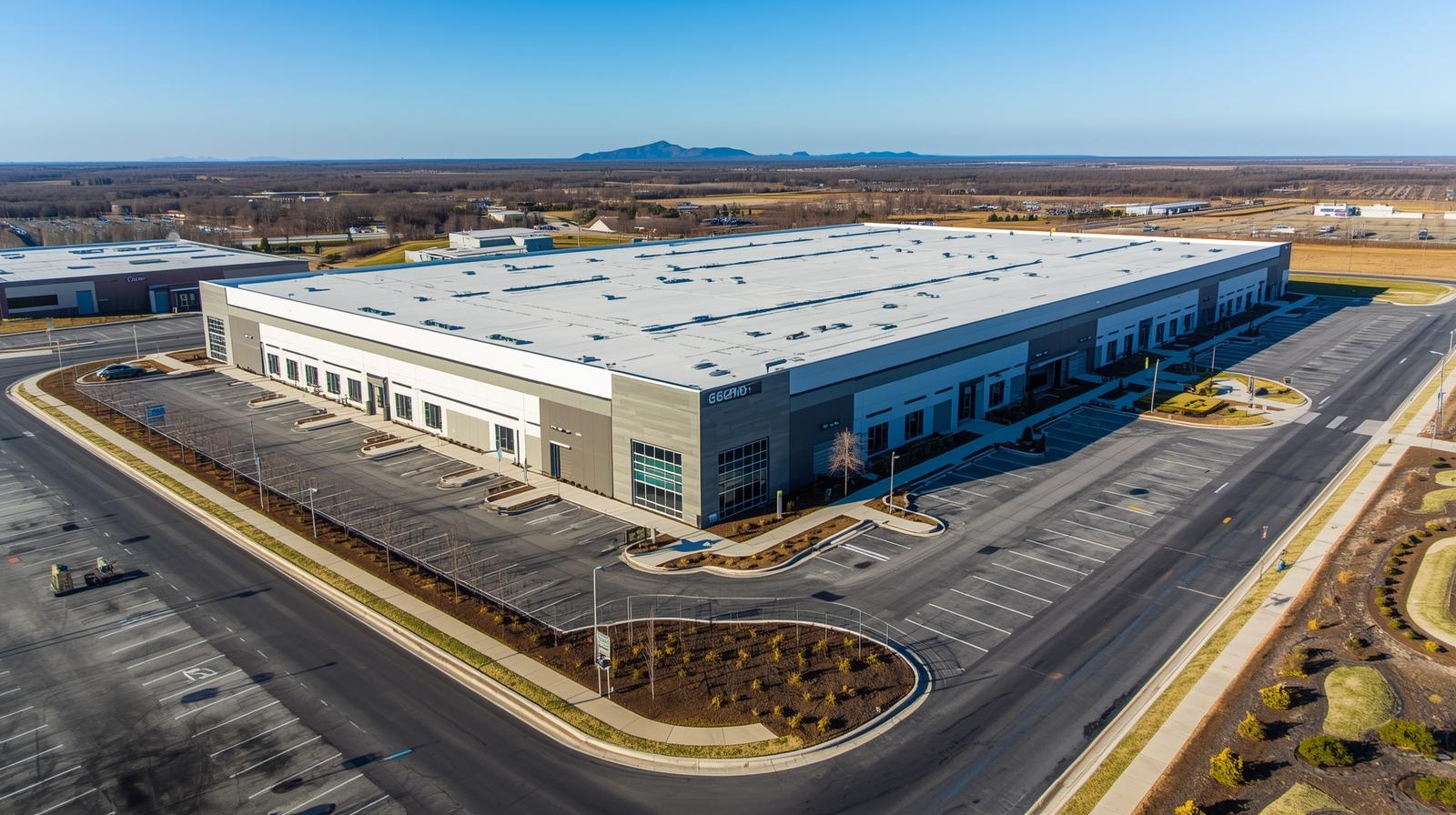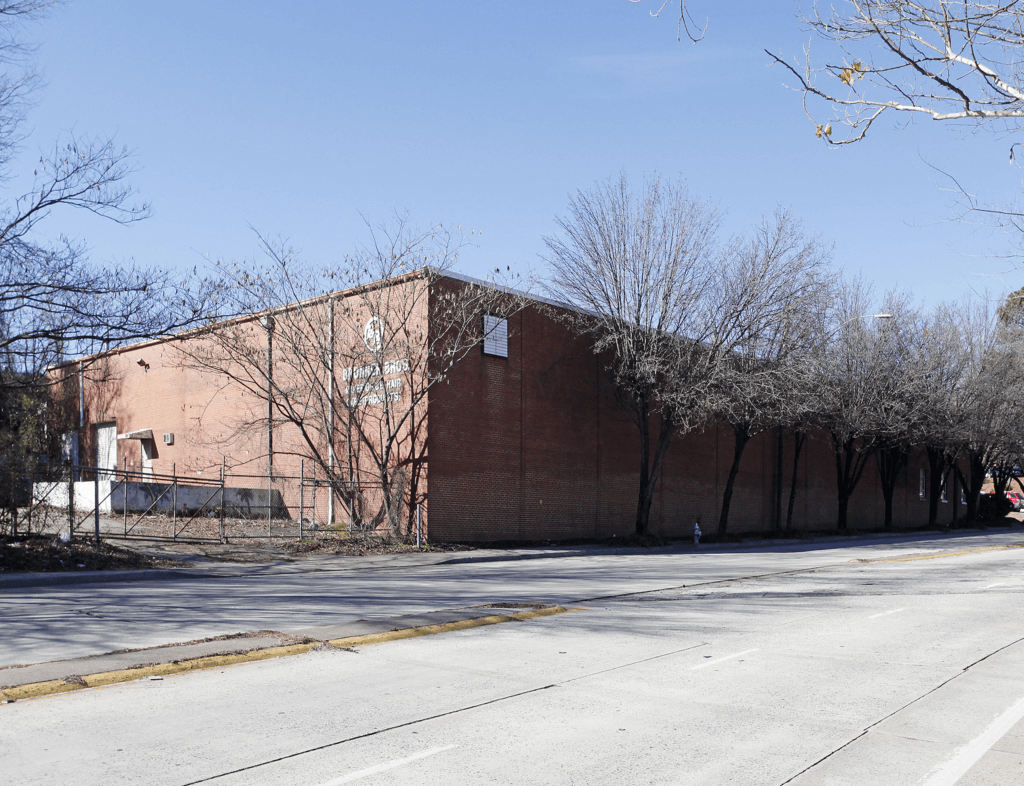


Whether you are buying your first industrial building, selling a retail strip center, or leasing office space, working with a commercial real estate broker affects the outcome. The Atlanta market moves quickly, and having someone who knows the territory makes a difference in the deals you can close and the terms you can negotiate.
Commercial real estate transactions involve more complexity than most people expect. Understanding what a broker actually does and how to choose the right one for your situation helps you make better decisions about your real estate needs.
What Commercial Real Estate Brokers Actually Do
Commercial brokers do more than just show properties or list buildings for sale. The work happens behind the scenes, in market research, relationship building, negotiation, and managing the details that make transactions close successfully.
A good broker knows the market deeply. They understand current pricing, which properties recently sold and for how much, what tenants are looking for, and where opportunities exist. This knowledge comes from being active in the market every day, not from occasionally checking listings online.
Brokers also bring relationships. They know other brokers, property owners, tenants, lenders, and service providers throughout the market. These connections often lead to opportunities that never make it to public listings. Many commercial real estate deals happen through relationships before they ever get advertised.
The negotiation piece matters more than many people realize. Terms like rent escalations, improvement allowances, renewal options, and purchase contingencies can significantly impact the economics of a deal. An experienced broker knows which terms to push for and where to compromise to keep deals moving forward.
Landlord Representation Protects Your Interests
If you own commercial property that needs leasing, landlord representation means having a broker who works for you. They market your space, find qualified tenants, and negotiate lease terms that protect your interests.
Marketing commercial space effectively requires more than posting a sign and waiting. Professional brokers create listing materials, reach out to their network, coordinate with other brokers who might have tenants, and actively promote your space to potential users. They know where to find tenants for your specific property type and location.
Screening potential tenants prevents problems down the road. A broker helps evaluate financial strength, business viability, and whether a prospect will be a good fit for your property. The wrong tenant can cost you much more than a few months of lost rent.
Lease negotiation involves balancing getting the space filled with securing terms that work for you long term. Rent rates, lease length, tenant improvement allowances, renewal options, and maintenance responsibilities all need careful consideration. A broker representing your interests helps structure deals that make sense for your goals.
Tenant Representation Puts You First
Businesses looking for space to lease need representation too. Tenant representation means working with a broker who represents your needs. This matters because the goals of tenants and landlords do not always align.
A tenant rep broker helps you understand what different spaces will actually cost when you factor in all the terms. Base rent tells only part of the story. Common Area Maintenance charges, utilities, improvement costs, and other factors affect your total occupancy expense. Having someone who can analyze these numbers objectively helps you make better decisions.
Location analysis goes beyond just picking a spot you like. Where are your employees coming from? How do customers access your business? What does the surrounding area tell potential clients about your company? A good broker helps you think through these questions and find space that supports your business goals.
Negotiating lease terms as a tenant requires understanding what is standard in the market and where you have leverage. First time commercial tenants often accept terms that more experienced negotiators would push back on. A broker who represents tenants regularly knows what to ask for and how to structure terms in your favor.
Buying and Selling Commercial Property
Acquisitions and dispositions involve different considerations than leasing. When you are ready to buy or sell commercial real estate in Atlanta, having experienced representation affects both the price you achieve and how smoothly the transaction proceeds.
Selling property starts with proper positioning. Understanding current market conditions, comparable sales, and what buyers are looking for helps price your property correctly. Overpricing means sitting on the market while buyers look at other options. Underpricing leaves money on the table. Market knowledge helps find the right balance.
Marketing to qualified buyers requires reaching the right audience. Some buyers come through public listings. Others come through broker networks and relationships. The best buyers sometimes come from proactive outreach to people who might want your specific property. A connected broker can reach all these potential buyers.
When buying commercial property, having representation helps you understand what you are actually getting. Due diligence involves reviewing leases, examining financials, inspecting the property condition, and understanding any issues that affect value. A broker helps coordinate this process and identify concerns before you commit.
Negotiation on purchases involves more than just price. Contingencies, closing timelines, lease assignments, and seller responsibilities all get negotiated. These terms can significantly affect the actual economics of the deal and your risk in the transaction.
Property Valuation and Consultation
Sometimes you need professional insight without necessarily buying or selling right away. Property valuation and consultation services help you understand what your commercial real estate is worth and what options make sense for your situation.
Accurate valuations consider multiple factors. Recent comparable sales provide a baseline, but your property’s specific characteristics, location, tenant quality, lease terms, and condition all affect value. Professional analysis gives you a realistic understanding of what your property would likely sell for in current market conditions.
Consultation goes beyond just putting a number on your property. It involves discussing your goals and what strategies might help you achieve them. Should you hold the property and refinance? Would selling now make sense given market conditions? Could improvements increase value enough to justify the cost? These questions benefit from objective professional input.
Market timing matters in commercial real estate. Understanding where the market is heading helps you make better decisions about when to act. A broker who stays active in the Atlanta market can provide perspective on trends and what they mean for your property.
Business Brokerage Serves a Different Need
Selling a business involves different considerations than selling the real estate it occupies. Business brokerage focuses on the operating company, its revenue, customer base, equipment, and goodwill. Sometimes the real estate is part of the transaction, sometimes not.
Valuing businesses requires understanding their financials, growth potential, and what buyers in that industry typically pay. Different types of businesses sell based on different metrics. A broker with business sale experience understands these factors and how to position your company to potential buyers.
Confidentiality matters more in business sales than real estate transactions. Employees, customers, and competitors do not need to know you are selling until the right time. Experienced business brokers know how to market a company while protecting sensitive information.
Finding qualified buyers for businesses often means looking beyond the local market. Someone buying a business might relocate for the right opportunity. Online businesses can operate from anywhere. National or regional companies might want to expand into the Atlanta market through acquisition. Broad reach helps find the right buyer.
Local Market Knowledge in Greater Atlanta
The Atlanta commercial real estate market includes diverse submarkets with their own characteristics. Buckhead attracts different tenants and buyers than Gwinnett County. Sandy Springs has different dynamics than DeKalb. A broker who knows these submarkets helps you make location decisions based on solid market understanding.
Growth patterns affect property values and tenant demand. Understanding which areas are developing, where businesses are expanding, and what types of properties are in demand helps identify opportunities. This knowledge comes from being active in the market consistently, not from reading news articles occasionally.
Infrastructure changes impact commercial real estate. New highway access, transit expansions, and development projects all affect property values and appeal. Local brokers stay aware of these changes and what they mean for different properties and locations.
The Value of Experience in Your Property Type
Commercial real estate includes many property types, each with unique considerations. Industrial buildings serve different users than office space. Retail strips have different value drivers than flex properties. Experience with your specific property type means understanding what matters most.
Industrial property buyers and tenants focus on loading docks, ceiling heights, truck access, and power capacity. Office space users care about parking ratios, common areas, and building systems. Retail tenants need visibility, traffic counts, and nearby complementary businesses. Flex space attracts users who need a mix of office and warehouse characteristics.
A broker experienced in your property type understands these factors and how to position your space or evaluate opportunities. They speak the language of buyers and tenants in that market segment.
Working with Swartz Co for Your Brokerage Needs
At Swartz Co Commercial Real Estate, we work with property owners, tenants, buyers, and sellers throughout the Greater Atlanta area. Our focus includes industrial, retail strip, office, and flex properties where we have deep experience and market knowledge.
Whether you need landlord representation for leasing your property, tenant representation to find the right space for your business, help buying or selling commercial real estate, consultation on property value and strategy, or business brokerage services, our team brings local market expertise and a commitment to your goals.
We believe in transparent communication, thorough market knowledge, and service that puts your interests first. Our roots in the Atlanta market and active presence throughout the region give us the connections and insights that lead to successful outcomes.
Contact our team today to discuss your commercial real estate needs in Atlanta. We are here to help you achieve your goals, whether you are leasing, buying, selling, or exploring your options.