

Picture of Swartz Co

Swartz Co

Leasing vs Buying

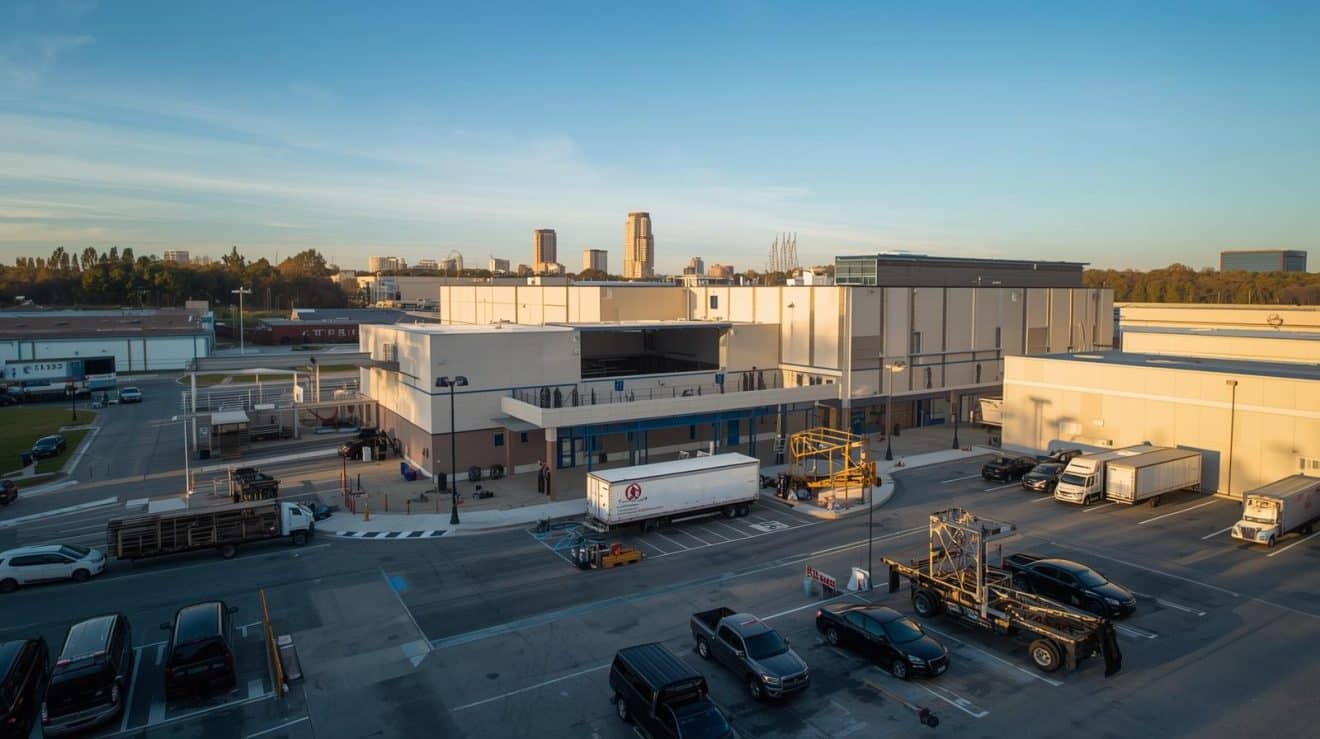
commercial building atlatna georgia

Business owners needing warehouse space, office locations, or retail storefronts face an important decision about whether to lease property or purchase buildings for their operations. Both approaches have advantages and drawbacks that affect your cash flow, flexibility, tax situation, and long term wealth building. Understanding the tradeoffs helps you make decisions aligned with your business strategy and financial capabilities.

The right answer varies by business type, growth stage, financial position, and long term objectives. A manufacturing company with stable operations might benefit from ownership while a rapidly growing technology startup could be better served by leasing. Taking time to evaluate your specific situation rather than defaulting to either approach helps you choose wisely.

When Leasing Makes More Sense

Several business circumstances point toward leasing commercial space rather than purchasing property for your operations.

Capital preservation represents one of the strongest arguments for leasing. Buying commercial real estate requires substantial down payments even with financing. That capital deployed into property purchases cannot fund inventory, equipment, marketing, hiring, or other business needs that might generate better returns than real estate ownership.

Growing businesses often need flexibility that ownership cannot provide. If your space requirements might change significantly within a few years, leasing allows you to adjust more easily than owning buildings that might not fit future needs. Selling property takes time and involves transaction costs that make frequent moves impractical.

Uncertain business conditions make ownership risky. If you cannot confidently project your business will succeed and need the space long term, committing to property ownership creates problems if circumstances change. Leasing limits your downside to remaining lease obligations rather than owning property you must sell or carry.

Market expansion plans that might involve relocating make leasing more appropriate than buying. Companies testing new markets or expecting to move operations within a few years should lease rather than purchase property they will soon abandon.

Focus on core business rather than real estate management appeals to many business owners. Property ownership involves responsibilities for maintenance, repairs, property taxes, insurance, and building management that distract from running your actual business. Leasing transfers these concerns to landlords.

Balance sheet considerations matter to some companies. Real estate ownership adds assets and typically debt to balance sheets. This affects financial ratios that lenders, investors, or partners evaluate. Some businesses prefer keeping real estate off balance sheets through leasing.

Access to premium locations that you could not afford to purchase might be achievable through leasing. Renting space in desirable areas allows you to operate from locations that would require too much capital to buy.

When Buying Makes More Sense

Other situations point toward purchasing commercial property rather than continuing to lease space for business operations.

Stable long term space needs make ownership economical when you expect occupying the same location for many years. If your business has predictable space requirements and you plan staying in one place, buying can cost less over time than paying rent indefinitely.

Equity building through ownership creates wealth beyond just operating your business. Mortgage payments build equity that belongs to you rather than paying rent that provides no ownership stake. Over decades, this equity accumulation can represent substantial wealth.

Control over your space allows you to modify buildings however operations require without seeking landlord approvals. Ownership gives you freedom to adapt space, expand, or make improvements that leased space might not permit.

Fixed occupancy costs through ownership with fixed rate mortgages provide predictability that leasing lacks. Your mortgage payment remains constant while lease rates typically increase over time. This cost stability helps with long term planning.

Rental rate protection becomes automatic with ownership. You never face rent increases or need to negotiate lease renewals. Your occupancy cost depends on your mortgage, taxes, and operating expenses rather than landlord pricing decisions.

Tax benefits from ownership including depreciation deductions and mortgage interest can reduce taxable income. These benefits might exceed the tax advantages of deducting rent payments depending on your situation.

Investment diversification through real estate ownership creates assets beyond your operating business. Some business owners view purchasing their business property as diversifying wealth into real estate while meeting operational needs.

Retirement planning can incorporate business property. Owning your building creates an asset you can sell when retiring or continue holding for rental income after you stop operating your business there.

Capital Requirements and Cash Flow Impacts

Understanding how leasing versus buying affects your cash position helps you evaluate which approach your business can afford.

Down payments for commercial property purchases typically range from twenty to thirty five percent of purchase prices. A one million dollar building requires two hundred thousand to three hundred fifty thousand dollars upfront even with financing. This capital requirement represents the primary barrier to ownership for many businesses.

Closing costs including loan fees, title insurance, surveys, inspections, and legal fees add thousands to tens of thousands of dollars beyond down payments. These transaction costs increase the capital needed to purchase property.

Monthly payments differ significantly between leasing and buying. Lease payments cover space use plus operating expenses depending on lease structure. Mortgage payments cover principal and interest on loans. The monthly amounts might be similar, but ownership payments build equity while rent does not.

Operating expenses including property taxes, insurance, maintenance, and repairs become your responsibility with ownership. Some of these costs get passed through in leases too, but ownership makes you fully responsible for all property expenses.

Capital improvements and major repairs fall entirely on property owners. Roofs, mechanical systems, parking lots, and structural components eventually need replacement. These lumpy capital expenses can strain cash flow when they occur.

Maintenance reserves that prudent owners maintain for future capital needs tie up additional capital beyond just purchase costs. Setting aside money for eventual roof replacement or system upgrades prevents crises when these needs arise.

Cash flow predictability differs between approaches. Lease payments are known and relatively stable. Ownership involves mortgage payments you can predict plus operating expenses and maintenance costs that vary year to year.

Flexibility Considerations

How much flexibility you need affects whether leasing or ownership makes more sense for your situation.

Growth accommodation works differently with each approach. Leasing allows you to move to larger space when you outgrow current locations. Ownership means either expanding your existing building if possible or selling and buying larger property, both involving more complexity than just relocating leases.

Contraction flexibility matters if your space needs might decrease. Leasing lets you downsize at lease expiration or through subletting excess space. Ownership leaves you with buildings that might be too large, requiring you to lease out portions or operate inefficiently in oversized facilities.

Location changes happen more easily when leasing. Moving to different markets, adjusting to employee residential shifts, or repositioning for customer access all work better when you lease rather than own property in specific locations.

Business model changes that affect space requirements create challenges for owners. If your operations evolve to need different types of facilities, owned property might not adapt while leasing allows you to find space matching new needs.

Exit strategies differ dramatically. Leasing obligations end at lease expiration or can be terminated through buyouts or assignments. Selling owned property involves marketing, finding buyers, and transaction processes that take time and involve costs.

Subletting or assignment options in leases provide some flexibility to exit space early. Property ownership offers no equivalent flexibility beyond selling, which takes longer and costs more than lease assignments.

Tax Implications of Each Approach

Tax treatment differs between leasing and owning commercial real estate in ways that affect your actual costs and returns.

Lease payments are fully deductible as ordinary business expenses. You deduct the entire amount you pay in rent each year, reducing taxable income. This provides straightforward tax benefit equal to your marginal tax rate times your rent expense.

Mortgage interest on property loans is deductible similar to rent. However, principal payments that build equity are not deductible. This means your actual cash outflow exceeds your tax deduction in early loan years when interest represents smaller portions of payments.

Depreciation allows property owners to deduct building values over time even though real estate often appreciates. This non cash deduction reduces taxable income beyond just mortgage interest. Depreciation continues throughout ownership providing ongoing tax benefits.

Property tax deductions apply to owners who pay taxes directly. Tenants effectively pay property taxes too through triple net leases or operating expense pass throughs, but the deduction flows differently through lease versus ownership structures.

Capital gains taxes apply when you eventually sell owned property. Appreciation gets taxed at capital gains rates when you realize gains through sales. However, 1031 exchanges allow deferring these taxes by reinvesting in other property.

Section 179 and bonus depreciation might allow accelerated deductions for certain property improvements or equipment. These provisions benefit owners more directly than tenants though the details depend on specific situations.

The actual tax impact depends on your business structure, tax rates, and specific circumstances. Working with accountants who understand both your business and real estate taxation helps you evaluate which approach provides better tax outcomes.

Balance Sheet and Financial Statement Effects

How leasing versus ownership appears on financial statements matters to some businesses depending on their situations.

Asset creation through property ownership adds buildings and land to balance sheets. These assets increase your total asset base and might strengthen your balance sheet depending on how much debt you incur for purchases.

Debt from mortgages appears as liabilities on balance sheets. The relationship between property values and mortgage balances affects your equity and leverage ratios that lenders and investors analyze.

Lease obligations now appear on balance sheets under current accounting standards. Operating leases create right of use assets and corresponding liabilities that affect financial statements even though you do not own the underlying property.

Financial ratios including debt to equity, current ratio, and return on assets all get affected by whether you lease or own real estate. Understanding how these metrics matter to your lenders, investors, or partners helps you evaluate which approach works better.

Equity preservation through leasing keeps capital available for business operations rather than tying it up in real estate. This might produce better return on equity if your business operations generate higher returns than real estate appreciation.

Net worth building through ownership creates wealth that appears on personal balance sheets for business owners. Property equity represents assets beyond your operating business that contribute to overall financial position.

Market Timing Considerations

Current conditions in Greater Atlanta commercial real estate markets affect whether buying or leasing makes more sense at particular times.

Property values that seem elevated might argue for leasing rather than buying at cycle peaks. Purchasing expensive property near market tops creates risk that values could decline. Leasing during high value periods locks in current use without capital committed to potentially declining assets.

Rental rates that appear high relative to property values might make ownership more attractive than leasing. If purchase prices seem reasonable but rents are expensive, ownership economics can look favorable compared to paying high rent.

Interest rate environments significantly impact purchase decisions. Low rates make ownership more affordable through cheap financing. High rates increase mortgage costs and might favor leasing over buying.

Cap rate relationships to interest rates affect ownership economics. When cap rates exceed mortgage rates, leverage works in your favor. When rates exceed cap rates, financing costs can make ownership less attractive than leasing.

Market availability affects your options. Tight markets with limited space for lease might push you toward buying. Markets with plenty of options give you flexibility to lease rather than feeling forced into purchases.

Industry and Business Stage Factors

Your industry and where your business stands in its lifecycle affect whether leasing or ownership makes more sense.

Startups and early stage companies typically should lease rather than buy. Limited capital, uncertain futures, and likely growth or changes make ownership risky and inflexible for new businesses. Leasing preserves capital for business development.

Mature stable businesses with predictable needs often benefit from ownership. When you know your space requirements and expect operating from the same location for decades, ownership builds wealth while meeting operational needs.

Manufacturing operations with specialized facilities might lean toward ownership. Buildings configured specifically for particular manufacturing processes do not easily adapt to other uses, making ownership of purpose built facilities more logical than leasing generic space.

Professional service firms typically lease office space rather than buying. These businesses prioritize location and quality over ownership, and their space needs often change as they grow or contract.

Retail businesses vary depending on their situations. Single location retailers might buy their buildings. Multi location chains typically lease to maintain flexibility across their portfolios.

Franchise operations usually lease to maintain consistency across locations and preserve capital for opening multiple units. Franchisors often prohibit or discourage franchisees from buying property.

Comparing Total Costs Over Time

Evaluating true costs requires analyzing both approaches over realistic time periods rather than just comparing monthly payments.

Cumulative rent payments over ten or twenty years total substantial amounts that provide no ownership stake. However, these payments avoid maintenance costs, major repairs, and property value risk that owners bear.

Cumulative ownership costs including down payments, mortgage payments, property taxes, insurance, maintenance, and capital improvements total differently than pure rent. However, ownership builds equity that has value when you sell or refinance.

Property appreciation over long holding periods can make ownership costs look better in retrospect. If buildings appreciate significantly, your total ownership cost gets offset by equity gains. However, appreciation is not guaranteed.

Maintenance and capital expenditure totals over decades can be substantial for owners. Roofs, HVAC systems, parking lots, and other building components require replacement over time. These costs belong entirely to owners while tenants avoid them or pay only through operating expense pass throughs.

Opportunity cost of capital invested in real estate versus used for business operations affects total cost calculations. Money used for down payments and improvements could potentially generate returns through business use that exceed real estate appreciation.

Break even analysis showing when ownership becomes cheaper than leasing helps you understand time horizons needed for ownership to make financial sense. The break even period might be seven to fifteen years depending on specific numbers.

Making the Decision for Your Specific Situation

Rather than following general rules, evaluate your particular circumstances to determine which approach fits your business best.

Financial capacity to purchase without straining business operations represents a threshold requirement. If buying property would compromise your ability to operate or grow your business, leasing makes more sense regardless of other factors.

Time horizon for your space needs helps determine whether ownership makes economic sense. If you expect needing the same space for fifteen to twenty years or longer, ownership often works financially. Shorter horizons favor leasing.

Business stability and predictability affect how much risk you should take with property ownership. Established businesses with stable operations can handle ownership. Companies with uncertain futures should lease.

Growth trajectory and flexibility needs depend on your specific plans. Rapidly growing businesses expecting to change space needs significantly should lease. Stable businesses benefit more from ownership.

Owner priorities between building wealth through real estate versus focusing entirely on business operations affect which approach fits better. Some business owners want real estate holdings. Others prefer simplicity of leasing.

Market conditions in Greater Atlanta affect timing. Evaluating current property values, rental rates, and interest rates helps you determine whether now represents a good time to buy or whether leasing makes more sense currently.

Working with Professionals to Evaluate Options

Making lease versus buy decisions benefits from professional guidance given the financial complexity and long term implications.

Commercial real estate brokers help you understand market conditions, available options for both leasing and buying, and current pricing for each approach. Their market knowledge provides context for your decision.

Accountants analyze tax implications, financial statement effects, and total cost comparisons between leasing and ownership. Their expertise helps you understand the numbers accurately.

Financial advisors help you evaluate how real estate ownership fits within your overall business and personal financial planning. They can model different scenarios and help you understand tradeoffs.

Lenders provide information about financing availability and terms if you consider purchasing. Understanding what financing you can obtain helps you evaluate whether ownership is feasible.

Attorneys review lease agreements or purchase contracts and help you understand legal implications of each approach. Their guidance ensures you make informed legal decisions.

Swartz Co Guidance on Leasing vs Buying

At Swartz Co Commercial Real Estate, we help businesses throughout Greater Atlanta evaluate whether to lease or purchase commercial property for their operations. Our experience across industrial, office, and retail properties gives us perspective on which approach makes sense in different situations.

We help you analyze your specific circumstances including financial capacity, growth plans, space needs, and business stability to determine which approach fits your situation better.

We provide current market intelligence about both lease rates and purchase prices for properties matching your needs. This information helps you understand the financial comparison between options.

We represent your interests whether you decide to lease space or purchase property. Our goal is helping you make decisions that support your business success rather than pushing you toward one approach or another.

We connect you with lenders, accountants, attorneys, and other professionals needed to evaluate and execute either leasing or purchasing transactions.

Contact our team to discuss whether your business should lease or buy commercial real estate in Greater Atlanta. We are here to help you analyze options and make decisions aligned with your business objectives.