
Greater Atlanta is not one market. It is a collection of submarkets strung along GA-400, I-75, I-85, I-20, and the I-285 Perimeter, and each one works differently depending on what kind of space you need. A great office address can be a poor warehouse location, and the best retail corner for one concept can be the wrong trade area for another.
We built these market guides for the people we talk to every week: business owners planning a move, companies opening a second location, contractors outgrowing a garage, medical practices looking for their next clinic, and investors trying to understand where a property fits. Each guide is organized by property type and walks through the parts of the metro where that type of space is most common, what each area is best for, and what to watch for before you tour.
You won't find rent or vacancy numbers here on purpose. Those figures move quickly and vary building by building. If you want current pricing for a specific search, our team can pull it for your exact requirements.
How to use these guides
Start with the property type, not the map. The building has to work for your operation first. Then use the guide to shortlist two or three areas that fit your people, customers, and logistics.
- Pick your property type. Office, industrial, flex, retail, and medical office each have their own guide below.
- Shortlist two or three areas. Use the "best for" and "watch for" notes in each section to narrow the field.
- Drive it at the hours that matter. Commute times, truck routes, and parking pressure look different at 8 a.m. than they do on a listing map.
- Compare total cost, not just rent. Operating expenses, build-out, parking, and moving costs often change which option wins.
The market guides
- Atlanta Office Market Guide by Submarket: Midtown, Downtown, Buckhead, Central Perimeter, North Fulton, Cumberland/Galleria, Cobb, Gwinnett, and the airport area, compared for commute, image, parking, and transit.
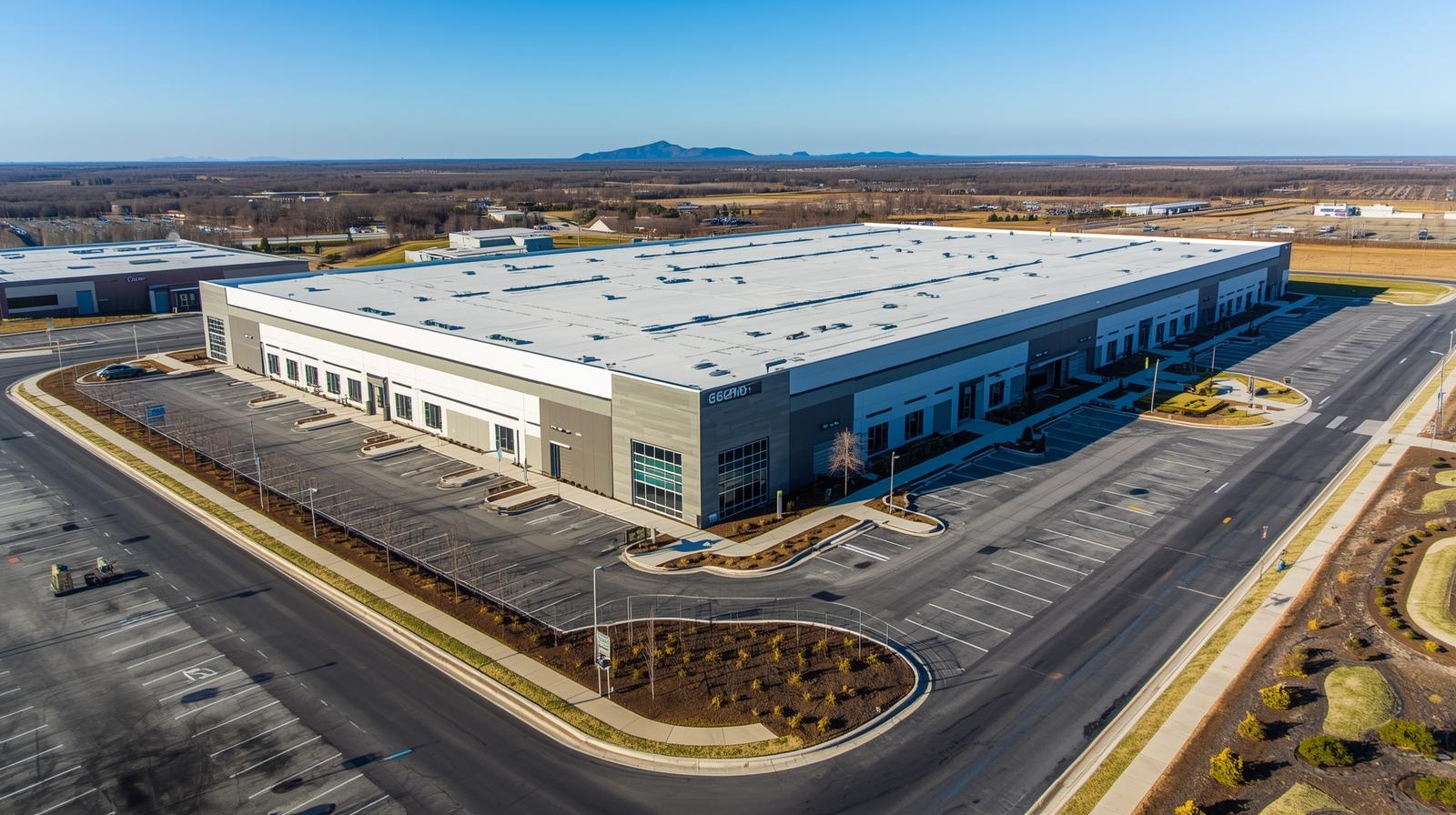
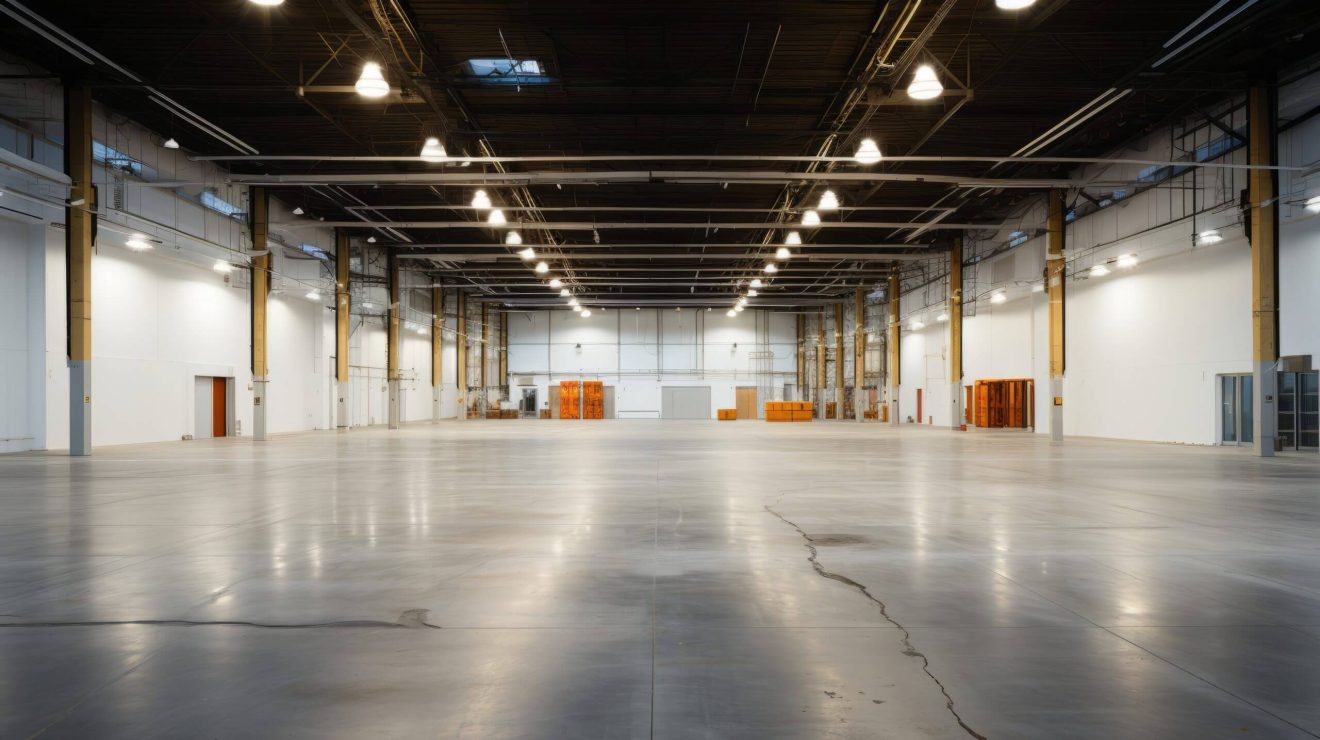
- Atlanta Industrial and Warehouse Market Guide: the I-85 Northeast, I-20 West, airport and South Fulton, I-75 South, I-75 Northwest, and I-20 East corridors, plus intown infill, with a building checklist for warehouse users and buyers.
- Atlanta Flex and Small-Bay Space Market Guide: where to find office-warehouse and small-bay industrial suites for contractors, distributors, service companies, and growing e-commerce brands.
- Atlanta Retail Space Market Guide by Area: intown and BeltLine retail, Buckhead, the Perimeter, North Fulton and Forsyth, Gwinnett, Cobb, South Metro, and East Metro, with the lease issues retailers and restaurants should check.
- Atlanta Medical Office Market Guide: medical office options organized around the region's major hospital campuses, plus the build-out and lease points that matter to providers.
Greater Atlanta at a glance
If you are new to the region, it helps to think of the metro by direction and highway. Each direction has a different mix of property types and a different workforce.
- Intown core. Downtown, Midtown, and Buckhead hold the region's densest office districts, MARTA rail access, and walkable street retail, plus a shrinking supply of older infill industrial.
- North along GA-400. Sandy Springs, Dunwoody, Brookhaven, Roswell, Alpharetta, Milton, and Cumming are known for corporate office, medical, and suburban retail, with flex space mixed in.
- Northeast along I-85. Peachtree Corners, Norcross, Duluth, Suwanee, and Buford offer one of the metro's deepest mixes of office, flex, and distribution space.
- Northwest along I-75. Cumberland/Galleria, Vinings, Smyrna, Marietta, and Kennesaw combine office districts, mixed-use development, and industrial and small-bay space.
- West along I-20. Fulton Industrial Boulevard, Austell, Lithia Springs, and Douglasville are industrial-heavy, with rail access and established warehouse districts.
- South and the airport. East Point, College Park, Union City, Fairburn, Henry County, and Fayetteville cover airport logistics, big-box distribution along I-75 South, and growing suburban retail and medical.
- East along I-20. Decatur, Lithonia, and Conyers mix neighborhood retail with industrial and distribution space heading toward Augusta.
Helpful reading before you tour
- Atlanta submarkets: where businesses should look
- CAM charges explained: what tenants really pay for
- How triple net leases work
- Leasing vs. buying commercial property
- What a tenant rep broker does and who they work for
- How to write a commercial space requirements brief
Work with Swartz Co
Swartz Co is based in Sandy Springs and works across Greater Atlanta. If you are searching for space, our tenant representation team can turn these guides into a shortlist of real buildings. If you are buying, we help with acquisitions and dispositions. If you own a property, our landlord representation team can help you position it in its submarket. You can also browse our current listings.
Call 678.973.2776 or email info@swartzcocre.com to start a search.
Disclaimer: These guides are general information about the Greater Atlanta commercial real estate market. They are not legal, tax, or investment advice. Availability, pricing, zoning, and building conditions are property-specific and change over time, so confirm the details for any site before you commit.